Best Home CNC Machine Manufacturers in China
Choosing a home cnc machine is not simply a matter of comparing prices or spindle speeds. Buyers need to assess cutting area, frame rigidity, software compatibility, noise, dust collection, and the support available after purchase. A compact machine may fit neatly on a workbench, yet still struggle with thick hardwood or long production runs. Small details matter.
Grand View Research estimated the global CNC machine market at approximately $101.22 billion in 2023 and projected continued growth through 2030. This figure covers industrial CNC equipment broadly; it does not measure the home-machine segment alone. That distinction matters. Consumer-focused machines serve different needs, from engraving signs and shaping model parts to making small furniture components. Their practical value depends on repeatable accuracy, clear setup instructions, dependable replacement parts, and honest capability claims—not headline specifications.
This guide compares leading home CNC machine manufacturers in China, with attention to machine design, product range, usability, and buyer support. It also considers where published specifications leave important questions unanswered. A report is useful, but it cannot tell you how a machine handles vibration on a real workbench. Nor can a polished product page prove that service will be responsive. The supplied material contains no verifiable quotation from a named home-CNC expert, so attributing a quote here would risk misrepresentation. Readers should confirm current specifications and support terms directly with each manufacturer before buying.
Understanding Home CNC Machines and Their Common Uses
Best Home CNC Machine Manufacturers in China
Understanding Home CNC Machines and Their Common Uses
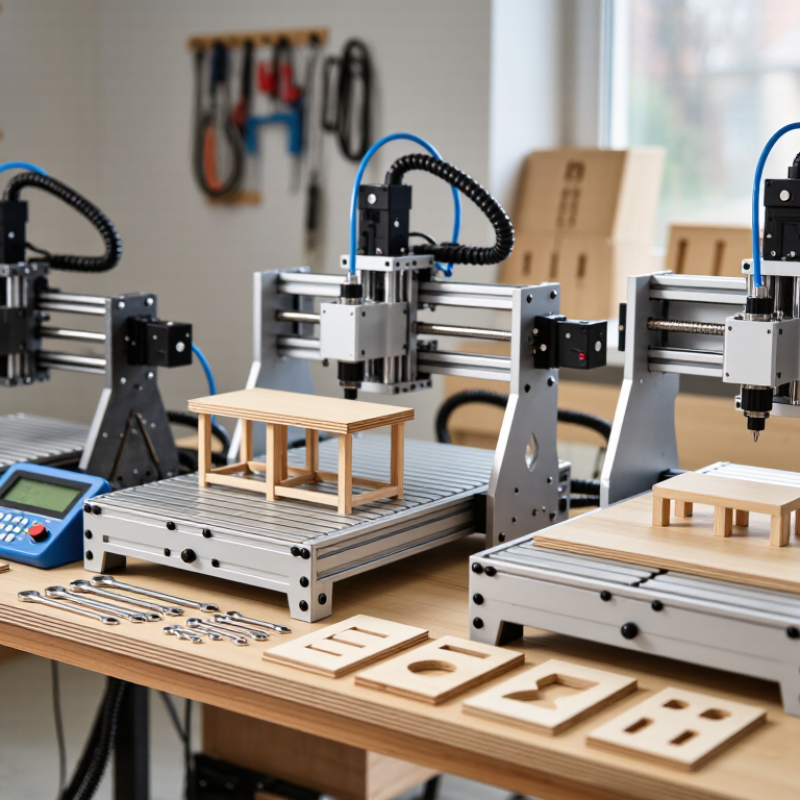
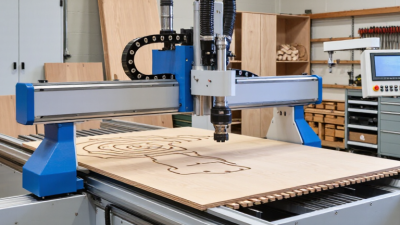
A home CNC machine uses computer-guided movement to cut, engrave, or shape material. Common desktop models include routers, mills, and small laser engravers. Each suits different work, so the machine type matters more than its size. A router can carve signs from wood, while a compact mill can produce precise parts from softer metals. Hobbyists also use CNC equipment for model components, instrument parts, and custom panels.
Before choosing a machine, check its working area, spindle power, supported materials, and software requirements. A larger cutting area is useful, but it can demand more space and create more noise. Consider where dust will go, how workpieces will be secured, and whether replacement parts are easy to source. Small cuts, real mess. Material limits deserve attention too; a machine advertised for many materials may perform best on only a few. That trade-off is easy to underestimate.
Tips: Start with a small, flat project and test settings on scrap material. Keep the work area clear, use suitable eye and hearing protection, and follow the machine’s operating instructions. Measure the finished piece, not just the design file. Results can vary with tool wear, material grain, and setup, so leave room for adjustment.
Key Criteria for Evaluating Chinese Home CNC Manufacturers
When comparing home CNC machine manufacturers in China, judge the machine, not just the product photos. Ask for a cutting demonstration using material you plan to machine, such as a small hardwood panel or aluminum plate. Watch for chatter, uneven edges, and tool marks. Request spindle runout measurements and check how the manufacturer supports those figures. A quiet video is not enough.
Review the frame, work area, controller, and dust-management setup as a complete system. Ask for a parts list, wiring diagrams, warranty terms, and typical replacement-part lead times. Clear answers matter. Check whether the supplier offers setup guidance and practical training, not only a translated manual. If possible, speak with a current home user about maintenance and noise. I may be too cautious, but a low price can hide costs in tooling, shipping, or downtime.
Tips: Ask for a test cut and inspect the finished edge closely. Confirm that the machine fits your bench, doorway, and power supply. Keep the questions in writing. No checklist is perfect, and one sample cut cannot predict years of use. Still, specific evidence is more useful than broad promises.
Leading Chinese Manufacturers of Home CNC Machines
China’s leading home CNC machine manufacturers serve makers, schools, and small workshops with compact routers and milling machines. Their strengths often include configurable work areas, clear assembly instructions, and access to replacement parts. A sturdy frame reduces vibration when cutting hardwood or aluminum, while accurate spindle alignment helps produce cleaner edges. Ask manufacturers for sample cuts and measured repeatability data, not just attractive product photos.
Product quality varies, even within similar price ranges. Check the machine’s working area, spindle power, control compatibility, and enclosure design against your actual projects. Reliable manufacturers explain material limits and provide practical setup guidance. Look for manuals with wiring diagrams, maintenance intervals, and troubleshooting steps. Small details matter. Response quality can be hard to judge from one email, so ask a specific technical question before ordering.
Tips: Request a short video of a test cut on your intended material. Confirm which components are included, how parts are packed, and what support is available after delivery. Compare written specifications carefully. One overlooked detail can mean extra setup work.
Comparing Machine Types, Specifications, and Price Ranges
Home CNC machines differ more by frame stiffness and cutting area than by headline spindle power. A compact 3018-style engraver typically offers about 300 × 180 mm of travel and suits wood, plastics, and light engraving. Typical prices are roughly US$200–600. Small routers with 600 × 400 mm beds often cost US$1,000–3,500, while benchtop mills may range from US$2,000–8,000. These are indicative retail ranges, not fixed quotes; shipping, tooling, and enclosure costs can change the final bill.
For aluminum work, check spindle runout, machine rigidity, and the manufacturer’s stated cutting limits. A powerful spindle on a flexible frame can still produce chatter and rough edges. Four-axis models add rotary work, but the extra axis needs setup time and clearance. That detail matters. Before comparing prices, ask whether the quoted machine includes a controller, dust collection, probing, or usable CAM software. Listings do not always make this clear.
The broader market offers context, but not a direct home-machine price guide. Grand View Research valued the global CNC machine market at US$83.99 billion in 2023 and projected a 6.3% compound annual growth rate through 2030. Its report covers industrial equipment, so applying that growth figure to desktop machines would be misleading. For a home workshop, compare working area, repeatability, support, and spare-part access. I would also budget for cutters and test stock; those small costs are easy to underestimate.
How to Select and Purchase a Home CNC Machine from China
Best Home CNC Machine Manufacturers in China
Define the work first. List the materials, maximum workpiece size, and typical cutting depth. A machine for engraving plywood may not handle aluminum reliably. Compare spindle power, frame rigidity, working area, and stated positioning accuracy. Ask how accuracy is measured; figures without test conditions are hard to compare.
Request a detailed quotation from each manufacturer. It should specify the machine configuration, included tools, controller, packaging, shipping terms, and warranty coverage. Ask for a live video showing the exact model cutting a material similar to yours. Watch for vibration, uneven edges, and clearances around moving parts. A polished demonstration is useful, but it is not proof of long-term performance.
Before paying, confirm power requirements, software compatibility, installation guidance, spare-parts availability, and response times for technical support. Ask for manuals and a packing list, then clarify how shipping damage or missing components are handled. Compare the full delivered cost, not just the machine price. A cheaper quote can become expensive. I would still leave room for uncertainty: remote checks cannot reveal every assembly issue, so request written specifications and keep a record of agreed details.
Best Home CNC Machine Manufacturers in China - How to Select and Purchase a Home CNC Machine from China
Use this comparison as a practical starting point when evaluating home CNC machines made in China. Specifications below are general category-level examples, not guarantees for any particular machine. Confirm the exact configuration, performance, and included accessories with the seller before ordering.
| Machine Type | Typical Home-Use Specification | Suitable Work | What to Verify with the Supplier | Purchase Considerations |
|---|---|---|---|---|
| Machine comparison | ||||
| Compact CNC router | Common work areas range from about 300 × 180 mm to 600 × 400 mm; many home models use a 3-axis setup and a spindle in the approximate 0.5–2.2 kW range. | Engraving and cutting wood, plastics, circuit-board materials, and other relatively soft stock. Cutting aluminum is dependent on machine rigidity, tooling, workholding, and cutting parameters. | Ask for usable X, Y, and Z travel, spindle type and speed range, frame construction, collet standard, and a demonstration using material similar to your intended work. | Check the machine footprint, Z clearance, dust collection needs, enclosure options, and whether the controller and software suit your operating system and experience level. |
| Benchtop CNC mill | Typically has a smaller work envelope than a router; travel varies substantially by design. Look for a metal frame, a suitable spindle, and documented axis travel rather than relying on the machine’s external dimensions. | Precision work in materials such as aluminum and plastics; some rigid machines can handle light steel machining with appropriate tooling and conservative cutting conditions. | Request measured repeatability or positioning specifications, spindle runout information, axis-drive details, and a sample cut or inspection report where available. | Allow for a sturdy bench, chip control, workholding, and potentially coolant or lubrication. Confirm whether these items are included or sold separately. |
| Small 4-axis CNC machine | Usually adds a rotary axis to a 3-axis machine. Rotary-axis size, chuck capacity, center height, and supported workpiece length vary by configuration. | Rotary engraving and machining of parts that need access around multiple sides, such as small cylindrical or sculpted components. | Confirm whether the rotary axis is included, how it is driven, which controller supports it, and whether the quoted software and post-processor include 4-axis functions. | Check that the extra axis does not reduce usable work area more than expected. Request a clear list of included wiring, cables, tailstock, chuck, and setup instructions. |
| Desktop CNC engraving machine | Often has a compact work area and a lower-power spindle than a full-size router. Exact travel, spindle power, and frame construction differ widely. | Small signs, nameplates, light engraving, and shallow cuts in suitable materials. | Ask for the actual cutting area, supported tool sizes, workholding method, noise information, and sample results at the engraving depth you need. | Consider it for small, light-duty jobs rather than assuming it can replace a larger router or mill. Check whether protective covers and emergency-stop controls are supplied. |
| Selection and ordering checklist | ||||
| Accuracy and rigidity | There is no single accuracy figure that applies to all home CNC machines. Published positioning accuracy, repeatability, and achievable part tolerance describe different things. | Important for fitting parts, repeated jobs, and work requiring consistent dimensions. | Request the supplier’s definitions and test method for each stated figure. Ask for a test cut, measurement results, or a video showing the machine working under load. | Compare like-for-like specifications and treat unsupported claims as unverified. Machine setup, tool condition, material, and cutting strategy also affect finished-part accuracy. |
| Controller and software | Check the controller model, supported file formats, compatible CAM software, and whether the machine uses a computer connection or standalone controller. | Determines how designs are converted into toolpaths and how easily jobs can be run and repeated. | Ask for manuals, software requirements, sample post-processors, supported operating systems, and details of any license fees or restrictions. | Confirm that you can create or obtain compatible G-code and that the supplier provides setup guidance in a language you can use. |
| Electrical compatibility | Input voltage, frequency, current, plug type, and grounding requirements depend on the machine and destination country. | Essential for safe installation and reliable operation. | Provide your destination country and ask for the exact machine and spindle electrical ratings, wiring diagram, and any required transformer or electrical changes. | Do not assume that a plug adapter makes an incompatible electrical supply safe. Have installation requirements checked by a qualified person where necessary. |
| Included equipment | Quotes may differ in their inclusion of spindle, controller, collets, tool kit, clamps, dust shoe, enclosure, rotary axis, and software. | These items affect how quickly the machine can be installed and used for the intended work. | Request a written, itemized packing list and photographs of the exact configuration being quoted. | Compare the complete usable setup cost, not only the machine price. Confirm which consumables and accessories are optional. |
| Shipping and import | Freight method, packed dimensions, gross weight, delivery terms, import duties, and taxes depend on the order and destination. | Relevant to total landed cost and delivery planning. | Request packed dimensions and weight, a freight quotation, dispatch estimate, tracking details, and the precise delivery terms in writing. | Check local customs and tax requirements independently. Clarify who handles export documents, customs clearance, and delivery to your address. |
| Warranty and support | Warranty coverage, duration, exclusions, and service arrangements vary by seller and product. | Important for troubleshooting, replacement parts, and downtime after delivery. | Ask which components are covered, how claims are handled, who pays shipping, and whether manuals, wiring diagrams, and spare parts are available. | Keep the written warranty, invoice, configuration list, and commissioning records. Confirm support contact methods and expected response arrangements before payment. |
| Payment and inspection | Payment methods, inspection options, and order protections depend on the sales channel and transaction terms. | Helps reduce misunderstandings about specification, condition, and delivery. | Confirm the seller’s legal and payment details, final specification, lead time, packing method, and acceptance process in the purchase documents. | Use a traceable payment method and keep all order communications. Consider a pre-shipment inspection for a higher-value order. |
Practical tip: Before placing an order, send the supplier a short written list of your materials, maximum workpiece size, required tolerances, available power supply, and destination country. Ask them to confirm a complete machine configuration against those requirements.
English
Česká republika
Deutsch
Dutch
Polska