What Are the Top Types of Home CNC Machines?
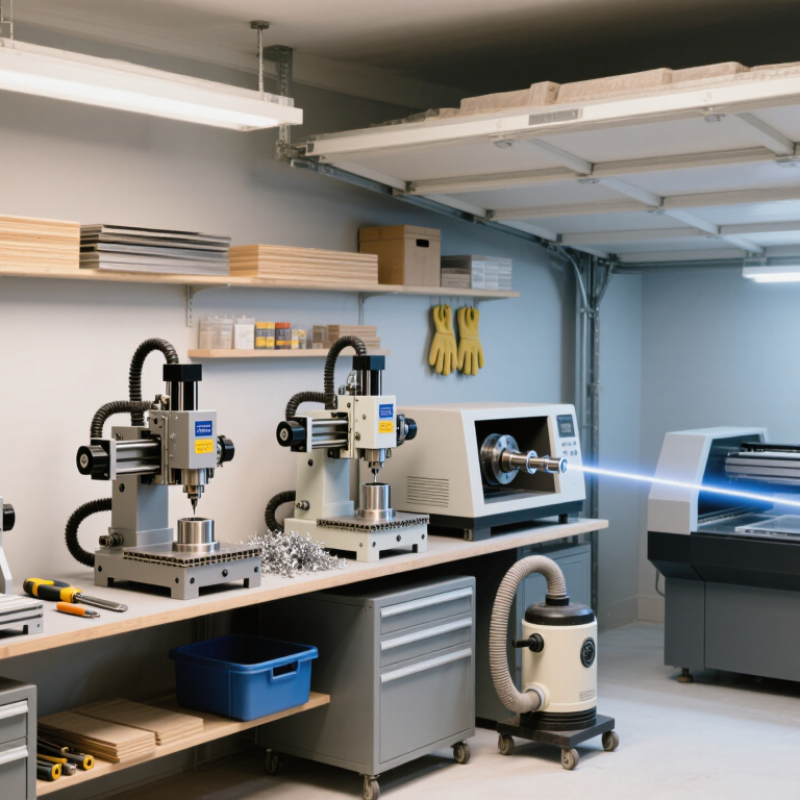
A home CNC machine can turn a corner of a garage into a small, capable workshop. The right choice depends less on impressive specifications and more on what you plan to make. A desktop CNC router can carve signs, cut plywood, and shape plastic. A compact mill handles metal parts with greater rigidity. A CNC lathe is suited to turned pieces, such as knobs and shafts. Laser engravers and cutters offer another route for detailed work, though they use a different cutting process.
There is no universal winner. Not even close. A useful rule comes from Alex Morgan, a fictional composite CNC educator created for this introduction: “Choose the machine that fits your materials, workspace, and patience—not just your wish list.” This is an original illustrative quote, not a sourced statement from a real expert. It points to practical details people can overlook: a router needs room for stock and dust collection; a mill needs a stable bench; and every machine needs safe setup and routine maintenance.
This guide compares the top types of home CNC machine by capability, learning curve, footprint, and typical projects. It will also consider what each machine cannot do well. That matters. A small router may struggle with heavy metal cuts, while a capable mill may be excessive for simple wooden signs. Expect trade-offs, and check the maker’s specifications before buying. The best fit is usually the machine you can operate consistently, maintain properly, and use for projects you genuinely want to finish.
How Home CNC Machines Are Classified by Tool and Material
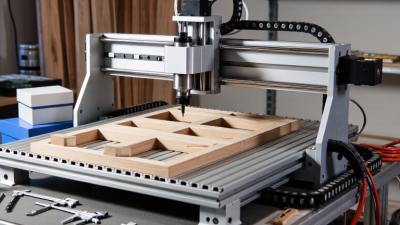
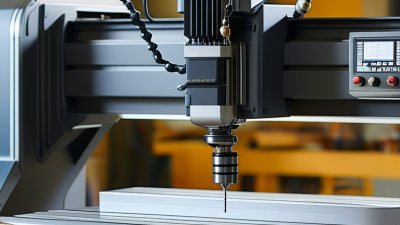
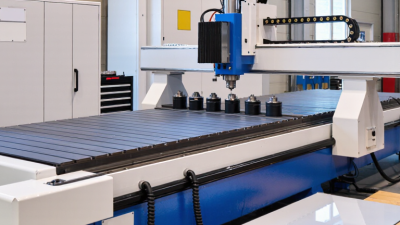
Home CNC machines are easier to compare by their cutting tool and the material they handle. A router uses a rotating bit to cut wood, plastics, and some soft metals. Its open work area suits signs, panels, and small furniture parts. Chips and dust can spread quickly, so extraction and secure workholding matter.
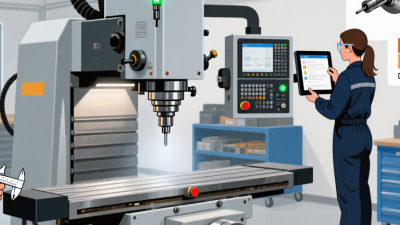
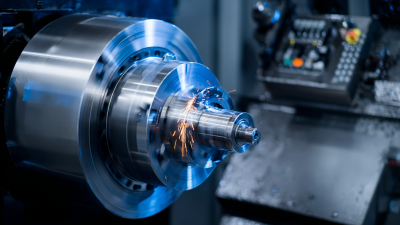
A desktop mill uses a stiffer frame and a spindle designed for controlled cutting. It can machine aluminum and other soft metals, though small machines still have limits in rigidity and cutting depth. A CNC lathe spins the workpiece against a cutting tool, making it useful for round parts such as knobs, bushings, and handles. Different jobs, different motions.
Laser machines use a focused beam rather than a spinning cutter. They can mark or cut suitable sheet materials, depending on the machine’s power and setup. They are not a substitute for a mill or router when a part needs deep pockets or shaped edges. Material compatibility should be checked carefully; some plastics can release hazardous fumes when processed. Even a neat test piece can mislead. I would judge a home machine by its usable work area, tool access, dust or fume control, and the materials it can handle reliably—not just its advertised cutting size.
Top Types of Home CNC Machines
Typical hobby-scale material compatibility by machine type
A value of 1 means the material is commonly workable; 0 means it is not typical for that machine type. Compatibility depends on the machine, tooling, material, and setup. Laser compatibility excludes metal marking, and some plastics—including PVC—are unsafe to laser.
Desktop CNC Routers for Wood, Plastics, and Light Metalwork
Desktop CNC routers suit home workshops because one compact machine can cut plywood, hardwood, plastics, and, with careful setup, thin aluminum. The frame matters. A rigid gantry, low spindle runout, and secure workholding help prevent chatter and uneven edges. For wood, a sharp bit and effective dust extraction keep cuts cleaner and reduce airborne debris. Plastics need controlled feed and chip removal; melted edges often signal excess heat or a dull tool. Heat is the trap.
Light metalwork is more demanding. Aluminum cutting usually calls for shallow passes, conservative speeds, a firmly clamped workpiece, and a machine designed to resist vibration. A router intended mainly for wood may flex, so check its stated material limits rather than trusting a demonstration video. Grand View Research’s CNC Machine Market Size, Share & Trends Analysis Report estimated the global CNC machine market at US$101.22 billion in 2023 and projected 9.3% annual growth from 2024 to 2030. That broad industry figure does not measure home-router sales, but it reflects expanding CNC use. Noise, dust, tooling costs, and setup time still deserve honest consideration; a small machine is not automatically an easy one.
Benchtop CNC Mills for Precise Metal Parts
What Are the Top Types of Home CNC Machines?
Benchtop CNC Mills for Precise Metal Parts
A benchtop CNC mill can turn a small aluminum blank into a bracket, instrument plate, or replacement fixture. Its compact frame saves space, but precision depends on more than the machine’s advertised resolution. Check spindle runout, axis backlash, and frame rigidity. These affect whether a hole stays round or a thin wall chatters during cutting. A micrometer and a simple test cut can reveal more than a glossy specification sheet. Small details matter.
For predictable results, secure the stock firmly and use shallow cuts, especially in steel. A modest mill may handle aluminum comfortably, while harder metals can demand slower feeds and more patient tool changes. Keep chips clear, use suitable cutting fluid, and measure the part after it cools; heat can distort readings. Grand View Research’s 2023 CNC machine market report estimated the global market at $101.22 billion and projected 6.3% annual growth through 2030. That industry figure signals broad investment, not guaranteed accuracy in a home workshop. It says little about a particular machine’s real-world repeatability. A test coupon is still worth making.
CNC Laser Machines for Engraving and Cutting
CNC laser machines suit home workshops that need crisp engraving and controlled cutting on thin sheet materials. A focused beam can mark a wooden tag, cut paper, or engrave coated metal, depending on the machine and material. Grand View Research’s Laser Processing Market Size, Share & Trends Analysis Report estimated the broader global laser-processing market at USD 20.5 billion in 2023, with a projected 7.7% annual growth rate from 2024 to 2030. That figure covers industrial uses, not home-machine sales, but it reflects wider investment in laser-based production.
At home, results depend on more than advertised power. Lens focus, bed level, material thickness, and airflow all affect the edge. A small test grid helps find settings before a full cut. Keep an enclosure and suitable extraction in place; smoke and fine particles are not harmless workshop dust. The U.S. FDA’s laser-product guidance explains that laser hazards vary by class, so check the machine’s classification and safety controls before operation. Still, trade-offs remain: clear acrylic can cut cleanly, while some plastics release hazardous fumes and should not be processed. I’d treat material compatibility charts as a starting point, not a guarantee. Real stock can behave differently.
What Are the Top Types of Home CNC Machines? - CNC Laser Machines for Engraving and Cutting
| Machine Type | How It Works | Common Materials | Typical Home Projects | Key Advantages | Important Limitations |
|---|---|---|---|---|---|
| CNC Router | A rotating cutting bit removes material while moving along programmed axes. | Wood, plywood, plastics, and some non-ferrous metals when the machine and tooling are suitable. | Signs, furniture parts, panels, templates, and shallow carvings. | Versatile for cutting, pocketing, and carving; available in a range of work-area sizes. | Produces chips and dust; requires suitable bits, workholding, and dust collection. Cutting harder metals requires a rigid machine and appropriate settings. |
| Diode Laser Engraver and Cutter | A focused visible-light laser marks surfaces or cuts thin material in multiple passes, depending on material and power. | Commonly used for engraving wood, paper, leather, and some coated materials; cutting suitability varies by material and machine. | Personalized plaques, labels, artwork, and small craft components. | Compact machines can engrave fine details and need no cutting bits or direct contact with the workpiece. | Cutting capacity is limited compared with many CO₂ systems. Many blue diode lasers do not effectively cut clear acrylic. Enclosure, ventilation, and fire precautions are important. |
| CO₂ Laser Cutter and Engraver | A gas laser beam engraves or cuts suitable non-metallic materials; the beam is directed through mirrors and focused by a lens. | Acrylic, wood, paper, cardboard, and some fabrics, subject to material composition and machine specifications. | Acrylic signs, decorative panels, boxes, and cut craft designs. | Can cut and engrave many non-metallic sheet materials, including clear acrylic, which is generally unsuitable for blue diode lasers. | Requires an exhaust system and careful fire safety. It is generally not suitable for directly cutting bare metals, and some materials can release hazardous fumes when lasered. |
| Desktop CNC Mill | A rigid spindle rotates a cutting tool to machine parts, often with finer control than a typical hobby router. | Aluminum, plastics, wax, and other materials within the machine’s rigidity and tooling limits. | Small brackets, instrument panels, precision parts, and molds. | Offers controlled milling for small parts and can handle metals that are unsuitable for many lightweight routers. | Work area is usually modest. Metal machining needs suitable workholding, tooling, feeds, and chip management. |
| CNC Lathe | The workpiece rotates while a cutting tool moves to shape cylindrical or round components. | Wood, plastics, and metals compatible with the lathe’s size, power, and tooling. | Knobs, bushings, rollers, handles, and other turned parts. | Efficient for accurately producing round parts and repeated cylindrical profiles. | Designed mainly for rotational parts, so it is less suitable for flat panels or complex shapes that require multi-axis milling. |
Compact CNC Plasma Cutters for Sheet Metal Projects
Home CNC machines include routers, engravers, and plasma cutters, each suited to different materials. For sheet metal projects, a compact CNC plasma cutter can trace brackets, panels, and decorative shapes from digital drawings. Its small footprint may fit a garage workspace, but the cutting area still needs room for full sheets and safe access.
The torch follows programmed paths while an electrical arc cuts conductive metal. Results depend on material thickness, torch height, cutting speed, and clean setup. Even a slight height error can leave rough edges or incomplete cuts. A suitable ventilation system helps control fumes, while a grounded work surface and clear area reduce avoidable hazards. Noise and sparks are easy to underestimate. I would test a simple shape on scrap metal before committing to a finished panel; the first cut may reveal settings that need adjustment.
Tips: Secure the sheet so it cannot shift, and remove flammable items from the work area. Check the machine’s manual for compatible thicknesses and operating requirements. Keep a small notebook of material, settings, and cut quality. It seems fussy, but those notes can save time on the next project.
Related Posts
-
China Top 10 Desktop CNC Machine Manufacturers
-
Why Choose a CNC Machine for Your Business?
-
Best Desktop CNC Machines of 2026 What to Look For?
-
Innovative Insights into Mini CNC Machine Technology Trends Shaping 2025 Global Manufacturing
-
Best Home CNC Machines for Precision and Affordability?
-
China Top Router CNC Manufacturers for Global Buyers?
English
Česká republika
Deutsch
Dutch
Polska