2026 How to Choose a CNC Wood Cutting Machine?
Choosing a cnc wood cutting machine in 2026 means matching real production needs to measurable machine performance. Cabinet shops, furniture makers, and custom studios face different demands. A router that handles plywood nesting well may not suit thick hardwood, frequent tool changes, or detailed carving. The right choice depends on material, part size, daily workload, available floor space, and operator experience—not just spindle power or purchase price.
Industry reports offer useful context, but their scope matters. Grand View Research’s CNC Machine Market Size, Share & Trends Analysis Report estimated the global CNC machine market at about $101.2 billion in 2023, with continued growth forecast through 2030. This covers many industries, not wood equipment alone. The International Federation of Robotics’ World Robotics 2024 report recorded 4.28 million industrial robots operating worldwide in 2023. That figure reflects broader automation, not woodworking machines specifically. Numbers need context.
For a practical comparison, check the working area against a full sheet, inspect the spindle and controller specifications, and ask about dust extraction, software, training, and local service. Request a sample cut using your actual material. Look closely at edge quality, repeatability, and setup time. A bigger machine is not automatically a better one. A low purchase price can also hide costs in tooling, maintenance, or downtime. Still, no report can predict how a machine will fit your own shop. Test the cut. Then compare total ownership cost, safety features, and support before deciding.
Identify Your Woodworking Needs and Material Types
Before comparing spindle power or bed size, list the parts you actually plan to cut. Cabinet doors, narrow trim, and carved signs place very different demands on a machine. Note each part’s dimensions, thickness, quantity, and required edge finish. Be specific. Also record whether you will process solid lumber, plywood, MDF, or a mix; these materials cut and hold their shape differently.
Material choice affects setup. FAO’s 2023 forest-products statistics report global wood-based panel production of about 399 million cubic metres, reflecting how widely panels are used. The USDA Forest Products Laboratory’s Wood Handbook: Wood as an Engineering Material (2021) places the fiber saturation point of wood near 30% moisture content. Below that point, changes in moisture can cause dimensional movement. A machine selected for stable sheet goods may not be ideal for rough, moisture-variable lumber. Dust extraction and suitable tooling matter, too.
Match the machine to your most demanding regular job, not an optimistic future project. Check the usable cutting area against a full sheet or your longest board, and leave room for clamps and safe loading. A sensible plan still has a weak spot: moisture can vary between boards in the same batch. Test your actual material before committing to production settings. One sample is not enough.
2026 How to Choose a CNC Wood Cutting Machine? — Identify Your Woodworking Needs and Material Types
Wood density affects cutting load and tool selection, so consider the species you process alongside the size and complexity of your projects. These are representative approximate densities at about 12% moisture content; actual values vary by species, growing conditions, and moisture. Density alone does not determine which CNC machine is suitable.
Compare CNC Machine Designs, Sizes, and Working Areas
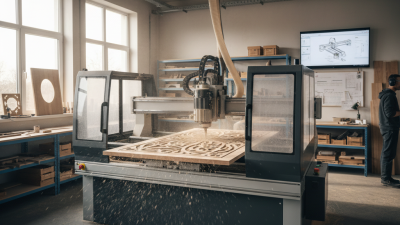
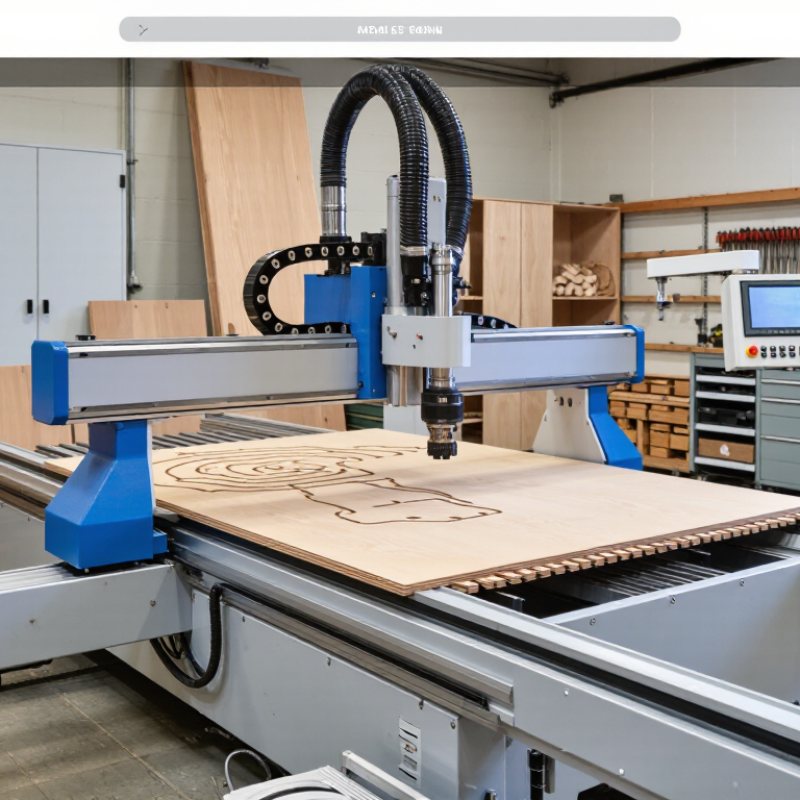
A CNC wood cutting machine should fit both your parts and your shop. Gantry designs keep the workpiece still while the cutting head moves across it. Moving-table designs carry the material beneath a more fixed head, which can suit compact setups. Each layout has trade-offs. A wide bed may handle cabinet panels, but it also needs clear floor space and room to load sheets. Measure doorways, access paths, and the space around the machine before choosing.
Compare the stated working area with the usable cutting area. Clamps, tool reach, and safe edge margins can reduce the space available for a project. For example, a nominal 4-by-8-foot bed may not comfortably cut a full sheet once hold-downs are positioned. Smaller machines can handle signs, drawer fronts, and narrow boards, while larger formats suit full panels. Rigidity matters too; a flexible frame can affect cut quality, especially during deep or fast passes. Bigger is not always better. I would question any choice based only on bed size.
Tips: Measure your largest regular workpiece, then allow room for clamps and loading. Check the machine’s footprint against your actual shop layout. Ask how the usable area is measured, and confirm it with a dimensioned drawing before purchase. Do not guess.
Check Safety Features, Installation, and Ongoing Costs
A CNC wood cutting machine should fit the workshop, not just the project list. Check for an enclosed cutting area, emergency-stop buttons, and guards around moving parts. Dust collection matters too: fine wood dust can quickly cloud a small room. Ask how the machine handles power loss and what routine safety checks the operator must perform. A clear manual and accessible service support are useful signs of a well-documented machine. That detail matters.
Installation can take more time than the delivery crew suggests. Measure doorways, ceiling clearance, and the route to the final position before ordering. Confirm floor strength, electrical requirements, ventilation, and space for material loading. A level, stable base helps maintain cutting accuracy. Plan for training and setup, since an incorrectly aligned machine may waste stock. I would leave extra room around the table; workshops tend to fill up faster than expected.
Tips:
Compare the full running cost, not only the purchase price. Include tooling, blades, filters, dust collection, electricity, maintenance, and possible downtime. Ask for a written installation scope and a realistic service schedule. Keep a small reserve for replacement parts. It may feel overly cautious, but skipped maintenance can become expensive.
Match Machine Specifications to Your Budget and Growth Plans
When choosing a CNC wood cutting machine, match its working capacity to the jobs you can actually sell. Grand View Research valued the global CNC machine market at US$101.22 billion in 2023 and projected 5.5% annual growth through 2030. That market covers more than woodworking. The numbers are imperfect, but they signal continued investment in CNC equipment.
Start with your largest regular panel, not a rare oversized job. Check the machine’s usable work area, spindle power, tool-changing options, and compatibility with your design software. A small shop making cabinet doors may benefit more from a reliable vacuum table and dust extraction than from a high-speed spindle. Those details affect daily setup time and finish quality. Measure twice.
Set a total budget that includes tooling, installation, training, maintenance, and downtime. A low purchase price can hide costs in extra setup or outsourced finishing. If demand grows, ask whether the controller can support additional axes, a tool changer, or longer shifts. Leave room for growth, but avoid paying for capacity you cannot use. Track actual cycle times and material waste for several weeks; estimates often look better on paper.
 English
 Česká republika
 Deutsch
 Dutch
 Polska