 English
  Česká republika
 Deutsch
 Dutch
Dutch Polska


China Top 10 Desktop CNC Machine Manufacturers
A desktop CNC machine can turn a small workshop bench into a capable space for cutting, engraving, and prototyping. But choosing a manufacturer takes more than comparing advertised spindle speeds. Frame rigidity, usable work area, software support, dust control, and access to replacement parts all affect daily results. A compact machine may handle signs or circuit-board work well, yet struggle with thick hardwood or long production runs. Small details matter.
This guide introduces ten desktop CNC machine manufacturers and the differences buyers should examine before making a shortlist. It considers practical factors such as machine construction, setup requirements, compatible materials, customer support, and the availability of clear documentation. Where specifications vary by model or configuration, readers should confirm them directly with the manufacturer. A neat product page is not a workshop test. Nor does a high price guarantee the right fit.
There is no single best choice for every user. A hobbyist making small wooden parts may value a simple setup, while a design studio may need repeatable accuracy and a larger cutting area. Rankings can shift as product lines and service quality change, so treat this overview as a starting point, not a final verdict. Compare stated specifications with real project needs, and leave room for a little skepticism.
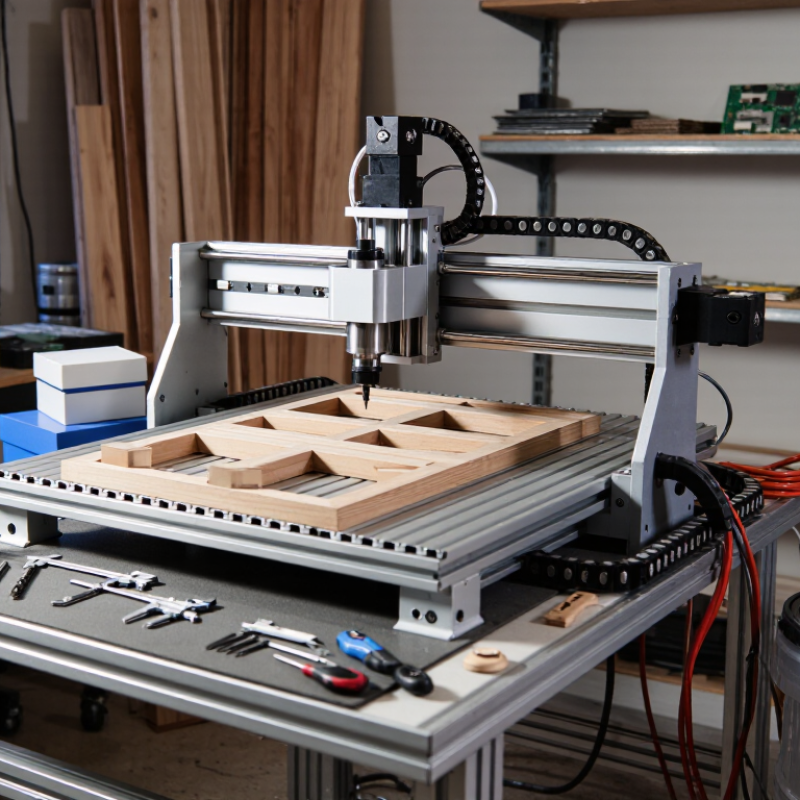
Understanding Desktop CNC Machines and Their Role in Manufacturing
Desktop CNC machines bring computer-guided cutting into compact workshops, laboratories, and small production cells. A spindle follows programmed paths to shape wood, plastics, and some nonferrous metals, depending on the machine’s rigidity and tooling. Their value is not simply their smaller size. They help teams prototype brackets, panels, and fixtures without outsourcing every revision. A stable setup can also support short production runs, though accuracy depends on calibration, workholding, and tool condition.
In manufacturing, these machines can bridge design and production. An engineer can test a fit, adjust a CAD model, and cut a revised part the same day. That short feedback loop is useful for jigs, product samples, and training. Still, desktop machines have limits: compact work areas, modest cutting force, and vibration can affect finish or dimensions. A toolpath may look precise on screen, yet a loose clamp can spoil the cut. That detail is easy to overlook.
Tips: Check the usable work area, spindle capability, and supported materials before selecting a machine. Secure stock firmly, use sharp tools, and measure the first cut with calipers. Maintain dust collection and guarding. Record cutting settings and tool changes to make repeat jobs more consistent. Inspect the finished part, not just the toolpath.
China Top 10 Desktop CNC Machine Manufacturers - Understanding Desktop CNC Machines and Their Role in Manufacturing
Manufacturer-neutral overview: The table compares ten common desktop and benchtop CNC machine categories, not individual manufacturers or ranked companies. Work-area and spindle-power figures are indicative ranges; specifications vary by machine design and configuration.
| Machine Category | Typical Work Area | Common Configuration | Typical Spindle Range | Suitable Materials | Common Manufacturing Uses |
|---|---|---|---|---|---|
| Compact engraving CNC | Approximately 100 × 100 to 300 × 180 mm | 3-axis; compact gantry or frame | About 100–500 W | Wood, plastics, soft metals, engraving stock | Small signs, labels, shallow engraving, prototype parts |
| Desktop PCB milling machine | Approximately 100 × 100 to 300 × 200 mm | 3-axis; fine-motion control | About 100–500 W | Copper-clad board, plastics, wax, light-duty materials | Prototype circuit boards, drilling, isolation routing |
| Small desktop router | Approximately 300 × 180 to 600 × 400 mm | 3-axis; moving gantry or moving table | About 300–1,500 W | Wood, acrylic, plastics, foam, and light aluminum work | Prototyping, panels, small fixtures, model components |
| Benchtop CNC router | Approximately 600 × 400 to 900 × 600 mm | 3-axis; rigid benchtop frame | About 800 W–2.2 kW | Wood, plastics, composites, and light aluminum work | Signmaking, enclosures, furniture components, short-run parts |
| Desktop CNC mill | Approximately 150 × 100 to 400 × 250 mm | 3-axis; compact milling structure | About 500 W–2.2 kW | Aluminum, brass, plastics, and other machinable metals | Precision prototypes, small metal components, toolmaking |
| Desktop CNC lathe | Typical swing of about 80–150 mm; work length about 150–400 mm | 2-axis turning; optional powered tooling | About 200–1,000 W | Aluminum, brass, plastics, and suitable steel stock | Shafts, bushings, knobs, pins, and turned prototypes |
| Rotary-axis desktop router | Linear travel commonly about 300–600 mm; rotary capacity depends on setup | 3-axis with a 4th-axis rotary attachment | About 300 W–1.5 kW | Wood, plastics, wax, and light-duty nonferrous materials | Engraved cylinders, rounded components, and indexed machining |
| Desktop CNC with automatic tool changing | Approximately 300 × 200 to 600 × 400 mm | Usually 3-axis; automatic tool-change spindle | About 1–2.2 kW | Wood, plastics, composites, and light aluminum work | Multi-operation parts, repeat jobs, reduced manual tool changes |
| Enclosed desktop CNC machine | Approximately 200 × 150 to 600 × 400 mm | 3-axis; enclosed work area and chip containment | About 300 W–2.2 kW | Material range depends on spindle, tooling, and machine rigidity | Education, workshops, prototype production, cleaner indoor operation |
| Desktop CNC for education and training | Approximately 200 × 150 to 600 × 400 mm | Typically 3-axis; emphasis on accessible setup and operation | About 100 W–1.5 kW | Foam, wax, wood, plastics, and selected light-duty metals | CAD/CAM instruction, skills training, classroom demonstrations |
Related Posts
-
Discovering Quality Suppliers for the Best Mini CNC Machine in a Competitive Market
-
Innovative Insights into Mini CNC Machine Technology Trends Shaping 2025 Global Manufacturing
-
Excellence in Manufacturing from China Bringing the Best Mini CNC Machines to the World
-

2025 Top 5 Small CNC Machines for Metal: Discover the Best Precision Tools for Metalworking
-
Why Desktop CNC Machines Are Essential for Modern DIY Projects
-
How to Choose the Best Wood CNC Machine for Your Business?