How to Choose the Best Wood CNC Machine for Your Needs?
In today's woodworking industry, the demand for precise and efficient tools is surging. The use of a wood CNC machine has revolutionized how craftsmen and manufacturers operate. According to a recent market report, the global CNC machine market is expected to reach $100 billion by 2025, with wood CNC machines playing a pivotal role in this growth.
Selecting the right wood CNC machine can significantly impact your productivity and creativity. Factors such as size, power, and software compatibility should guide your decision. Experts recommend evaluating your specific project requirements and production scale before investing. Some machines excel in intricate designs, while others may suit larger, bulk production better.
Understanding the features and technologies of wood CNC machines is vital. However, many buyers overlook essential aspects. For instance, software integration can make or break your workflow. Ultimately, reflecting on your unique needs and industry standards can lead to a more informed purchase.
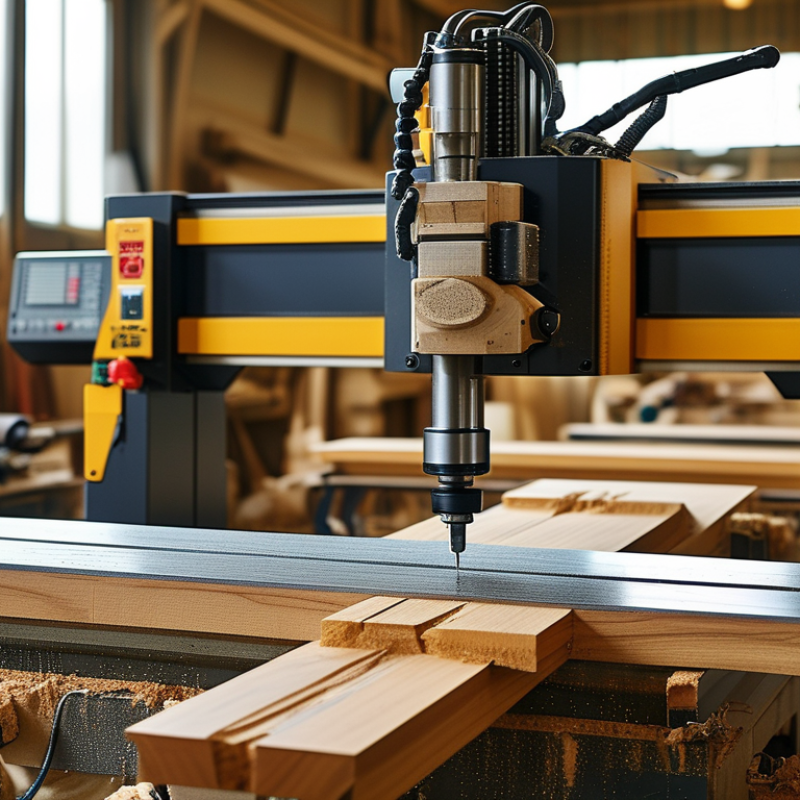
Understanding Different Types of Wood CNC Machines Available on the Market
When exploring the world of wood CNC machines, it's crucial to understand the various types available. Each type caters to different needs and projects.
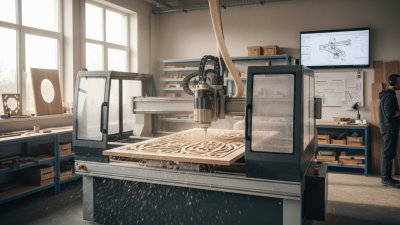
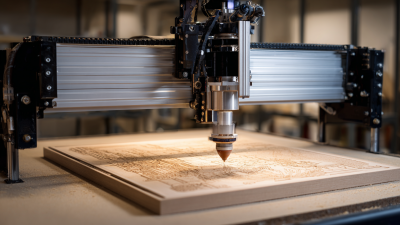
Router-based CNC machines are popular for their versatility. They can cut intricate designs in different types of wood. These machines typically have a spindle operating at high speeds, allowing for smooth finishes and detailed work.
Laser engravers represent another category. They excel in engraving high-precision designs on wood surfaces. The laser's focused beam can achieve fine details that routers sometimes struggle with. However, they can be more expensive and limited to specific tasks. It's important to consider your project's requirements when choosing between these options.
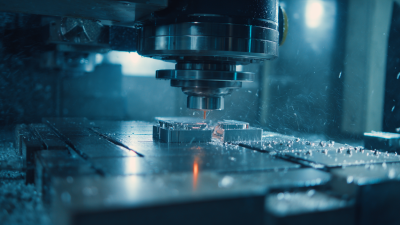
Another option is the CNC mill. This is ideal for creating three-dimensional shapes. It uses various tooling to carve deeper into the wood. While CNC mills offer great precision, they have a steep learning curve. Users may need to invest time in mastering the software and operating the machine properly. Each machine type has its strengths and weaknesses. Thus, assessing your woodworking projects can significantly influence your decision.
Key Features to Consider When Selecting a Wood CNC Machine
When selecting a wood CNC machine, several key features significantly influence your choice. One important aspect is the machine's cutting area. Consider the maximum size of projects you plan to undertake. A larger cutting area allows for more complex designs, but also requires more space.
Another critical feature is the spindle power. Higher spindle power enables faster cutting speeds and can handle different wood types effectively. It's worth noting that a trade-off exists between speed and precision. Machines with high power might sacrifice detail for speed, which is a concern for intricate designs.
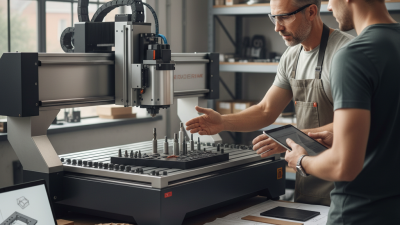
Additionally, the software compatibility is crucial. A user-friendly interface can simplify the design process. However, not all machines support the same software. Investigating software options and compatibility can save time in the long run. Thorough research is required here; every detail matters. The right machine should align with your specific needs, which may require trial and error.
Key Features to Consider When Selecting a Wood CNC Machine
Assessing Your Project Requirements and Material Compatibility
When choosing a wood CNC machine, project requirements are critical. Understand the types of wood you will use. Hardwoods, softwoods, and composites have different machining needs. For instance, softwoods typically cut easier and faster than hardwoods. Know your material’s grain, density, and moisture content to avoid issues during machining.
Tips: Always test your machine settings on scrap material first. This can save you time and resources. Evaluate your design complexity too. Intricate designs may need a CNC with higher precision and detailed cutting capabilities.
Considering the scale of your projects is important as well. Will you produce small items or large furniture? Each project size requires different machine specifications. Furthermore, think about future projects. A versatile machine can accommodate varied tasks, which is beneficial in the long run.
Tips: Keep your budget in mind. Don’t overspend on features you may not need. Prioritize quality over flashy extras to ensure reliability. Regularly review your machine’s performance and limitations to align with your growing needs.
How to Choose the Best Wood CNC Machine for Your Needs?
| CNC Machine Type |
Material Compatibility |
Max Cutting Area (mm) |
Spindle Power (W) |
Software Compatibility |
Price Range (USD) |
| Entry-Level CNC |
Plywood, MDF |
600 x 600 |
500 |
Mach3, Avid CNC |
$1,000 - $3,000 |
| Mid-Range CNC |
Hardwood, Softwood |
1200 x 1200 |
1500 |
Fusion 360, Vectric |
$3,000 - $7,000 |
| High-End CNC |
Solid Wood, Composite |
2400 x 1200 |
3000 |
Solidworks, MasterCAM |
$10,000 - $30,000 |
Evaluating Budget and Investment Factors for Wood CNC Machines
When evaluating budget and investment factors for wood CNC machines, it's crucial to consider both initial and ongoing costs. A comprehensive report by the Association of Woodworking & Furnishings Suppliers indicates that entry-level CNC machines typically range from $3,000 to $10,000. However, premium models can exceed $100,000. This vast pricing landscape necessitates careful evaluation of your specific needs and financial capabilities.
Operating expenses are often overlooked. Maintenance, software updates, and additional tooling can add significant costs over time. A study shows that businesses should allocate an annual budget of 10-15% of the initial investment for maintenance. This figure can vary depending on machine usage and complexity. Understanding these costs enables better long-term planning.
Most woodworkers lack a detailed understanding of these factors. Many focus solely on purchase price without considering the total cost of ownership. An effective strategy involves calculating breakeven points and potential productivity gains over time. This approach ensures that investments align with business growth and operational demands while remaining within budgetary constraints.
Researching Brand Reputation and Customer Reviews for Your Selection
When selecting a wood CNC machine, examining brand reputation is crucial. A reliable brand often indicates quality and durability. It’s not just about the features; the machine's longevity matters. A well-regarded brand typically listens to user feedback, ensuring continuous improvement. Look for companies known for their commitment to customer support, as this can save you from potential headaches later.
Customer reviews offer invaluable insights into real-world experiences. They reveal the strengths and weaknesses of specific machines. Positive reviews often highlight ease of use and precision. However, not all feedback is glowing. Some users might express frustrations about technical issues or poor after-sale services. Pay attention to these details—they can help refine your decision. Seeking out reviews across various forums and platforms can provide a balanced view.
Understanding customer experiences fosters a more informed choice. Reach out to users if possible. Ask about their challenges and successes. This engagement can unveil aspects not covered in reviews. Delving into the nuances of feedback allows for a critical evaluation. The pursuit of the right CNC machine isn't just about the specs; it's about ensuring it fits your needs and expectations.
 English
  Česká republika
 Deutsch
 Dutch
Dutch Polska