 English
 Česká republika
 Deutsch
 Dutch
 Polska



Why Choose Wooden Window Frames?
Wooden Window Frames bring warmth, character, and practical performance to a home. Their natural grain adds visible depth, whether viewed from the street or beside a painted interior wall. Wood can also be shaped, repaired, and refinished, giving homeowners options when finishes fade or small areas become damaged. But quality depends on the timber, construction, installation, and ongoing care. No frame is maintenance-free.
Architectural writer John Ruskin captured the value of lasting craftsmanship in The Seven Lamps of Architecture: “When we build, let us think that we build for ever.” That idea suits Wooden Window Frames, provided durability is more than a promise. Well-made frames, protected from persistent moisture and checked regularly, can remain serviceable for many years. A small crack in old paint or a worn seal deserves attention; neglect can turn minor upkeep into a larger repair.
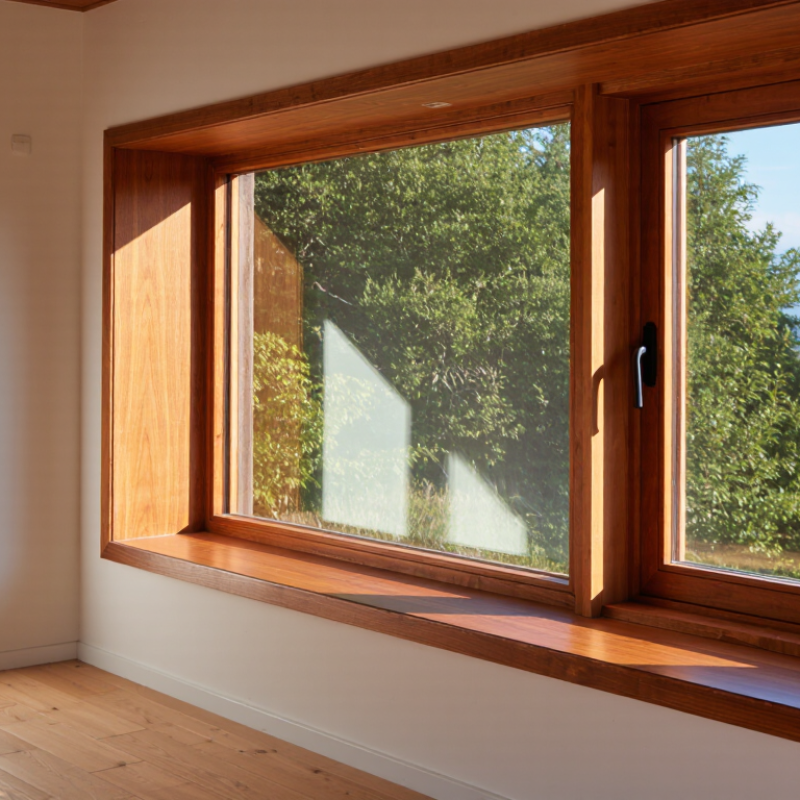
Wood also asks for honest consideration. It may need periodic painting or staining, and exposure, ventilation, and local weather affect its performance. The right choice is not simply the most attractive sample in a showroom. Look closely at corner joints, surface finish, glazing details, and the installer’s workmanship. A warm timber sill feels inviting beneath a window. It also needs care. With realistic expectations, wooden frames can offer lasting beauty, repairability, and a more personal connection to a home’s materials.
What Wooden Window Frames Are and How They Are Made
Wooden window frames are built-up components, not simply boards cut to fit an opening. Makers select suitable timber, dry it, then machine rails, stiles, and glazing grooves to precise profiles. The parts are joined at the corners, often with mechanical joints and adhesive, before glass, seals, and protective finishes are added. Some frames use laminated sections to reduce warping. Others use solid timber. The choice affects appearance and upkeep.
Moisture control is central to the process. The USDA Forest Products Laboratory’s Wood Handbook (FPL-GTR-282) reports that wood’s equilibrium moisture content is about 12% at 70°F and 65% relative humidity; it also places the fiber saturation point for many species near 30%. These figures help explain why timber is dried and conditioned before machining: wood can change size as it gains or loses moisture. A tight joint today may loosen later. Not every workshop gets this perfectly right. Inspecting the end grain, corner joints, and finish can reveal gaps or uneven coating before installation. The finished frame still needs sensible care, especially where rain reaches exposed edges.
| Topic | Details | Practical Consideration |
|---|---|---|
| What a wooden frame is | A window frame made primarily from timber. It holds the glazing and sash and connects the window assembly to the building opening. | Frame design, glazing, seals, and installation all affect the window’s overall performance. |
| Common timber choices | Softwoods such as pine and spruce, and hardwoods such as oak and meranti, are used for window components. | Species differ in appearance, workability, durability, availability, and cost. Suitability depends on design and exposure. |
| Selecting the wood | Timber is selected and graded for factors such as strength, defects, moisture condition, and intended use. | Appropriately dried, stable timber helps reduce the risk of excessive movement after manufacture. |
| Preparing components | Timber is cut to size, planed, and machined to form the frame sections, rebates, joints, and profiles required by the design. | Accurate machining helps components fit together and provides the required locations for glazing and seals. |
| Joining the frame | Frame members are assembled using suitable joinery, adhesives, or mechanical fixings, depending on the construction method. | Strong, square joints help the frame retain its shape and support smooth sash operation. |
| Engineered timber | Some frames use laminated timber made by bonding multiple wood sections together, often with the grain arranged to improve dimensional stability. | The performance of engineered components depends on their materials, bonding, design, and manufacturing quality. |
| Surface protection | Before glazing or installation, surfaces may be sanded and coated with paint, stain, or another finish suitable for exterior exposure. | Coatings need inspection and periodic maintenance; exposed or damaged areas may require attention sooner. |
| Glazing and sealing | Glass is fitted into the frame or sash and secured using the system’s glazing method. Weather seals are added where specified. | The type of glass, seals, and installation details influence insulation, noise reduction, and resistance to air and water entry. |
| Why choose timber | Wood offers a natural appearance, can be shaped for different designs, and can generally be repaired, sanded, or refinished. | Timber is a natural material, so it requires suitable protection and ongoing care, particularly where exposed to weather. |
| Care and maintenance | Keep frames clean, check coatings and seals, and address cracks, peeling finish, or water damage promptly. | Maintenance frequency varies with climate, exposure, finish, and the condition of the window. |