Why Choose a Car Elevator Platform for Global Projects?
Why choose a Car Elevator Platform for global projects? Urban land is becoming increasingly valuable. The World Bank reports that 56% of the world’s population already lives in cities. By 2050, nearly seven in ten people may live in urban areas. Meanwhile, the IEA’s Global EV Outlook 2025 recorded more than 17 million electric car sales worldwide in 2024. More vehicles require smarter space management, not simply larger parking lots.
A Car Elevator Platform can move vehicles vertically between floors, basements, showrooms, and compact residential sites. It can reduce driving ramps, preserve usable floor area, and simplify access on constrained plots. Parking scholar Donald Shoup offers a useful principle: “Parking is a land use, not a transportation mode.” That idea matters when every square meter carries a financial and operational cost.
Real projects demand more than attractive renderings. Engineers must examine vehicle dimensions, rated load, platform size, pit depth, cycle time, drainage, ventilation, and emergency lowering systems. Local building requirements also vary widely. A platform designed for a European apartment block may not suit a logistics hub in Southeast Asia. Small details matter.
The choice is not automatic.
A reliable supplier should provide tested components, traceable maintenance records, installation training, and responsive technical support. Industry experience shows that poor coordination can delay handover, even when the equipment itself performs well. Therefore, project teams should compare lifecycle cost, energy use, service access, and user safety before selecting a Car Elevator Platform. It is not a magic solution. Used thoughtfully, however, it can turn vertical space into practical parking capacity.
What Is a Car Elevator Platform?
Why Choose a Car Elevator Platform for Global Projects?
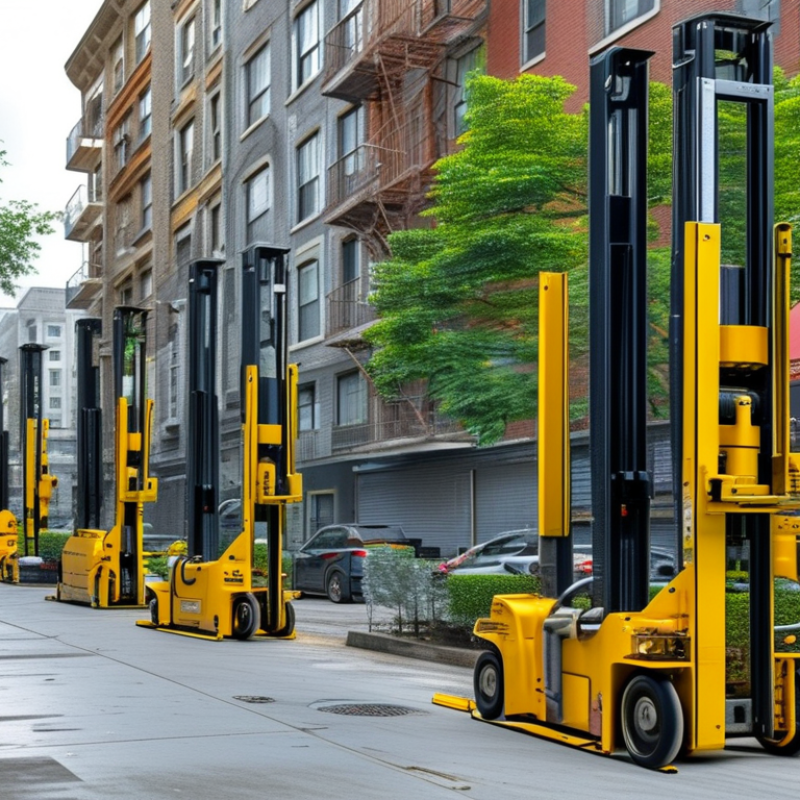
A car elevator platform is a vertical lifting system that moves vehicles between different levels. It usually combines a steel platform, guide rails, drive equipment, controls, and safety locks. Unlike a standard passenger lift, it is designed for vehicle weight, wheel placement, clearance, and controlled loading. The platform may serve underground parking, compact buildings, showrooms, or logistics facilities where ramps consume valuable space.
A typical operation is simple. The driver positions the car on marked guides, applies the parking brake, and leaves the platform. Sensors check the doors, load position, and travel area before movement begins. Mechanical locks help secure the platform at each landing. In projects I have reviewed, small details matter greatly. A few centimeters of clearance can affect daily use. Poor drainage can also create long-term maintenance problems.
Global projects require careful adaptation. Designers must verify local building codes, electrical requirements, fire provisions, accessibility rules, and vehicle dimensions. Climate adds another concern. Humid coastal sites may need stronger corrosion protection, while cold regions require suitable seals and heating strategies. Energy use, rescue access, inspection routines, and operator training should be assessed before installation. The platform is not always the best answer. Frequent traffic, unusual vehicle sizes, or limited maintenance support may expose weaknesses that drawings hide. Even a technically sound system can frustrate users when loading guidance feels unclear.
Why Choose a Car Elevator Platform for Global Projects?
What Is a Car Elevator Platform?
A car elevator platform is a mechanized lifting deck that transfers vehicles between different floors or levels. The rapid growth of electric-car adoption highlights the importance of selecting platforms with suitable load capacity, deck dimensions, safety systems, and reliable vertical transportation performance for global projects.
Source: International Energy Agency, Global EV Outlook 2024. Global electric car sales include battery electric and plug-in hybrid vehicles.
How Does a Car Elevator Platform Work?
Why Choose a Car Elevator Platform for Global Projects?
A car elevator platform moves vehicles between floors when a traditional ramp is impractical. It uses a lifting platform, guide rails, drive system, and control cabinet. The vehicle enters at ground level. It moves vertically. At the selected floor, doors open only after the platform reaches its locked position.
In practical projects, sensors check platform alignment, door status, overload conditions, and obstruction risks. Mechanical locks support the platform during loading and unloading.
Emergency controls allow trained personnel to stop movement safely. Clearances matter. A few centimeters can affect door operation, tire placement, and the usable vehicle height.
Designers must study traffic flow, building structure, climate, and local safety requirements before selecting equipment. A coastal site may need stronger corrosion protection. A cold region may require heating for exposed components.
Service access also deserves attention, although it is sometimes treated as an afterthought. That can create delays later. A platform may look efficient on paper, yet poor drainage or awkward entry angles can reduce daily performance. Reliable projects include load testing, routine inspections, and clear operating instructions for every user.
What Benefits Do Car Elevator Platforms Offer Global Projects?
Why Choose a Car Elevator Platform for Global Projects?
Car elevator platforms offer practical benefits when projects face limited space, uneven terrain, or strict access requirements. A platform can move vehicles between levels without building a long ramp. This may preserve valuable floor area for parking, storage, or pedestrian routes. In dense urban sites, even a few saved meters can change the entire layout.
Global projects also need flexibility. Platforms can serve residential buildings, hotels, dealerships, and transport facilities with different vehicle sizes. Adjustable controls and reinforced platforms help accommodate changing operational needs. Qualified engineers should review load capacity, pit depth, travel height, emergency access, and local safety requirements before installation. Climate matters too. Coastal sites may require stronger corrosion protection, while cold regions need suitable hydraulic and electrical components.
Maintenance access is another important benefit. Clear inspection points and replaceable safety components can reduce downtime over the equipment’s service life. However, a car elevator platform is not a universal solution. It may require careful drainage, ventilation, structural reinforcement, and trained operators. That trade-off deserves honest review. A lower purchase cost can become expensive if spare parts, inspections, or technical support are difficult to obtain locally. Reliable planning includes documented testing, user training, and a maintenance schedule that fits the project’s country, climate, and daily traffic pattern.
How Should Projects Select the Right Car Elevator Platform?
Why Choose a Car Elevator Platform for Global Projects?
Selecting the right car elevator platform begins with the site, not the brochure. Measure the pit depth, overhead clearance, entrance width, and available power supply. Then confirm the vehicle’s maximum weight, wheelbase, track width, and daily traffic volume. A platform designed for occasional private use may fail under continuous commercial operation. It happens more often than expected.
Project teams should also examine local conditions. Coastal sites need stronger corrosion protection, while cold regions may require suitable hydraulic fluids and insulated control cabinets. Ask for documented load tests, emergency lowering procedures, safety interlocks, and maintenance access. Verify compliance with applicable regional standards through qualified engineers. A clear service plan matters as much as lifting capacity. If technicians cannot reach valves or sensors safely, downtime can grow quickly.
Tips: Compare at least three technical proposals using the same data sheet. Request drawings showing drainage, foundation details, and vehicle clearance. Check noise levels near homes or hotels. Confirm spare-part availability and technician response times. Do not select only by price. A lower initial cost can hide difficult installation or frequent maintenance. One overlooked detail is often the drainage route. Water can quietly damage a platform over time. Also, do not assume every “standard” model fits every project; that assumption deserves review.
What Safety, Compliance, and Maintenance Factors Matter?
A car elevator platform can simplify space planning, but safety must lead the specification. Global projects should align with local lift rules, building codes, and machine-safety requirements. Common references include EN 81-20, EN 81-50, ASME A17.1/CSA B44, and ISO 12100. These standards address structural strength, guarding, emergency controls, and risk assessment. Requirements still vary by country. Confirm them with an independent inspection body before installation.
Maintenance planning deserves equal attention. The U.S. Bureau of Labor Statistics recorded 5,283 fatal workplace injuries in 2023, with a rate of 3.5 deaths per 100,000 full-time workers. This figure is not specific to car elevators, but it shows why service access and isolation procedures matter. Platforms need accessible inspection points, reliable door interlocks, overload protection, and clear emergency lowering controls. ISO 25745 also provides a framework for evaluating elevator energy performance, which can support lifecycle decisions. Keep inspection logs detailed, including oil leaks, unusual vibration, and stopping accuracy. Small deviations matter.
Field experience suggests that many failures begin with unclear handover documents. That is an uncomfortable point. Operators may receive equipment without practical training or spare-part guidance. A global project should define inspection intervals, technician qualifications, local replacement parts, and response times before procurement. Design assumptions may also fail after climate changes, dust exposure, or heavier vehicle use. Regular audits can reveal these weaknesses early, although no checklist replaces competent judgment.
 English
  Česká republika
 Deutsch
 Dutch
Dutch Polska