Why Choose a 4 Pin Female Connector for Global Sourcing?
Global sourcing increasingly depends on compact, dependable interconnection products. Grand View Research estimates that the global connectors market was worth tens of billions of dollars in 2023. Its report also projects continued growth through 2030, supported by automotive electronics, industrial automation, and data communication. These sectors demand stable signal transfer, repeatable assembly, and reliable supply.
A 4 Pin Female Connector offers a practical balance between function, size, and sourcing flexibility. Four contacts can support power, grounding, or multiple signal paths in one compact housing. That matters when equipment has limited panel space. MarketsandMarkets identifies automotive and telecommunications as major connector application areas. These industries commonly require controlled mating cycles, secure locking, and consistent terminal performance.
Small details matter.
During supplier evaluation, buyers should examine contact plating, housing material, current rating, insulation resistance, and operating temperature. IEC 60512 test methods can help compare electrical and mechanical performance. RoHS and REACH documentation may also support responsible procurement decisions, depending on the destination market.
However, choosing a 4 Pin Female Connector is not automatically the best decision. Some applications need higher pin counts, stronger environmental sealing, or specialized keying. A connector can pass a catalog test yet fail after vibration, humidity, or repeated field maintenance. That uncomfortable gap deserves attention. Global sourcing works better when samples, inspection records, traceability, and supplier audits support the purchasing decision. Reports provide direction, but hands-on validation remains essential.
What Is a 4 Pin Female Connector and How Does It Work?
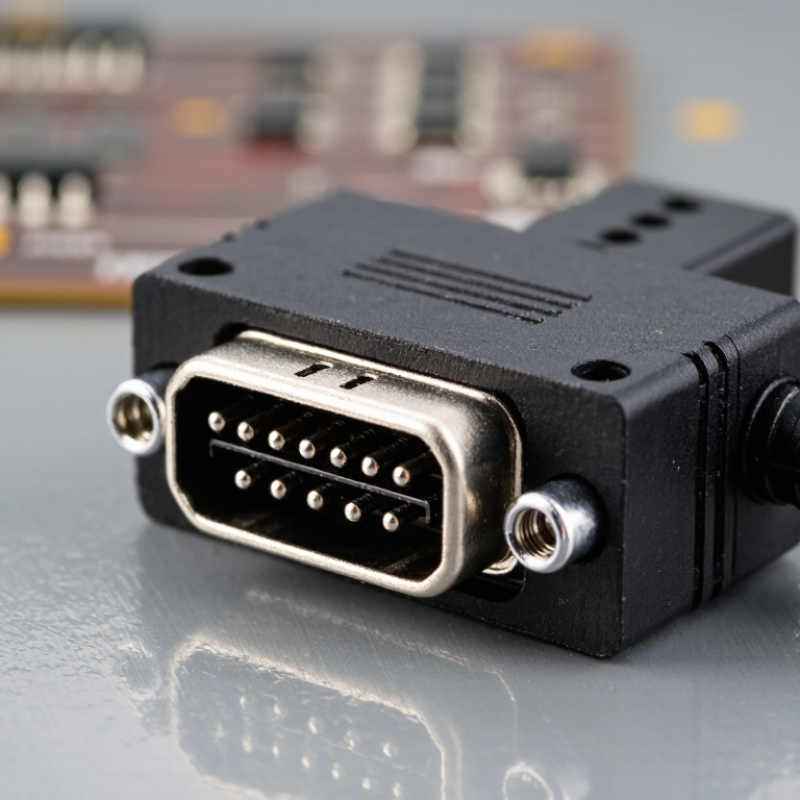
A 4 pin female connector is a compact interface with four recessed contact positions. It receives four matching male pins and transfers power, signals, or both. Each contact connects through a crimped or soldered wire termination. The plastic housing keeps contacts aligned. A latch or threaded coupling helps prevent accidental separation during vibration.
Pin assignments vary by application. One pin may carry positive power, another ground, and the remaining two may transmit control or data signals. That arrangement is practical, but never assume it is universal. Always verify the pinout, rated voltage, current, contact resistance, and mating cycles. A small molded key can also prevent reversed insertion. It is a simple detail.
MarketsandMarkets’ 2024 Electrical Connectors Market report estimates growth from approximately US$84 billion in 2024 to over US$116 billion by 2030. This expansion reflects demand across industrial equipment, vehicles, automation, and communications. Global sourcing teams should examine more than unit price. They should request drawings, material specifications, test results, and sample approval records. IEC 60512 testing methods can support checks for continuity, insulation, vibration, and mechanical endurance. Still, laboratory performance may not match field conditions. Dust, moisture, and rushed assembly can expose weaknesses. A connector that fits perfectly on a bench may fail inside a vibrating cabinet. That is why sourcing decisions should combine documented data with hands-on inspection and realistic mating tests.
Which Electrical and Mechanical Features Define Its Performance?
A 4 pin female connector performs well when its electrical limits match the application. Each contact must carry the required current without excessive heat. Low contact resistance helps reduce voltage loss during continuous operation. The rated voltage also needs sufficient insulation clearance. This matters in compact control panels. Contact plating, spring force, and terminal material influence durability. Gold plating can support stable signals, while tin often suits cost-sensitive power connections. The choice is never automatic.
Mechanical performance is equally important. A secure latch prevents separation during vibration, but it should not require excessive force. Polarization helps prevent incorrect mating. The housing must fit the cable diameter and maintain reliable strain relief. Key dimensions include pitch, mounting space, panel thickness, and mating depth. I have seen small tolerance errors create major assembly delays. A connector may fit the first sample yet fail after repeated cycling.
Environmental details often decide the final result. Check the operating temperature, humidity resistance, ingress protection, and vibration test method. Confirm the intended wire gauge and crimp quality through sample testing. A supplier should provide drawings, material data, inspection records, and traceability. Do not rely on catalog ratings alone. Test actual assemblies under load and after repeated mating cycles. Four pins offer useful flexibility, but unused contacts still need proper handling. A cheaper option may become expensive when field maintenance begins.
Why Does a 4 Pin Design Suit Diverse Global Applications?
A four-pin female connector fits many global applications because it balances function, size, and wiring simplicity. In field projects, four contacts often support power, ground, and two signal lines. That arrangement suits sensors, small control panels, lighting modules, and compact automation equipment. It keeps cable assemblies narrow and easier to route. Technicians can identify each circuit faster during installation. This matters when equipment crosses factories, climates, and service teams.
Small details matter. A clear pinout is essential.
The female side provides a protected receiving interface for a matching male plug. Keyed housings help prevent incorrect insertion, while locking features reduce accidental disconnection. For outdoor use, buyers should verify sealing performance, contact plating, temperature limits, and cable diameter. IP ratings must match the enclosure design, not only the connector listing.
I have learned that sample testing reveals problems hidden by drawings. Check insertion force, retention, continuity, and repeated mating cycles. Test under heat and humidity extremes.
Global sourcing adds another concern: the same four-pin connector may use different pin assignments. Request a controlled drawing, inspection report, and traceable material information. Confirm terminals, crimp tooling, and replacement availability before approving production.
A lower unit price can become expensive after rewiring or field returns. The four-pin design is versatile, but it is not automatically universal. That assumption needs scrutiny.
Engineers should compare electrical load, insulation distance, vibration resistance, and local certification needs before purchase orders are released.
How Should Buyers Evaluate Compatibility, Quality, and Compliance?
When sourcing a 4 pin female connector globally, compatibility needs more than matching a product photo. Confirm the pin arrangement, pitch, keying, mating interface, and cable exit direction. Check voltage, current, wire gauge, and operating temperature against the real application. A connector may fit physically but still fail electrically.
Quality depends on measurable evidence. Request sample units, dimensional drawings, material specifications, and inspection records. Test insertion force, contact retention, continuity, insulation resistance, and mating cycles. Examine plating thickness and terminal crimp quality, especially for vibration or outdoor equipment. Compliance documents should match the exact connector and production site. Depending on the market, buyers may need RoHS, REACH, IEC, or other applicable documentation. Requirements can differ by destination. Never rely on a generic certificate.
Tips: Ask for batch traceability and a pre-shipment inspection. Compare samples under load, not only on a workbench. Keep one approved sample as a reference. A perfect checklist is impossible. I have seen small housing changes create major assembly problems. That is why buyers should review tolerances, packaging, labeling, and change-control procedures before placing large orders. Supplier communication matters too. Ask how defects are handled, how records are retained, and whether production changes require written approval.
Why Choose a 4 Pin Female Connector for Global Sourcing? - How Should Buyers Evaluate Compatibility, Quality, and Compliance?
| Evaluation Dimension | What Buyers Should Verify | Practical Acceptance Benchmark | Why It Matters in Global Sourcing | Recommended Evidence |
|---|---|---|---|---|
| Contact Arrangement | Confirm four electrical contacts, female terminal orientation, keying, pin numbering, and mating direction. | Pin numbering and mechanical keying must match the mating half and cable drawing with no ambiguity. | Prevents incorrect mating, reversed signals, and costly tooling or cable changes. | Dimensioned drawing, 2D pinout, 3D CAD file, and first-article sample. |
| Electrical Rating | Check rated voltage, rated current, contact resistance, insulation resistance, and dielectric withstand voltage. | The connector rating should exceed the application load with an engineering safety margin; contact resistance should remain stable after testing. | Electrical ratings vary with wire size, temperature, spacing, housing material, and circuit conditions. | Product specification, test conditions, electrical test report, and derating curve. |
| Current-Carrying Capability | Evaluate conductor size, number of energized circuits, ambient temperature, and allowable temperature rise. | Use the manufacturer’s current-versus-temperature curve rather than relying only on a nominal current value. | Four contacts in a small housing can experience thermal derating when all circuits operate simultaneously. | Temperature-rise report, derating chart, and application-specific validation data. |
| Mating Compatibility | Verify mating cycles, insertion force, withdrawal force, terminal retention, and prevention of partial mating. | Mating performance should remain within the specified limits after the stated cycle test. | Helps protect field-service reliability and reduces intermittent connection failures. | Mating-cycle procedure, force measurements, terminal-retention results, and inspection records. |
| Mechanical Fit | Check housing dimensions, panel cut-out, mounting method, cable exit, strain relief, and clearance around the connector. | Critical dimensions should be controlled by drawing tolerances and verified with calibrated gauges or measuring equipment. | Dimensional differences between suppliers can prevent direct interchangeability. | Controlled drawing, tolerance table, inspection report, and approved golden sample. |
| Environmental Protection | Identify required ingress protection, operating temperature, humidity, vibration, shock, and corrosion resistance. | Select an IP rating only when the complete mated assembly, seals, cable, and installation method have been tested together. | An unsealed connector may be unsuitable for outdoor, wet, dusty, or washdown environments. | Environmental test reports, seal material information, and installation instructions. |
| Materials and Plating | Review contact alloy, plating system, housing resin, terminal base material, and compatibility with the mating contact. | Materials should be traceable and suitable for the expected current, temperature, humidity, and corrosion exposure. | Material selection affects conductivity, wear resistance, oxidation behavior, and long-term contact stability. | Material declarations, plating-thickness report, resin datasheet, and batch traceability. |
| Safety and Flammability | Confirm housing flammability performance, insulation design, creepage, clearance, and protection against accidental contact. | The design should satisfy the applicable end-product safety requirements for the intended voltage and environment. | Safety requirements differ by product category and destination market; a generic claim may not be sufficient. | Flammability report, safety file, insulation test results, and product risk assessment. |
| Regulatory Compliance | Check restricted substances, material declarations, recycling obligations, and destination-market documentation requirements. | Obtain current declarations for applicable RoHS and REACH requirements and verify that they cover all supplied materials. | Incomplete declarations can delay customs clearance, customer approval, or market release. | Signed compliance declaration, substance report, supplier material list, and revision-controlled records. |
| Quality Control | Evaluate incoming-material inspection, in-process controls, terminal crimp checks, visual inspection, and final electrical testing. | Critical characteristics should have documented control limits, sampling plans, and nonconformance procedures. | Consistent process control is more reliable than approval based on a single sample. | Control plan, process-flow diagram, inspection records, capability data, and corrective-action history. |
| Cable Termination | Confirm wire gauge range, insulation diameter, stripping length, crimp geometry, pull force, and tooling requirements. | Crimp dimensions and pull-force results should meet the terminal specification for every approved wire combination. | Poor crimp control can create high resistance, conductor damage, or intermittent field faults. | Crimp application specification, cross-section analysis, pull-force test, and approved tooling list. |
| Supply Continuity | Review capacity, lead time, minimum order quantity, tooling ownership, alternate materials, and change-notification policy. | The sourcing plan should include forecast visibility, safety stock rules, and formal approval for changes affecting fit, form, or function. | A technically suitable connector can still create risk if supply interruptions or uncontrolled changes occur. | Capacity statement, lead-time history, business-continuity plan, and change-control agreement. |
| Packaging and Identification | Check terminal protection, moisture control, lot coding, quantity accuracy, labeling language, and barcode requirements. | Packaging must prevent deformation, contamination, corrosion, and mixing of different revisions or pin configurations. | Clear identification supports warehouse control, traceability, and efficient receiving inspection across regions. | Packaging specification, label sample, lot-traceability format, and shipment inspection checklist. |
Note: Electrical, mechanical, environmental, and compliance values should be confirmed against the final connector drawing, applicable regulations, complete cable assembly, and intended end-use conditions before approval.
What Factors Influence Global Sourcing Costs and Supply Reliability?
Why Choose a 4 Pin Female Connector for Global Sourcing?
A 4 pin female connector suits compact control panels, sensors, and low-voltage equipment. Its sourcing cost depends on more than the unit price. Contact material, housing resin, plating thickness, and sealing requirements can change the quotation quickly. Tooling charges also matter when annual demand is modest. Small orders often carry higher setup costs.
A practical sourcing review should compare minimum order quantities, packaging volume, freight mode, and import duties. Air freight may protect urgent production, but it can erase the original price advantage. Sea freight costs less per unit, yet longer transit times require better inventory planning. Exchange-rate movement adds another variable. A low quote can still mislead.
Supply reliability depends on process control and communication. Ask for dimensional records, electrical test results, and sample approval before mass production. Check whether the supplier has backup sources for resin, terminals, and plating materials. Clear drawings reduce interpretation errors, especially when pin spacing is tight. Confirm lead times using actual capacity data, not optimistic estimates. No forecast is perfect. I have seen schedules fail because cartons lacked moisture protection during humid transit. Strong packaging, batch identification, and inspection checkpoints can prevent similar disruptions. Local compliance requirements should also be reviewed before shipment.
Why Choose a 4 Pin Female Connector for Global Sourcing?
Cost and supply reliability are influenced by connector design simplicity, certification requirements, logistics distance, order volume, and supplier quality control. The normalized index below uses 100 as the highest relative influence in a global sourcing decision.
A 4 pin female connector typically offers a balanced design with limited assembly complexity, while supply reliability still depends on logistics planning, compliance documentation, production capacity, and incoming quality controls.
English
Česká republika
Deutsch
Dutch
Polska