Why Do You Need Acid Storage Cabinets?

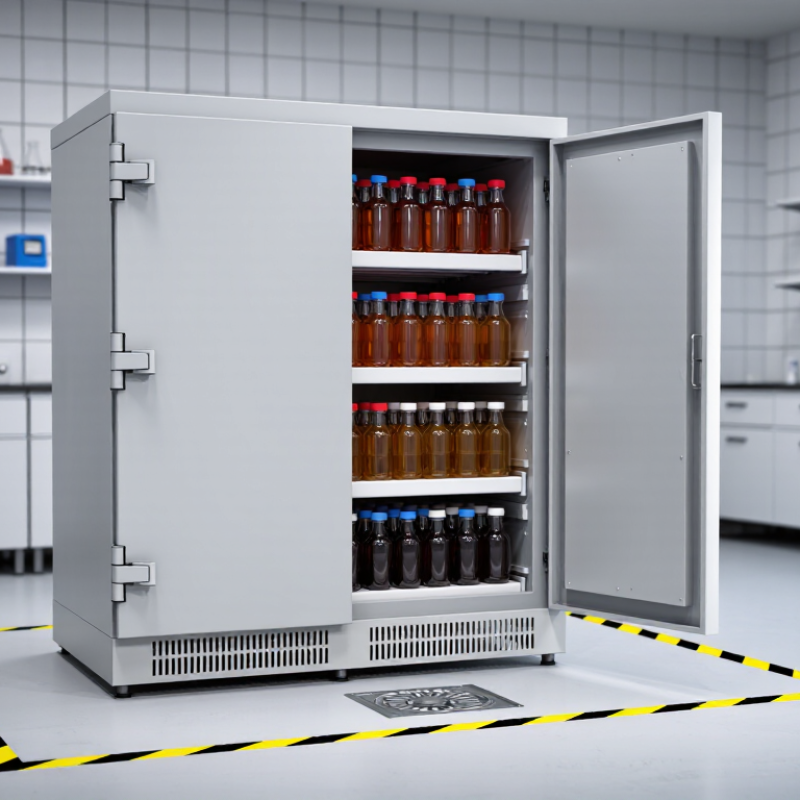
Acids are easy to underestimate when they sit quietly in a bottle. A cracked cap, a corroded shelf, or one careless transfer can turn routine storage into a spill, damaged equipment, or a worker exposure. Acid Storage Cabinets provide a dedicated, corrosion-resistant place to contain and organize compatible containers. They also help teams keep acids away from incompatible materials. That separation matters.

The risk is not theoretical. The NIOSH Pocket Guide to Chemical Hazards lists a recommended exposure limit of 1 mg/m³ for sulfuric acid and an immediately dangerous to life or health value of 15 mg/m³. These figures describe airborne exposure, not cabinet performance or a universal storage rule. Still, they show why preventing leaks and limiting contact deserve serious attention. A cabinet is one practical layer of control, not a substitute for ventilation, training, or suitable protective equipment.

Choosing one takes more than checking its label. Consider the acids being stored, container sizes, spill containment, ventilation needs, and the cabinet maker’s material-compatibility guidance. Nitric acid, for example, may require separation from other acids because it is an oxidizer. Check the safety data sheets and your site’s procedures before deciding. A cabinet cannot fix poor segregation. And no cabinet removes the need to inspect bottles and shelves. Storage plans can look tidy on paper; real labs are messier. That is worth remembering when asking why acid storage cabinets are needed.
Why Do You Need Acid Storage Cabinets?

What Acid Storage Cabinets Are and How They Work

An acid storage cabinet is a purpose-built enclosure for keeping compatible corrosive liquids in a controlled, clearly organized space. It differs from ordinary metal shelving, which may corrode after repeated contact with drips or vapors. Cabinet materials and coatings are selected to resist chemical damage, but compatibility still depends on the particular acid and cabinet design. Check the product guidance before placing containers inside.

The cabinet helps by containing small leaks and reducing the chance of accidental contact. Many designs include corrosion-resistant shelves and a bottom sump that can hold spills. Some have doors that close securely and labels that make hazards easier to recognize. Simple details matter. A bottle should stand upright, with its label facing outward, and containers should not crowd the shelf. Acids that can react with each other need separate, appropriate storage rather than one shared cabinet. Ventilation is not automatically safer; changing a cabinet’s design can affect its performance, so follow the manufacturer’s instructions. Even with good equipment, a quick visual check can miss a slow leak.

That is a useful reminder: safe storage takes routine attention, not just a sturdy cabinet.

The Hazards of Improper Acid Storage

Why Do You Need Acid Storage Cabinets?

Improper acid storage can turn a small leak into a serious exposure or costly cleanup. A bottle with a damaged cap may leave corrosive liquid on a shelf, eating through labels and nearby metal. Vapors can also irritate eyes and airways, while incompatible chemicals may react if containers leak or break. The NIOSH Pocket Guide to Chemical Hazards lists a recommended exposure limit for sulfuric acid of 1 mg/m³ as an eight-hour time-weighted average. That is a workplace exposure guideline, not a reason to tolerate fumes. Keep exposure prevention practical.

A purpose-built acid cabinet offers corrosion-resistant construction and containment for minor leaks, but it cannot correct poor handling. Select a cabinet compatible with the acids stored, and keep incompatible substances separated according to their safety data sheets. Never assume every “acid” belongs together. Check caps, labels, shelves, and containment trays during routine inspections; a faded label or unnoticed corrosion can matter. In busy work areas, people sometimes return bottles to the nearest open shelf. That habit is understandable, but unsafe. Clear labeling and a consistent storage location make the safer choice easier.

Why Do You Need Acid Storage Cabinets? - The Hazards of Improper Acid Storage
Storage Issue Potential Hazard Example of Incompatibility or Failure Safer Storage Practice
Acids stored with incompatible chemicals Fire, heat, splashing, or toxic gas release Acids can react dangerously with bases. Some acids can release highly toxic gases if they contact cyanides or sulfides. Segregate acids from incompatible materials. Check each product’s Safety Data Sheet (SDS) and follow site-specific chemical-compatibility guidance.
Corrosive liquids stored in ordinary shelving Corrosion, container failure, and spills Acid vapors or leaks may damage metal shelving and nearby equipment; a weakened shelf or container can lead to a release. Use a cabinet designed for corrosive chemicals, with materials and fittings suitable for the acids being stored.
No secondary containment Leaked liquid can spread or contact other chemicals A leaking bottle may flow across a shelf or mix with residue from another container. Use compatible, chemically resistant trays or other secondary containment. Keep incompatible substances in separate containment areas.
Containers left open, damaged, or poorly sealed Exposure to corrosive liquid or irritating vapors Loose caps, cracks, or corrosion can allow liquid or vapor to escape during handling and storage. Keep containers closed when not in use. Inspect them regularly and replace damaged containers using approved procedures.
Unclear labels or unknown contents Incorrect handling or incompatible storage An unidentified container may be mistaken for a less hazardous chemical or placed beside incompatible materials. Keep original labels legible. Label transferred containers as required by workplace procedures, and do not store unidentified chemicals.
Improper storage of oxidizing acids Increased fire or reaction risk Some acids, such as nitric acid, have oxidizing properties and may react with combustible or organic materials. Review the SDS and compatibility guidance. Store oxidizing acids separately from incompatible chemicals in a suitable designated area.
Overloaded or poorly organized cabinet Dropped containers, spills, and blocked access Overcrowding can make containers difficult to remove safely and may increase the chance of breakage. Keep the cabinet within its rated capacity, store containers securely, and maintain clear access for safe handling.
Cabinet ventilation changed without review Unintended exposure or reduced fire protection Adding an improvised exhaust connection can affect cabinet performance and may not control vapors safely. Do not modify or ventilate a cabinet unless required by the applicable design, chemical risk assessment, and local safety requirements.

How Acid Cabinets Reduce Exposure and Damage

A dedicated acid storage cabinet helps keep corrosive containers away from routine work areas. That matters. A closed door reduces accidental contact, while clear labels help staff identify contents before handling them. Spill trays can catch small leaks and protect cabinet surfaces, benches, and nearby equipment from corrosion. Choose cabinet materials and trays compatible with the specific acids stored; “corrosion-resistant” does not mean suitable for every chemical. Keep containers upright, tightly closed, and easy to inspect. A crowded shelf is harder to check.

Cabinets also keep minor drips in a more contained space, limiting damage to floors and fixtures. They do not eliminate fumes or make unsafe handling safe. Use ventilation only when the cabinet and site setup are designed for it, and follow the safety data sheet and workplace procedures. Keep incompatible chemicals separated, and avoid storing heavy bottles above eye level. Small habits matter. Inspect shelves, seams, and trays regularly; a cabinet may look sound while residue quietly damages its lining.

Why Do You Need Acid Storage Cabinets?

Acid cabinets help keep corrosive chemicals securely stored, reduce the chance of spills and direct contact, and limit damage to nearby materials. The chart shows OSHA permissible exposure limits (PELs) for common acids—not measured cabinet performance.

OSHA PEL benchmarks: hydrogen chloride, 5 ppm ceiling; nitric acid, 2 ppm time-weighted average; sulfuric acid, 1 mg/m³ time-weighted average. Gas values are converted approximately to mg/m³ at 25°C and 1 atmosphere. Because the limits use different averaging periods, they are not directly equivalent. Proper storage helps prevent releases but does not replace ventilation, compatible containers, or safe handling procedures.

Key Cabinet Features for Safe Acid Storage

Why Do You Need Acid Storage Cabinets?

Key Cabinet Features for Safe Acid Storage

Acid storage cabinets should resist corrosion, contain small spills, and keep incompatible chemicals apart. Look for a sealed, corrosion-resistant interior, sturdy shelves, and a leak-resistant sump. Polyethylene or appropriately coated steel may suit different acids; verify material compatibility against the specific chemical and its concentration.

Small details matter. A worn shelf coating or poorly fitting door can become a weak point. NIOSH’s Pocket Guide to Chemical Hazards lists sulfuric acid’s immediately dangerous to life or health concentration as 15 mg/m³. That figure is not a cabinet design limit, but it shows why containment and careful handling matter.

Choose a cabinet sized for the actual containers, with shelves that remain stable under their filled weight. Keep acids segregated from bases and other incompatible materials, and store containers upright with labels visible. If ventilation is needed, follow the cabinet maker’s instructions and your site’s safety assessment; improvised venting can invite corrosion or release vapors into the room.

Inspect the sump, hinges, and shelf surfaces regularly. Honestly, inspection routines are easy to postpone. A simple dated checklist can make damage easier to spot before a small leak reaches the floor. NIOSH data describe hazards; they do not replace a site-specific chemical risk assessment.

Choosing and Maintaining an Acid Storage Cabinet

Choosing an acid storage cabinet starts with the chemicals, not the cabinet label. Check each safety data sheet for material compatibility, storage temperature, and ventilation guidance. Some acids can damage metal; others may react dangerously with nearby substances. A cabinet’s liner, shelves, seams, and sump should resist the specific chemicals stored. Polyethylene may suit some acids, but it is not universally compatible. A cabinet can still be chosen badly.

OSHA estimated that 32 million U.S. workers were exposed to hazardous chemicals in its 2012 Hazard Communication Standard update. The same update cited about 650,000 hazardous chemical products. These figures cover chemicals broadly, not acids alone, but they show why clear labels and safe storage matter. NFPA 400 also addresses corrosive-material storage and separation. Use its guidance alongside site procedures and each product’s safety data sheet.

Keep incompatible materials apart, including acids and bases. Store containers upright, with caps secure and labels facing outward. Leave room to remove bottles without scraping them against shelves. Inspect the cabinet regularly for corrosion, cracks, residue, damaged hinges, or a blocked sump. Clean small spills only when trained and equipped to follow the relevant safety data sheet. Record inspections. It may feel repetitive, but a missed leak can turn a routine check into a much harder problem.