Top Wheel Loader Tips for Global Buyers to Maximize Value
In the competitive landscape of construction and heavy machinery, the Wheel Loader stands as a vital asset for many operations. Industry expert John Anderson states, "Understanding the true value of a Wheel Loader can significantly impact your bottom line." This insight underscores the necessity for global buyers to make informed decisions when purchasing this crucial equipment.
Choosing the right Wheel Loader involves more than just price. Factors such as efficiency, durability, and serviceability play critical roles in maximizing value. Potential buyers often overlook the importance of understanding specifications and application needs. Each project demands specific features that can either enhance productivity or lead to unforeseen challenges.
Investing in a Wheel Loader without thorough research can lead to costly mistakes. It's vital to evaluate different models and configurations. Additionally, engaging with experts and seeking reliable reviews can offer invaluable insights. The Wheel Loader market is vast, and informed choices are paramount for success.
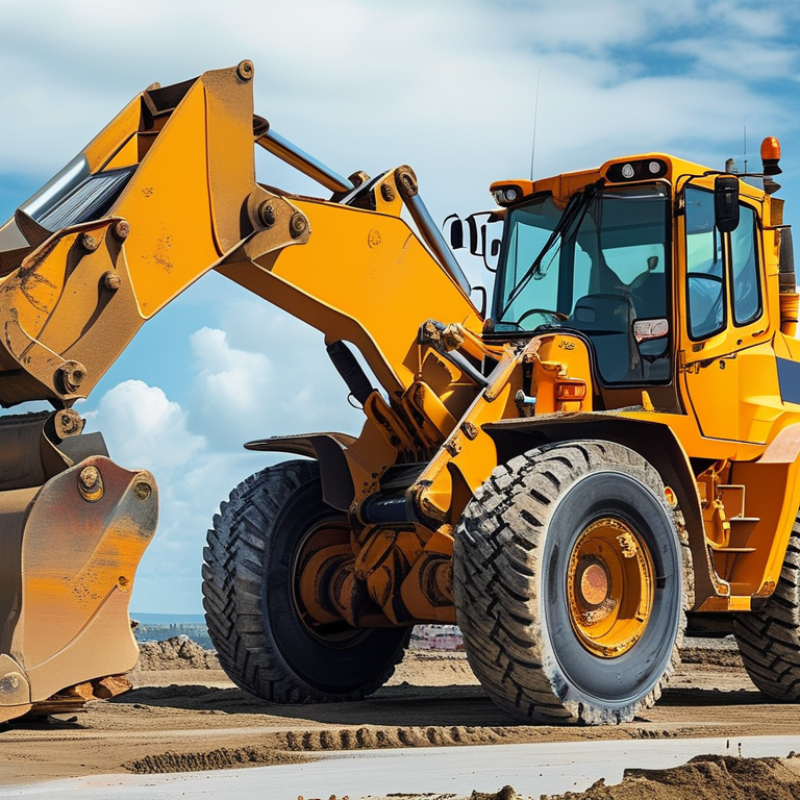
Essential Features to Consider When Buying a Wheel Loader
When considering a wheel loader, focusing on essential features is crucial to ensure maximum value. Start by examining the engine power and fuel efficiency. A loader with a powerful engine can tackle tough jobs but may consume more fuel. Balance is key here. Look for models that optimize fuel consumption while providing adequate power for your tasks.
Another important feature is the bucket size and type. Different applications require different bucket sizes. Larger buckets increase capacity but can impact maneuverability. Evaluate your project needs carefully. Are the jobs primarily in tight spaces or open areas? Understanding the environment will guide your choice.
Additionally, consider operator comfort and safety features. A well-designed cabin with ergonomic controls enhances productivity. Safety features, like stability controls and visibility enhancements, are paramount. Operators must feel safe and comfortable for optimal performance. These elements are often overlooked but are critical for long-term satisfaction.
Pay attention to maintenance accessibility as well. Easy access to service points ensures that routine maintenance is less labor-intensive. Regular upkeep contributes to a machine's longevity and reliability. It’s not only about performance but also about the practicality of ownership.
Essential Features to Consider When Buying a Wheel Loader
Understanding Different Types of Wheel Loaders and Their Applications
When choosing a wheel loader, understanding the various types is essential. Wheel loaders come in compact, standard, and large sizes. Each type serves different applications. Compact wheel loaders are ideal for small job sites. They excel in confined spaces. Standard wheel loaders offer versatility for general construction. They handle a range of materials effectively.
Large wheel loaders are designed for heavy-duty tasks. They excel in mining and large-scale operations. The choice of loader impacts productivity and efficiency. Buyers should consider factors like job site size and material type.
It's easy to overlook maintenance needs, too. Regular checks extend the loader's lifespan. Neglecting this can lead to costly repairs. Understanding the specific requirements of each type can help avoid such pitfalls. Balancing features and cost is crucial. Invest time in researching your options.
Evaluating Wheel Loader Brands: What Global Buyers Should Know
When evaluating wheel loader brands, buyers should focus on key performance indicators. These include lifting capacity, fuel efficiency, and ease of maintenance. A loader that offers a high lift capacity is essential for heavy-duty tasks. However, buyers often overlook fuel efficiency. A more fuel-efficient loader can save money in the long run.
Brand reputation matters significantly. Researching how a brand performs in various environments is crucial. Look for documented case studies or testimonials. These can provide insight into a brand’s reliability and durability. Additionally, consider the local availability of parts and service. Brands with a strong dealer network offer better support.
Buyers should also reflect on their specific needs. Sometimes, the latest model is not the best fit. Older models may offer better value for certain tasks. Evaluating your requirements honestly can lead to better purchasing decisions. Avoid being swayed by flashy marketing. True value comes from aligning the equipment with your actual operational needs.
Cost Analysis: Balancing Price and Quality in Wheel Loader Purchases
When considering the purchase of a wheel loader, cost analysis is crucial. Buyers often face the challenge of balancing price with quality. A lower price may seem appealing, but it can come with hidden costs. Maintenance issues may arise sooner, leading to unexpected expenses. Investing in a reliable machine upfront often proves more economical in the long run.
Quality also plays a significant role. Quality wheel loaders typically offer better fuel efficiency, durability, and performance. Features like advanced hydraulics or improved load capacity can enhance productivity. However, evaluating these features requires careful consideration. Not all high-priced models guarantee superior performance. Conducting thorough research can help identify the best value.
It’s important to consult industry experts or experienced buyers. Their insights can provide clarity on what to expect from various options. Reading user reviews and comparing specifications can also guide your decision. Reflecting on past experiences with equipment can reveal if the investment was worth it. Making informed choices leads to better outcomes in the long term.
After-Sales Support and Maintenance Considerations for Wheel Loaders
When investing in wheel loaders, after-sales support and maintenance are crucial. Reports indicate that around 40% of total costs come from maintenance over a machine's lifespan. A strong after-sales service can significantly reduce these costs. Timely access to spare parts and responsive customer support are vital. Buyers should consider suppliers' reputations for reliability in these areas.
Regular maintenance can prevent expensive repairs. Studies show that machines with routine servicing perform 15% better in productivity. However, not all users follow recommended maintenance schedules. It’s essential to understand the potential risks of neglect. Operators must be trained to recognize signs of wear or malfunction early on.
Choosing a supplier who provides comprehensive training and resources is key. This inclusion empowers operators to care for their wheel loaders effectively. Unsatisfactory maintenance can lead to costly downtime. A proactive approach is necessary. Balancing upfront costs with long-term support systems ultimately maximizes value.
 English
  Česká republika
 Deutsch
 Dutch
Dutch Polska