10 Tips for Buying a Chemistry Lab Table
A Chemistry Lab Table is more than a flat surface. It must handle daily experiments, chemical exposure, heavy instruments, and changing workflows. The National Academies’ Prudent Practices in the Laboratory (2011) treats laboratory design and equipment selection as part of an integrated safety process. That matters when comparing worktops, frames, sinks, and service connections. ANSI/AIHA Z9.5-2022 also provides guidance on laboratory ventilation, which can affect where tables belong and how equipment fits around airflow systems. Details matter.
Operating costs deserve attention, too. I2SL’s Labs2Zero benchmarking initiative tracks laboratory performance, including energy use, encouraging facilities to consider long-term operations alongside initial purchases. A table’s durability, cleanability, and adaptability can shape replacement needs and daily maintenance. Still, no report can select the right model for every room. A teaching lab with movable stools has different needs from a research space supporting sensitive instruments. I would not trust a glossy product photo alone; inspect load ratings, chemical-resistance documentation, edge construction, and installation requirements. Then compare those details with actual experiments and room constraints. The following ten tips offer a practical way to do that, while recognizing that one overlooked requirement—such as a misplaced utility connection—can complicate an otherwise careful choice.
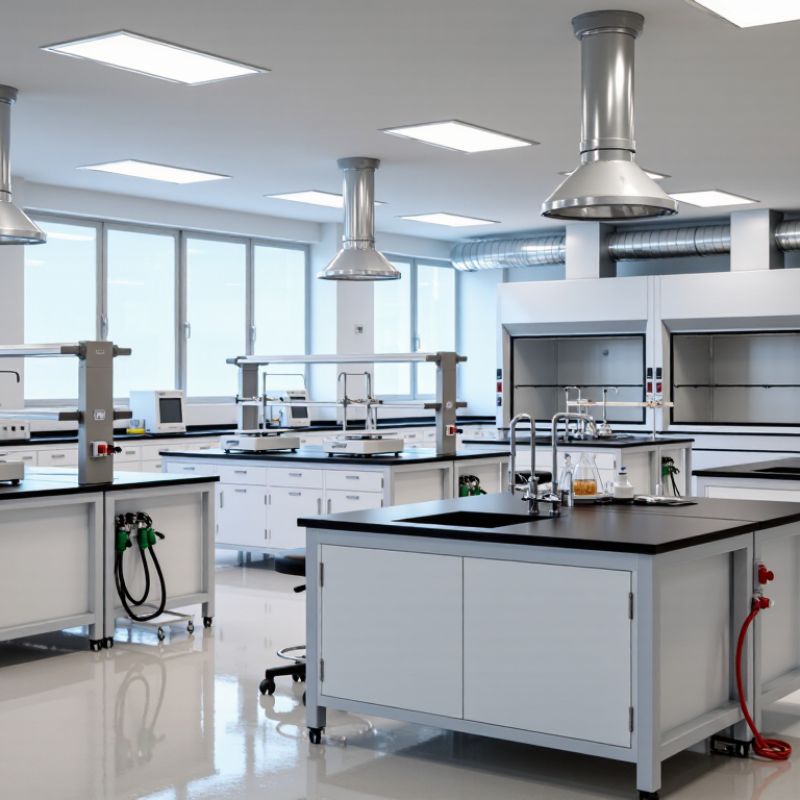
Define Laboratory Tasks and Safety Requirements
Before choosing a chemistry lab table, list the work it must support: routine weighing, wet experiments, instrument use, or sample preparation. Each task brings different demands. A balance needs a stable, low-vibration surface; sinks and wash bottles need splash-tolerant finishes. Note chemical contact, heat exposure, stored loads, and whether equipment must be moved often. OSHA’s Laboratory Standard requires a Chemical Hygiene Plan, making written hazard review a practical starting point. The U.S. Bureau of Labor Statistics recorded 5,283 fatal work injuries across all U.S. workplaces in 2023. That figure is not laboratory-specific, but it reinforces the value of assessing risks before setup.
Tip: Match materials to actual exposure. Check the finish against your chemical inventory, not a vague “chemical-resistant” claim. Sketch where people stand, where waste collects, and how emergency access stays clear. I once overlooked a small instrument’s cable reach; it changed the whole layout. Measure twice.
Then define safety requirements with the lab’s safety officer. Consider spill containment, cleanability, load capacity, edge details, and compatibility with ventilation equipment. A table is not a fume hood, and it should never replace required engineering controls. Record the heaviest planned instrument and the largest containers used during normal work. If tasks may change, leave room for reassessment; a little extra space can help, though too much can encourage clutter. Tie each requirement to a specific task or hazard before comparing table specifications.
Assess Table Size, Load Capacity, and Storage
Before ordering a chemistry lab table, measure the actual work zone, not just the room. Include the instrument footprint, cable clearance, and space for a stool or cart. A balance near an aisle can be bumped; a table that is too deep can block access to nearby equipment. Leave room.
Estimate the combined weight of instruments, samples, and routine supplies, then ask for the rated capacity and test method. Check whether the rating applies to an evenly distributed load or a concentrated point load. NIOSH’s 1994 Revised NIOSH Lifting Equation Applications Manual uses 51 pounds as a load constant under ideal lifting conditions. That is an ergonomic reference, not a safe-load rating for a table. I still find that distinction easy to overlook.
Plan storage around daily tasks. Drawers suit small tools, while shelves can hold frequently used items if their load limits are documented. Keep heavy equipment low, and avoid storing incompatible materials together. OSHA’s Laboratory Standard, 29 CFR 1910.1450, requires a Chemical Hygiene Plan with relevant work practices and control measures. Match storage choices to that plan, and verify furniture performance against laboratory-furniture testing guidance such as SEFA 8. A tidy cabinet is useful, but only if its contents remain accessible and clearly organized.
Review Utilities, Adjustability, and Ergonomics
When comparing chemistry lab tables, map the utilities you actually use: power outlets, water, drainage, data connections, and any required service lines. Check where each connection sits and whether cords or hoses would cross a walking path. A table may look suitable in a catalog but feel awkward once equipment is placed on it. Confirm utility locations and installation needs with your facilities team before ordering.
Adjustability matters when tasks vary. A height-adjustable surface can support seated instrument work and standing tasks, but check its usable range with the people who will use it. Test the controls and look beneath the table for enough knee and foot clearance. Small details matter. Make sure shelves, drawers, or support bars do not block a chair or force someone to twist while reaching for common tools.
Ergonomics also depends on what sits on the work surface. Place frequently used items near the front, and keep heavier equipment within a comfortable reach rather than above shoulder height. Rounded edges and a stable frame can make long sessions more comfortable, though they do not replace good posture or sensible task layout. Test it in person. I have seen a seemingly minor mismatch, such as a stool that leaves feet dangling, make a well-equipped station tiring to use. A quick mock setup with actual equipment can reveal problems that a specification sheet misses.
Check Compliance, Warranty, and Total Cost
Before buying a chemistry lab table, ask which safety and performance standards apply to your facility. Requirements may vary by location and the work being done. Request written documentation for chemical resistance, maximum load, and any included sink or electrical components. A smooth finish proves little. Check how the surface responds to the specific acids, solvents, and cleaning agents used in your lab. If the supplier cannot provide clear test information, treat that uncertainty as a purchasing risk.
Read the warranty before comparing prices. Confirm whether it covers the tabletop, frame, finish, and hardware, and note exclusions for chemical spills or improper cleaning. Check who pays for shipping and labor if a repair is needed. Also ask how claims are submitted and how quickly replacement parts are usually available. Small print matters.
The purchase price is only one part of the total cost. Include delivery, assembly, plumbing or electrical work, and any floor anchoring your room requires. A low quote may omit installation. Add likely maintenance costs, such as replacement work surfaces or special cleaners, over the table’s expected service life. Compare quotes with matching dimensions, load ratings, and accessories; otherwise, the cheaper option may not be comparable. It is easy to overlook downtime, too: a delayed replacement can leave a work area unusable. Estimates are imperfect, so leave room in the budget for surprises.
 English
 Česká republika
 Deutsch
 Dutch
 Polska