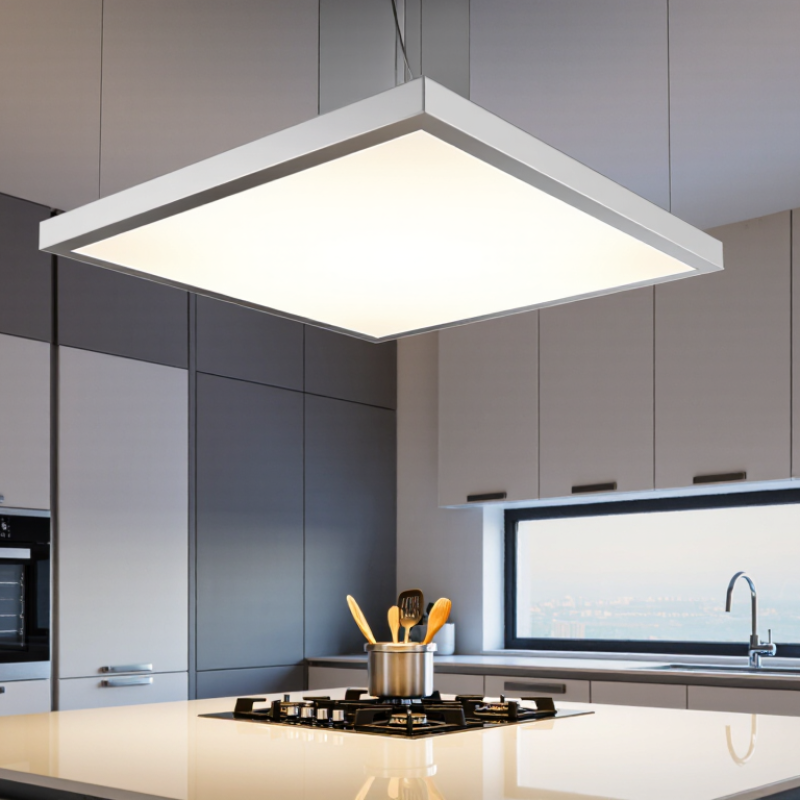
What Is a Square Light and How Do You Choose One?
A Square Light is a lighting fixture with a square-shaped body or illuminated panel. You may see one in a kitchen ceiling, above a bathroom mirror, or built into a desk lamp. Its clean edges suit modern rooms, but appearance is only part of the decision. A fixture that looks right can still cast harsh shadows or leave a corner dim. Small details matter.
Choosing one starts with the space and the task. Measure the mounting area, then consider how much light the room needs. Lumens indicate brightness; color temperature describes whether the light looks warm or cool. For a kitchen work surface, a brighter, neutral tone may help reveal details. In a bedroom, warmer light can feel calmer. Check the product’s color-rendering information too, especially where accurate colors matter. Not every label makes comparison easy.
Then look at installation, controls, and construction. Confirm whether the light fits your ceiling, uses a compatible dimmer, and suits the room’s moisture conditions. A flush panel may work well under a low ceiling, while a pendant creates a more visible focal point. Think about maintenance as well: integrated LEDs can be convenient, but replacing the entire fixture may be less appealing later. I have seen people focus on shape and forget the switch. It happens. This guide explains common Square Light designs and practical ways to compare them, so you can choose with fewer guesses and a clearer sense of what will work in your room.
What a Square Light Is and How It Produces Illumination
A square light is a fixture with a square face or housing. Its shape describes the visible form, not how it makes light. Many modern square fixtures use light-emitting diodes (LEDs), which convert electrical energy into light inside semiconductor chips. A driver regulates power, while a diffuser spreads the output across the panel. The result can be an even glow rather than a bright point. Some fixtures sit flush against a ceiling; others hang below it. The details matter: a shallow panel may suit a low ceiling, while a deeper fixture can create more visual presence.
Light leaves the LED chips and passes through the diffuser, which softens harsh spots and helps distribute illumination. Output depends on more than shape. Lumens describe the amount of visible light, while color temperature describes whether it appears warm or cool. The U.S. Department of Energy’s LED Lighting facts notes that LEDs use at least 75% less energy and can last up to 25 times longer than incandescent lighting. That comparison describes the technology, not every square fixture’s performance. A poorly chosen diffuser or placement can still leave a desk dim. That part is easy to overlook.
Tips: Check the fixture’s lumen rating and color temperature before choosing by appearance alone. For a kitchen work surface, look for clear, even light without glare on glossy counters. In a bedroom, softer, warmer light may feel more comfortable. Measure the ceiling opening, too. A square face can hide a round cutout, but not always.
Common Types and Where Square Lights Are Used
Square lights come in several forms, and each suits a different job. Recessed square downlights sit nearly flush with ceilings, making them useful in kitchens, hallways, and offices with limited headroom. Surface-mounted square fixtures are easier to access and work well in utility rooms or older homes. Larger LED panels spread light evenly across offices, classrooms, and clinics. For dining areas or bedside corners, square pendants add focused light and a clear visual shape. Small detail. Big difference.
Check the room before choosing. A narrow beam can leave dark patches on a kitchen counter, while a broad diffuser may feel flatter but light the whole work surface. Warm white often feels softer in bedrooms; cooler white can help reveal detail in workshops. For bathrooms or covered outdoor areas, check the fixture’s damp- or wet-location rating. Efficiency matters, too. The U.S. Department of Energy’s Energy Saver guidance says residential LEDs use at least 75% less energy and can last up to 25 times longer than incandescent bulbs. That comparison is useful, though real savings depend on use and installation. I would not choose by shape alone; glare from a bright square panel can still be tiring.
Key Features That Affect Light Quality and Performance
A square light spreads illumination through a flat, geometric panel, often making it useful for ceilings, work areas, or kitchens. Light quality depends on more than shape. Check the lumen output to estimate brightness, then consider the room’s size and surface colors. A compact room with pale walls may need less output than a dark hallway. Color temperature also changes the feel: warm white feels softer, while cooler white can help tasks look crisp. Neither is universally better.
Tips: Look for a high color-rendering index when accurate color matters. Check whether the light dims smoothly, and confirm that the dimmer is compatible. Small details matter.
Diffusion affects comfort. A well-frosted cover can soften bright points, while a bare or uneven panel may cause glare when viewed from a chair or desk. Check for flicker, especially if the light will be used for reading or close-up work. Also compare the fixture’s dimensions with the ceiling space and note how it handles heat. I have found that specifications cannot fully predict how a light feels in a real room. A sample or returnable option can help, though this extra step takes time. A balanced choice considers brightness, color, glare, controls, and installation—not just appearance.
How to Choose the Right Size, Brightness, and Color Temperature
A square light should fit the room’s scale, not just the ceiling opening. Compare the fixture’s width with nearby features, such as a dining table or kitchen island, and check the manufacturer’s cutout dimensions before ordering. Then choose brightness by lumens, not watts. The U.S. Department of Energy explains that lumens measure light output; about 800 lumens is comparable to a traditional 60-watt incandescent bulb. That is a useful reference, not a complete room-lighting plan. Dark walls and high ceilings can make a space feel dimmer.
Color temperature changes the mood. DOE guidance groups 2700–3000 kelvin as warm white, 3500–4100 kelvin as cool white, and 5000–6500 kelvin as daylight. Warm light often suits bedrooms and relaxed living areas; neutral white can make kitchen worktops easier to see. Match nearby fixtures where possible, or adjoining rooms may look oddly different. Real rooms rarely behave like specification sheets.
Tips: Before buying, check whether the square light is dimmable and whether your dimmer is compatible. If possible, view a sample after dark; a bright, cool panel can feel harsher than expected. Do not overlook glare. A diffuser and thoughtful placement matter as much as the advertised lumen figure.
Installation, Compatibility, and Ongoing Care of Square Lights
A square light should sit evenly against the ceiling, with its edges clear of joists and trim. Before buying, measure the opening and check whether the fixture is recessed, surface-mounted, or suspended. For recessed models, compare the cutout size, housing depth, and ceiling clearance with the product specifications. Measure twice. A tidy fit can still conceal a mismatch.
Check the supply voltage, dimmer type, and connector before installation; a dimmer that is incompatible with an LED driver may cause flicker or limited brightness. In bathrooms or covered outdoor areas, verify the fixture’s damp- or wet-location rating. Follow the installation instructions, switch off power at the breaker, and use a qualified electrician if wiring or ceiling conditions are uncertain. The U.S. Department of Energy’s Energy Saver guidance says LEDs use at least 75% less energy and can last up to 25 times longer than incandescent lighting. That longer service life still depends on suitable operating conditions.
Ongoing care is simple, but not optional. Switch off the light, let it cool, then wipe the diffuser with a soft, dry cloth; avoid abrasive cleaners and excess moisture. Keep ventilation openings clear, and watch for recurring flicker, unusual heat, or a loose mounting plate. Dust can dull the output. I would not assume every square fixture is sealed just because its face looks smooth; check its rating and care instructions before cleaning.
What Is a Square Light and How Do You Choose One? — Installation, Compatibility, and Ongoing Care of Square Lights
| Square Light Type | Typical Applications | Mounting and Installation | Compatibility Checks | Ongoing Care |
|---|---|---|---|---|
| Recessed square downlight | General or task lighting in ceilings, such as kitchens, hallways, and offices. | Fits into a ceiling cutout. Check the fixture’s cutout dimensions, ceiling depth, and required clearance before installation. | Confirm the supply voltage, driver requirements, dimmer compatibility, and whether insulation contact is permitted. | Switch off power before cleaning. Dust the trim and lens with a soft, dry cloth; replace or service the unit if it flickers or is damaged. |
| Surface-mounted square light | Rooms where a recessed cavity is unavailable or access above the ceiling is limited. | Attaches to the ceiling surface using its mounting plate or bracket. Secure the fixture to a suitable structural point. | Check the mounting method, electrical connection, fixture weight, and dimmer or control requirements. | Clean the outer surface and diffuser gently. Keep ventilation openings clear if the fixture has them. |
| Square LED panel | Even, broad-area lighting in offices, classrooms, and other large interior spaces. | May be recessed, surface-mounted, or suspended, depending on the model and ceiling system. Use the mounting method specified for the fixture. | Verify panel dimensions, driver specifications, supply voltage, control type, and compatibility with any dimming system. | Remove dust from the diffuser with a soft cloth. Do not open a sealed driver or panel unless the manufacturer’s instructions allow it. |
| Square bathroom or outdoor light | Bathrooms, covered entrances, porches, and other locations where moisture or dust may be present. | Install only in locations permitted by the fixture rating and local electrical requirements. Keep seals and cable entries correctly fitted. | Check the IP rating against the exposure. For example, IP44 provides protection against splashing water; IP65 is dust-tight and protected against water jets. The rating does not replace local code requirements. | Clean with a soft cloth and mild cleaner if permitted. Inspect the housing and seals periodically; replace the unit if water enters or parts are cracked. |
| Square emergency light | Exit routes and other areas where emergency illumination is required by the applicable building or safety rules. | Mount in the locations and orientation specified for the emergency system. Installation and testing may be subject to local requirements. | Check whether it uses a self-contained battery or a central emergency supply, and confirm the required test and monitoring arrangements. | Follow the stated test schedule and keep a record of checks where required. Replace batteries or units according to their service instructions. |
Choosing tip: Match the light to the room, ceiling construction, required brightness and color appearance, moisture exposure, and available controls. Electrical installation should be carried out by a qualified person where required by local rules.
English
Česká republika
Deutsch
Dutch
Polska