What is a Pcb Board and Why is it Important?
In the electronics industry, the significance of a Pcb Board is undeniable. A PCB, or printed circuit board, serves as the backbone of nearly all electronic devices. According to a recent market report by Fortune Business Insights, the global PCB market is projected to reach $100 billion by 2028, reflecting a compound annual growth rate of 5.6%.
Expert John Smith, a leading authority in PCB design, states, "The quality of a PCB board directly influences the performance and reliability of electronic products." This highlights the crucial role PCBs play in ensuring that devices function optimally. The reliability of a PCB can differ widely, and it can sometimes lead to device failures if not designed appropriately.
As technology evolves, so does the complexity of PCB boards. With miniaturization and increased connectivity, the importance of precise design becomes even more pronounced. More efficient manufacturing processes will challenge companies to maintain quality while meeting rising demands. Balancing cost and reliability remains an ongoing concern within the industry.
What is a PCB Board?
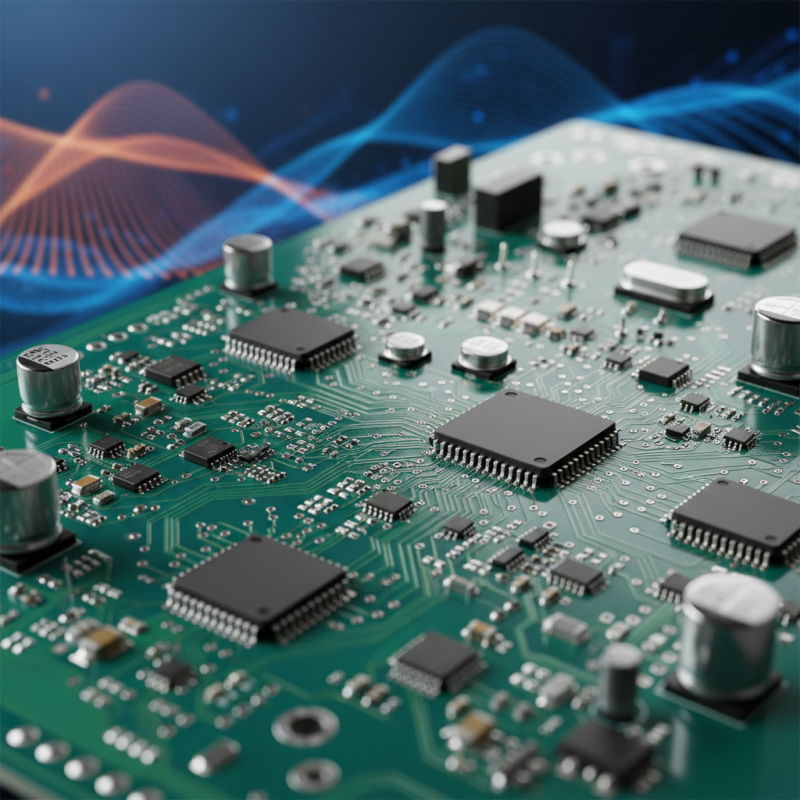
A PCB board, or printed circuit board, serves as the backbone of most electronic devices. It provides both electrical connections and physical support for components like resistors and capacitors. Designing a PCB is quite intricate. Engineers must consider routing pathways for electricity while ensuring all parts fit snugly. A small design mistake can lead to malfunction or failure.
PCBs come in various types, such as single-sided, double-sided, and multilayer. Each type serves different applications. Single-sided boards are simpler and cheaper. On the other hand, multilayer boards allow for complex circuits in a compact space. The choice of material also varies, influencing durability and conductivity. While some printed circuit boards are robust, others struggle under high heat or humidity. Testing is essential before finalizing any design.
Despite their significance, not all PCBs meet the required standards. Some may face issues like short circuits or poor connectivity. It's crucial to evaluate the quality of a PCB. Reliable manufacturers follow stringent quality control processes. Designers and engineers should always strive for improvement. Making the right decisions early on can greatly enhance product reliability and performance.
Components of a PCB Board
A PCB board, or printed circuit board, is vital in modern electronics. Understanding its components helps in appreciating its role. A typical PCB layout includes various essential parts.
The core component is the substrate. It supports and insulates other elements. Usually made of fiberglass or epoxy, it is both durable and lightweight. Next are the conductive pathways. These are usually copper traces that connect different components. The design of these pathways affects the efficiency of electrical flow. An effective layout minimizes interference and optimizes performance.
Components like resistors, capacitors, and integrated circuits populate the board. Resistors limit current, while capacitors store energy. Integrated circuits integrate multiple functions into one compact package. Each component must be placed correctly for optimal function. Misplaced components can lead to failures. Testing different layouts can produce valuable learning experiences. This iterative approach fosters better design and understanding of electronics.
The Manufacturing Process of PCB Boards
The manufacturing process of PCB boards is intricate and vital. It begins with material selection. Manufacturers typically use fiberglass for its durability. This substrate is essential for board stability.
Once the substrate is chosen, designers create a layout. This blueprint includes traces that connect components. Precision is crucial here. A minor mistake in the design can lead to significant failures in functionality.
After layout approval, the next step is etching. Chemicals remove unwanted copper from the board. This process defines conductor paths. It requires both skill and attention. Quality control comes into play at this stage to ensure reliability. Testing follows, often under extreme conditions. The need for rigorous testing highlights its importance in modern electronics. Potential issues must be identified early to avoid future failures.
PCB Manufacturing Metrics
This chart summarizes key metrics involved in the manufacturing process of PCB boards. It includes data on the primary materials used, average manufacturing time, production costs, defect rates, and quality scores.
Applications of PCB Boards in Electronics
Printed Circuit Boards (PCBs) play a crucial role in electronic devices. They serve as the backbone for various components, providing a stable platform for connections. In consumer electronics, PCBs enable the functionality of smartphones, tablets, and computers. They allow multiple components to interact seamlessly, which is essential for any electronic operation.
In the automotive industry, PCB boards are vital for modern vehicles. They manage complex systems like navigation and stability control. Without reliable PCBs, these systems would fail, compromising safety and efficiency. Industrial machines also depend on PCBs for operations, controlling everything from motors to sensors. However, sometimes they can be prone to failures due to environmental factors, such as humidity or extreme temperatures. Addressing these issues requires careful design and testing.
In medical devices, PCBs ensure high reliability. They control critical functions in life-saving equipment. Yet, the stakes are high; a single failure can lead to severe consequences. This necessitates stringent quality standards in PCB manufacturing. As technology evolves, the role of PCB boards continues to expand, but challenges remain. The need for innovation is constant, especially in reducing size while enhancing performance.
The Importance of PCBs in Modern Technology
Printed Circuit Boards (PCBs) play a vital role in modern technology. They serve as the backbone for nearly all electronic devices. Without them, our smartphones, computers, and even household appliances would not work. A PCB provides the necessary electrical connections to support various components. This structure allows components to communicate effectively, ensuring the device functions smoothly.
The design and materials used in PCBs are crucial. High-quality materials can enhance performance, while poor choices can lead to failures. Many devices require compact PCBs to fit into tight spaces. This creates challenges for engineers who must balance size and functionality. Innovation in PCB design can lead to improved performance, but it also requires meticulous planning. Each layer of a PCB must be carefully thought out. Mistakes can cause significant setbacks.
Moreover, as technology advances, the importance of PCBs continues to grow. The demand for more complex and efficient boards is rising. However, maintaining reliability in high-performance situations remains a challenge. Engineers must constantly adapt to new technologies while ensuring safety and durability. This ongoing evolution highlights the intricate relationship between technology development and PCB design. It is a field that requires both expertise and creativity.
 English
  Česká republika
 Deutsch
 Dutch
Dutch Polska