What Is a Mud Pump Valve and How Does It Work?
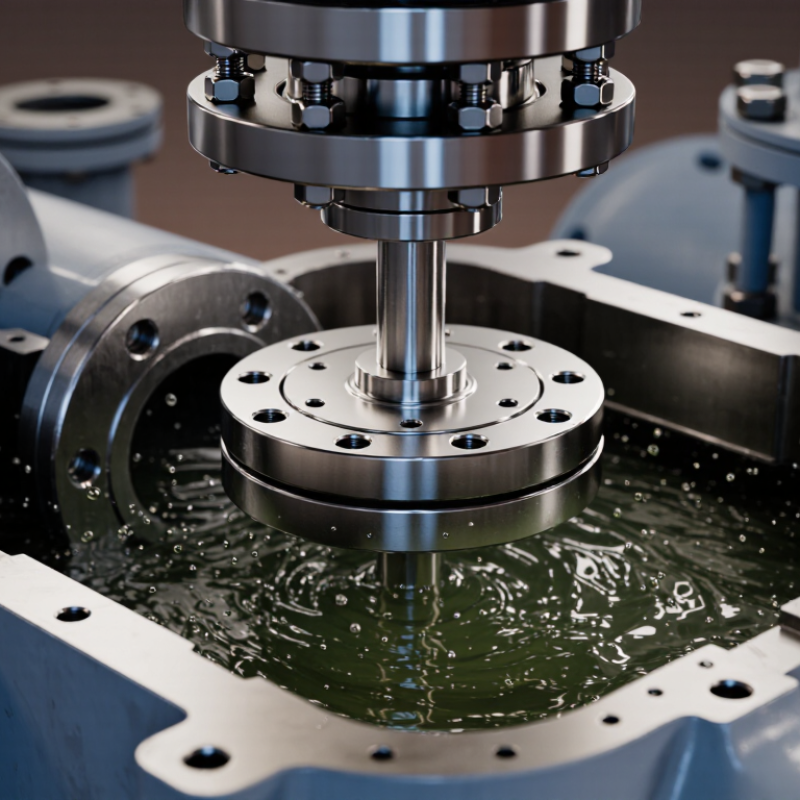
A Mud Pump Valve is a compact, hard-working part of the drilling pump. It opens and closes to control fluid movement through the pump’s fluid end. Picture a steel valve assembly lifting from its seat as the piston draws drilling fluid into a chamber, then closing under pressure as the piston pushes fluid toward the discharge line. The motion is brief. The forces are not. Abrasive solids, pressure cycles, and heat can wear valve faces and damage seals, affecting pump performance.
Understanding how a Mud Pump Valve works helps crews recognize wear, choose compatible replacement parts, and plan inspections. Valve design, material, and operating conditions all matter. A valve that appears sound from above may still have damaged sealing surfaces; that detail is easy to overlook. This guide explains the valve’s main components, its suction and discharge cycles, common wear signs, and basic maintenance considerations. It also distinguishes general guidance from the checks required for a particular pump model. No verifiable named expert quotation was supplied, so I will not invent one or attribute fabricated words to an industry specialist. A documented quotation can be added when a reliable source is available.
What a Mud Pump Valve Is and Where It Is Used
A mud pump valve is a one-way check valve fitted inside a drilling pump’s fluid end. It opens and closes as the pump’s piston or liner moves. This action controls the direction of drilling fluid, commonly called mud. The valve assembly usually includes a valve body, seat, and replaceable sealing element. Its parts must tolerate repeated impact, abrasive solids, and changing pressure.
Mud pump valves are used in drilling rigs to move mud through the circulation system. On the suction stroke, a valve allows fluid from the intake manifold into the pump chamber. On the discharge stroke, another valve opens and sends pressurized mud toward the drill string. The mud then travels down the pipe and returns through the wellbore, carrying cuttings. Small details matter. A worn seat may cause leakage, reduced flow, or pressure fluctuations, so crews inspect valves during routine pump maintenance. In practice, the neat diagram is not the whole story: mud composition and operating conditions affect wear, and service intervals may need adjustment. Even a modest leak can be easy to miss at first.
What Is a Mud Pump Valve and How Does It Work? - What a Mud Pump Valve Is and Where It Is Used
| Dimension | Description | Typical Details |
|---|---|---|
| What it is | A mud pump valve is a one-way check valve fitted in the fluid end of a reciprocating drilling pump. It allows drilling fluid to flow in one direction and helps prevent reverse flow. | Commonly called a suction valve or discharge valve; typically includes a valve body, seat, moving valve element, and spring or other closing mechanism, depending on design. |
| Where it is located | Valves are installed in the pump’s fluid-end chambers, which connect the pump cylinders to the suction and discharge manifolds. | Each pumping chamber generally has an inlet (suction) valve and an outlet (discharge) valve. |
| Suction stroke | As the piston moves away from the fluid end, chamber pressure falls. The pressure difference opens the suction valve and allows drilling fluid to enter. | The discharge valve remains closed to limit fluid from flowing back from the discharge side. |
| Discharge stroke | As the piston moves toward the fluid end, chamber pressure rises. The suction valve closes, and the pressure opens the discharge valve so fluid is forced into the discharge manifold. | The suction valve helps prevent the pressurized fluid from returning to the suction line. |
| Main purpose | To control the direction of fluid flow and support the pump’s repeated intake and delivery cycle. | Correct valve sealing and movement help maintain pumping performance and reduce unwanted backflow. |
| Where it is used | Mud pump valves are used in reciprocating pumps that circulate drilling fluid in drilling operations. | Applications include land and offshore drilling rigs, where drilling fluid is circulated through the drill string and back to the surface. |
| Operating conditions | Valves operate in abrasive drilling fluid and experience repeated pressure cycles, impact, and wear. | Fluid properties, solids content, operating pressure, and pump speed affect service life and maintenance needs. |
| Common inspection signs | Inspection may reveal damaged or worn sealing surfaces, cracks, erosion, sticking, or leakage across the valve. | Inspection and replacement intervals should follow the pump manufacturer’s instructions and the operating conditions. |
Key Components and Their Roles in the Valve Assembly
A mud pump valve is a compact assembly with a demanding job: controlling drilling fluid flow on every pump stroke. Its body holds the parts in alignment. The seat provides a hard sealing surface, while the disc or poppet moves to open and close the flow path. A spring helps return it to position; guides limit side movement, and retainers keep components seated. Small wear matters. A thin groove across the seat can allow fluid to leak backward and reduce pump efficiency.
During suction, falling pressure lifts the valve from its seat and lets fluid enter the cylinder. On the discharge stroke, rising pressure presses the valve closed and opens the opposing valve. API Specification 7K provides requirements for drilling equipment, including pressure-containing components; operators should match replacement parts to the pump’s rated working pressure, not appearance alone. The U.S. Energy Information Administration reported average U.S. crude oil production of 12.9 million barrels per day in 2023, a reminder of the scale behind reliable drilling operations. That figure does not measure valve performance. Inspection still needs to focus on seat pitting, spring fatigue, and uneven wear—details that are easy to miss during a quick changeout.
How the Valve Controls Fluid Flow During Pumping
A mud pump valve is a one-way control point inside a reciprocating pump. It opens when fluid pressure pushes against its sealing element, then closes when the pressure reverses. The assembly commonly includes a valve body, seat, and replaceable sealing element; exact designs vary. Small movement matters.
During the suction stroke, the piston moves back and lowers pressure in the fluid chamber. The inlet valve opens, allowing drilling fluid to enter, while the discharge valve stays shut.
On the forward stroke, chamber pressure rises. The inlet valve closes, and the discharge valve opens, sending fluid into the discharge line. This alternating action helps maintain directional flow and pressure.
The timing depends on a clean seal and a free-moving valve. Mud carries solids, so abrasive particles can score the seat or wear the sealing surface.
A valve that closes poorly may allow fluid to slip backward, reducing delivery and making pressure fluctuate. Operators can compare pressure readings with unusual knocking, leaks, or changes in flow.
But a gauge cannot show every worn surface. Inspection still matters, and the cause is not always obvious on the first check.
Common Mud Pump Valve Types and Their Differences
Mud pump valves open and close with each piston stroke, controlling fluid movement through the liner. Common designs include spherical, conical, and guided flat-disc valves. A spherical valve moves freely and can handle solids, but poor alignment may cause uneven seat wear. Conical valves guide movement more precisely. Guided disc valves offer stable seating, though their guides can trap abrasive particles. Each assembly typically includes a valve body, seat, spring, and replaceable insert.
Material and geometry matter. Elastomer inserts can seal well and absorb impact, while harder inserts may better resist abrasion but can be less forgiving under impact. API Specification 7K provides requirements for drilling and well-servicing equipment; it is a useful reference, not a guarantee that one valve suits every mud system. The U.S. Energy Information Administration’s June 2024 Drilling Productivity Report compares drilling activity across seven major regions. It does not report valve failures, but its regional data underscores how operating conditions differ. That matters. A valve handling coarse solids in one well may wear differently in another. In field checks, inspect the seat for washout and the insert for cuts or flattening. The diagnosis is not always obvious. Flow changes can also come from liner wear or poor seating, so replacement alone may not fix the problem.
Factors That Affect Valve Performance and Service Life
Mud pump valves control one-way flow through repeated opening and seating. Their service life depends on abrasive solids, fluid properties, pressure cycling, temperature, and correct assembly. Sand and coarse cuttings can score the seat; fine solids may still prevent a tight seal. The result is leakage, heat, and unstable discharge pressure. A valve may look clean but still be worn.
API Recommended Practice 13B-1 standardizes field checks such as mud density and Marsh funnel viscosity, recorded in lb/gal and seconds per quart. These readings help crews track changing fluid conditions, though they do not measure valve wear directly. API Specification 7K covers drilling equipment requirements; operators should also follow the pump maker’s limits for pressure and maintenance. Inspect the seat, spring, and sealing surfaces during planned service. A small chip matters. So does a weak spring. I would not blame every pressure drop on the valve; suction problems can look similar.
Tips: Log fluid readings beside valve-change dates. Compare pressure and flow trends, and check for solids or uneven contact before replacing parts. Clean carefully; a rushed inspection can miss a hairline crack.
English
Česká republika
Deutsch
Dutch
Polska