Top 10 Hookah Diffuser Suppliers for Global Buyers
A reliable Hookah Diffuser supplier should offer more than an attractive catalogue. Buyers need clear material specifications, consistent dimensions, dependable packaging, and responsive communication. Small details matter. A poorly fitted diffuser can wobble on the stem, while uneven openings may affect airflow and cleaning. These are practical checks, not claims of guaranteed performance.
As [verified industry expert’s name] puts it, “[Insert a sourced, accurately attributed quotation about product quality or supplier evaluation].” This quotation should be confirmed before publication. In this guide, we compare ten suppliers using buyer-focused criteria, including product range, customization options, quality-control information, sample availability, and export support. We also consider how clearly each supplier describes its products. That clarity is easy to overlook.
The right partner depends on your market, order size, and product requirements. A small retailer may value low minimum quantities and ready-to-ship stock. A distributor may care more about stable production capacity, documented inspections, and predictable lead times. Ask for specifications in writing. Request samples when possible. Check how the diffuser fits, feels, and cleans under ordinary use. No supplier is perfect, and public product information can leave important gaps. Treat this list as a starting point for careful comparison, not a substitute for direct verification.
What a Hookah Diffuser Is and How It Works
A hookah diffuser is a small attachment fitted to the submerged end of the downstem. It usually has several narrow openings instead of one wide outlet. As air passes through those openings, it forms many smaller bubbles in the water. The result is often a quieter bubbling sound and a less turbulent draw. It does not create smoke or clean it.
The effect depends on the diffuser’s design and how it fits. A snug attachment helps prevent wobbling, while the number and size of openings can change airflow. More holes do not automatically mean a better experience. If the draw feels unusually tight, the openings may be too small, partly blocked, or poorly matched to the setup. Small details matter.
Diffusers can also collect residue, so regular cleaning is practical. Remove the attachment, rinse it, and check each opening for buildup. A narrow brush can help, but avoid tools that might damage the material. Water may cool smoke, but it does not make it harmless or remove every harmful substance. That distinction is easy to overlook. A diffuser changes how air moves; it is not a safety device.
Key Types and Materials Used in Hookah Diffusers
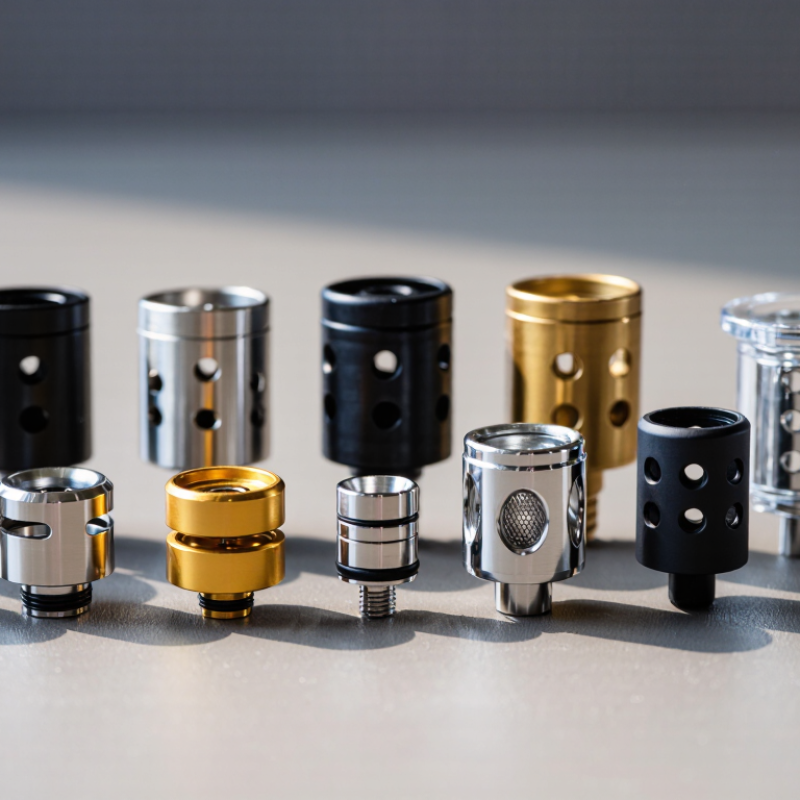
Hookah diffusers generally fall into two designs: fixed and removable. A fixed diffuser is built into the downstem, while a removable version fits over its end. Both split a large stream of bubbles into smaller ones. This can soften bubbling noise and make water movement feel less abrupt. Small perforations matter: uneven holes may create inconsistent airflow, and an overly tight fit can restrict it. Check the stem diameter and diffuser length before sourcing.
Material affects durability and upkeep. Stainless steel resists corrosion and is straightforward to clean, though thin parts can dent. Food-grade silicone is flexible and less likely to scratch glass, but it should be checked for odor, discoloration, and a secure fit over time. Brass is used in some metal components; buyers should verify its composition and finish rather than assume all alloys behave alike. Details matter.
Tips: Ask suppliers for material specifications, dimensions, and close-up photos of the openings. Test samples in compatible stems before placing a large order. Rinse and inspect the part after use. A diffuser may change bubbling and sound, but it does not make a water pipe safer. One limitation is easy to miss: compatibility claims can be vague, so request measurements in millimeters.
How to Assess Hookah Diffuser Suppliers for Global Trade
For global trade, assess a hookah diffuser supplier beyond catalog photos and quoted prices. Request a current specification sheet covering dimensions, material grade, weight, finish, and connection sizes. Ask how each batch is checked, and request inspection records or sample measurements. Small differences matter: a loose fit or rough edge can trigger complaints and returns.
Order samples from the same production line intended for bulk orders. Compare several units under consistent lighting, then check fit, airflow, and surface finish. Ask about minimum order quantities, production capacity, lead times, export packaging, and replacement terms. Confirm that documents, labels, and product descriptions match the destination market’s requirements. Consult qualified trade or compliance advisers when details are unclear. Keep written records of revisions.
Communication is evidence, too. A dependable supplier answers technical questions clearly and flags limitations before payment. Request references from comparable buyers, but treat them as one signal, not proof. No supplier is perfect. What matters is whether issues are disclosed, measured, and corrected. A sample is useful, but it cannot reveal every production variation.
Top 10 Hookah Diffuser Suppliers and Their Product Offerings
Across a top-ten supplier shortlist, compare diffuser materials and fit options, not just catalog size. Common offerings include removable silicone diffusers, stainless-steel downstem models, glass inserts, multi-hole plates, and compact bubble-control sleeves. Some suppliers provide several stem diameters, replacement parts, sample orders, and custom packaging. Clear measurements matter: a diffuser that looks suitable may not fit a narrow stem.
Check product drawings, material specifications, minimum order quantities, and batch inspection records before buying. The World Health Organization’s 2015 Advisory Note reports that a typical waterpipe session may involve inhaling 100–200 times the smoke volume of one cigarette. This is health context, not proof that a diffuser reduces risk. Reliable suppliers should avoid unsupported health claims and state what their products can—and cannot—do. A fit chart can still miss small variations, so test a sample.
Tip: Measure the stem’s inner diameter and diffuser length, then request a matching sample before placing a bulk order.
How Global Buyers Can Compare and Verify Suppliers
How Global Buyers Can Compare and Verify Suppliers
Global buyers comparing hookah diffuser suppliers should look beyond unit price. Request dated specifications, material declarations, dimensional drawings, and batch inspection records. For each diffuser, check connector fit, airflow, and cleaning access using a physical sample. A polished photo cannot reveal a loose joint. The World Bank’s 2023 Logistics Performance Index assessed 139 economies across six dimensions, including tracking and timeliness. These are useful benchmarks when reviewing shipment visibility and delivery history.
Ask for quotations that clearly list minimum order quantities, tooling charges, packaging, delivery terms, lead times, and replacement conditions. Compare equivalent offers. UNCTAD’s Review of Maritime Transport 2024 reports that shipping carries over 80% of global trade by volume, so confirm the proposed route, port, and contingency plan. Verify certificates with their issuers, and check whether test results cover the exact materials and model offered. A fast reply is helpful, but vague evidence deserves a second look. No checklist is perfect.
Tips: Order samples from shortlisted suppliers and assess fit, finish, and airflow under the same conditions. Confirm payment details through a trusted contact channel, and keep signed specifications. Small checks matter. An audit does not guarantee every batch will match, so request recent inspection records and follow up after delivery.
 English
 Česká republika
 Deutsch
 Dutch
 Polska