What to Expect from Automated Storage Systems at 2026 Canton Fair?
As the 2026 Canton Fair approaches, the spotlight turns to innovative solutions like the Automated Storage System. This year’s event spans several key sectors, including advanced manufacturing and electronics. With an expanded exhibition area of 1.55 million square meters, the fair promises to showcase cutting-edge technologies.
Automated Storage Systems are designed to enhance efficiency and streamline operations. These systems can improve inventory management and reduce labor costs. Attendees might witness various implementations, from compact solutions to large-scale applications. Visitors should consider the implications of such technologies on their businesses.
While the benefits are clear, there are challenges to address. Integration with existing operations can be complex. Additionally, the reliance on automation poses questions about workforce impact. As we look forward to the fair, the dialogue surrounding Automated Storage Systems will remain crucial for suppliers and buyers alike.
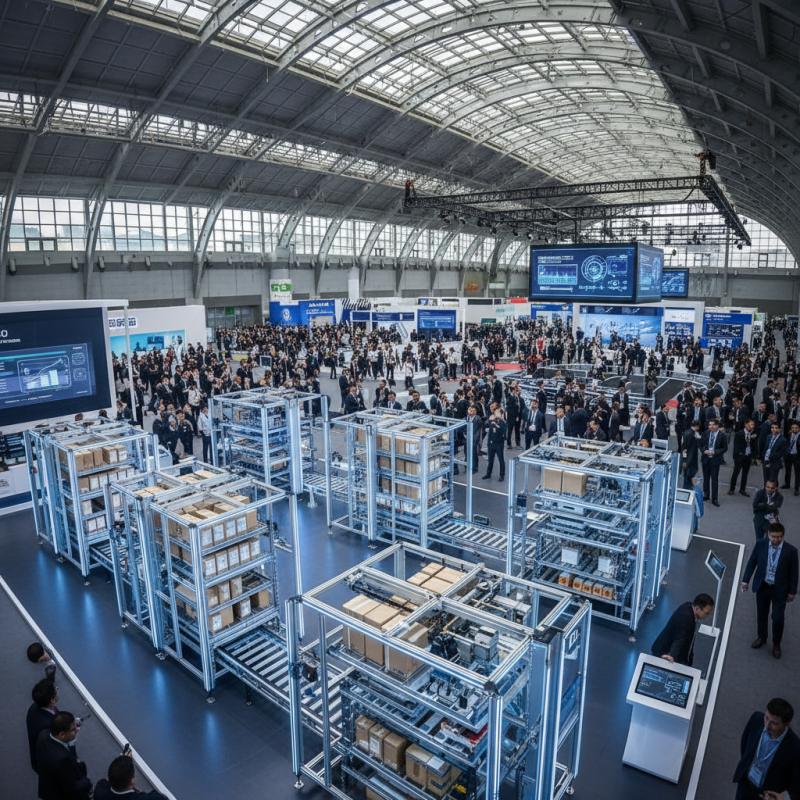
Overview of Automated Storage Systems at Canton Fair 2026
As the 2026 Canton Fair approaches, anticipation builds around automated storage systems. These systems promise to revolutionize how goods are stored and managed. Exhibitors will showcase innovative solutions designed to increase efficiency and reduce labor costs. Automated racking, retrieval systems, and AI integration will feature prominently. Attendees can expect to see live demonstrations of these technologies in action.
The fair will provide a platform for discussions on the strengths and limitations of automated storage. While these systems offer remarkable speed, they may lack flexibility. Some designs may not adapt easily to various product sizes or types. This limitation could hinder businesses eager to implement these solutions. Attendees should engage in conversations about these challenges. Reflecting on user experiences can guide improvements in system design.
Networking will be crucial at the event. Knowledge sharing can inspire new ideas and innovations. Visitors may discover that every system has its quirks. Some may require more maintenance than others. Overall, the Canton Fair will be a hub for insights into the future of warehouse management. Expect a mix of excitement and critical evaluation as the industry moves forward.
Automated Storage Systems Trends at Canton Fair 2026
Key Trends in Automation Technologies for Storage Solutions
As the 2026 Canton Fair approaches, the focus on automated storage systems intensifies. Key trends in automation technologies are shaping the landscape of storage solutions. Robotics and artificial intelligence are leading the charge. These systems promise to improve efficiency in inventory management.
Many companies are adopting modular storage systems. They offer flexibility to adapt to changing demands. However, integrating these technologies can be daunting. Staff training remains a significant challenge. Overlooking this aspect can lead to inefficiencies. Automation cannot fully replace human oversight.
Tips for successful implementation include identifying specific needs. Understand your current workflows before adding technology. Test the systems on a small scale first. This step can reveal unexpected issues. It allows for adjustments without major disruptions. Moreover, investing in ongoing staff training is crucial. Employees must feel comfortable with new systems to maximize their potential.
In a rapidly evolving market, staying updated is essential. Regularly assess new technologies emerging in the field. Implementing automation in storage can lead to remarkable improvements. However, a thoughtful approach is essential to avoid pitfalls. Balancing technology and human input will define future successes.
What to Expect from Automated Storage Systems at 2026 Canton Fair? - Key Trends in Automation Technologies for Storage Solutions
| Trend | Description | Expected Impact | Implementation Challenges |
| Increased Use of AI | Integration of AI for predictive analysis and inventory management. | Improved efficiency and reduced operational costs. | Data privacy concerns and the need for skilled personnel. |
| Robotic Automation | Use of robotics for picking, sorting, and packing items. | Increased speed and accuracy in storage operations. | High initial investment and maintenance costs. |
| Modular Systems | Flexible storage solutions that can be easily scaled. | Adaptability to changing inventory needs. | Integration with existing systems may be complex. |
| Sustainability Focus | Emphasis on energy-efficient and eco-friendly storage solutions. | Alignment with global sustainability goals. | Higher costs for sustainable materials and technology. |
| Smart Inventory Systems | Implementation of IoT for real-time inventory tracking. | Enhanced visibility and control over stock levels. | Interoperability with different technologies can be challenging. |
Benefits of Implementing Automated Storage Systems
Automated storage systems are revolutionizing the way businesses manage inventory. At the 2026 Canton Fair, these systems will highlight their efficiency. They save time and reduce manual errors. Imagine a warehouse where items are retrieved automatically, minimizing human intervention. This can lead to faster order processing and improved accuracy.
Implementing these systems brings several benefits. They optimize warehouse space, allowing for better organization and less clutter. With increased sustainability, these systems can utilize energy more effectively. However, businesses must consider installation costs and potential technical issues. Some may find the transition challenging. Training staff to operate these new technologies is essential but not always straightforward.
These automated solutions can enhance productivity, but they require careful planning. Understanding the specific needs of a business is crucial. Some companies may face difficulties integrating these systems with existing processes. Reflection on such challenges can lead to smoother implementation in the long run.
Challenges and Considerations for Adopting Automation
As automation becomes crucial in warehousing, many face challenges. The 2026 Canton Fair will showcase cutting-edge automated storage systems. Yet, despite their benefits, companies should consider certain challenges before adopting them. According to a recent industry report, around 40% of companies cite high initial costs as a barrier. The technology may require a hefty investment upfront.
It’s essential to analyze the long-term ROI. A well-implemented system can boost efficiency by up to 70% in the right environments. However, not all spaces are suitable for automation. Some operations may need a blend of both manual and automated processes to optimize performance.
Tips: Start with a pilot program to test the waters. Assess your facility's layout carefully before committing. Furthermore, employee training is vital. Overcoming initial resistance will smooth the transition. Adopting automation without proper analysis might lead to operational hiccups. Always remember, automation isn't a one-size-fits-all solution.
Future Outlook: Innovations in Automated Storage Systems
The 2026 Canton Fair promises a leap in automated storage systems. These innovations aim to transform logistics and warehousing. Expect to see systems that employ advanced robotics and AI. They will enhance efficiency and reduce labor costs.
Amid the excitement, we may encounter challenges. Systems designed for speed may compromise accuracy. It’s vital to assess the balance between speed and reliability. Companies must ensure that speed does not lead to inventory mistakes.
Tips for navigating these changes: focus on employee training. Familiarize your team with new technologies. A knowledgeable workforce will adapt faster. Also, consider incremental implementation. Integrating new systems gradually can help identify potential issues early. It allows for smoother transitions, ensuring your operations run effectively.
 English
  Česká republika
 Deutsch
 Dutch
Dutch Polska