How to Choose the Right Flexible Metal Hoses for Your Needs?
When selecting the right Flexible Metal Hoses for your specific needs, understanding industry trends is crucial. According to a recent report from MarketsandMarkets, the global market for flexible metal hoses is projected to reach $4.5 billion by 2026, growing at a CAGR of 5.4%. This growth highlights the increasing demand for reliable and adaptable piping solutions across various industries.
Dr. John Harrington, a leading expert in flexible hose technologies, stated, "The right selection can significantly enhance system performance and longevity." His insights emphasize the importance of matching hose specifications with application requirements.
Choosing flexible metal hoses is not just a purchasing decision; it's critical for operational efficiency. Different materials and configurations can affect durability and performance under varying conditions. Making an informed choice requires access to reliable data and expert opinions. Reflection on your specific application needs and environmental factors is essential.
Types of Flexible Metal Hoses and Their Applications
Flexible metal hoses are vital in various industries. Selecting the right type depends on your specific needs. Different types offer unique characteristics and advantages.
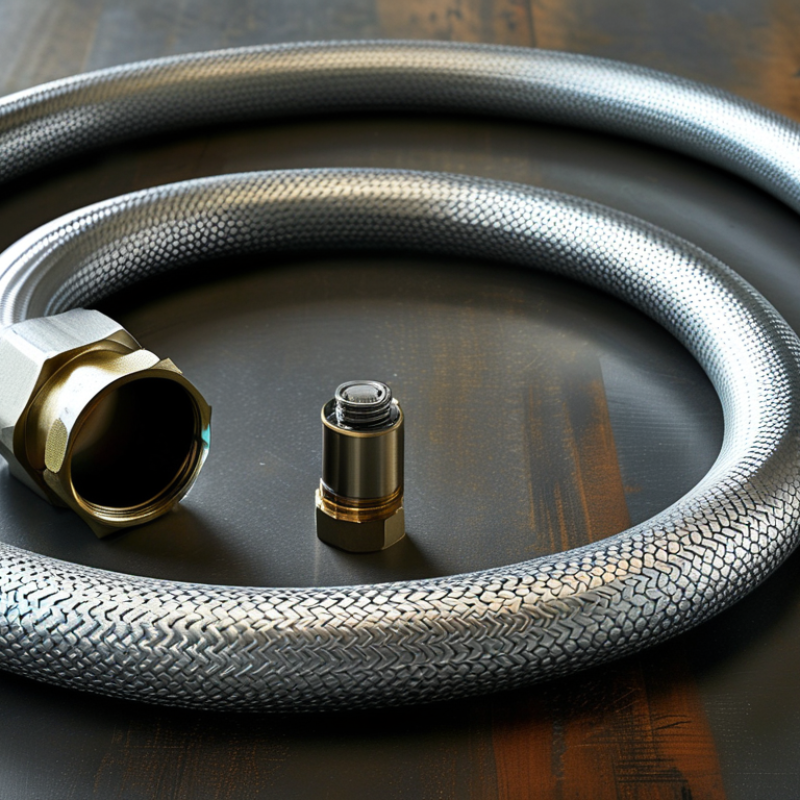
One common type is the corrugated metal hose. It is ideal for high-pressure applications. The corrugations allow the hose to flex while maintaining strength. Another option is the braid-reinforced hose. This type enhances flexibility. It is often used in applications with vibration or movement.
Consider the operating environment when choosing. High temperatures or corrosive substances can damage hoses. A thorough analysis helps avoid failures. Ensure you also check the fittings and connections. Even a small oversight can lead to leaks or breaks. Each detail matters in maintaining safety and efficiency.
How to Choose the Right Flexible Metal Hoses for Your Needs?
| Type of Flexible Metal Hose | Application | Temperature Range | Pressure Rating |
| Stainless Steel Hoses | Chemical transport, food and beverage | -200°F to 1500°F | Up to 2500 psi |
| Corrosion-Resistant Hoses | Petrochemical, wastewater | -60°F to 1200°F | Up to 1500 psi |
| High-Pressure Hoses | Hydraulic systems, industrial machinery | -40°F to 1000°F | Up to 6000 psi |
| Low-Pressure Hoses | Air and gas applications | -40°F to 800°F | Up to 300 psi |
Key Factors to Consider When Selecting Flexible Metal Hoses
When selecting flexible metal hoses, a few key factors stand out. The material choice is crucial. Stainless steel is popular for its corrosion resistance and durability. In environments with extreme temperatures, proper material selection can enhance performance and reliability. According to industry reports, selecting the right alloy can improve lifespan by up to 30%. A thorough understanding of the operating conditions can drive this choice.
Pressure ratings also play a significant role in the selection process. It’s essential to match the hose's pressure capabilities with system requirements. Many flexible metal hoses can handle pressures up to 3,000 psi, but improper usage could lead to failures. Engineers must perform careful calculations to avoid risks. Misjudging this aspect can result in costly downtime or system failures.
Another critical factor is the bending radius. A hose that is too rigid may not fit into tight spaces. In fact, datasets show a 15% increase in failure rates for applications where bend criteria are ignored. Understanding the specific application needs is vital. Small miscalculations can lead to significant issues down the line.
Material Options for Flexible Metal Hoses: Pros and Cons
When choosing flexible metal hoses, understanding material options is crucial. Stainless steel is a common choice. It offers excellent corrosion resistance and durability. The American Society for Testing and Materials states stainless steel can withstand a range of temperatures and pressures, making it ideal for many applications. However, it is expensive compared to other materials.
Another option is carbon steel. This material is less costly and provides good strength. It is often suitable for low-pressure applications. But be cautious. Carbon steel has a higher risk of corrosion when exposed to moisture. Regular maintenance is essential to prolong its lifespan.
Tips: Consider the environment. If your application involves harsh chemicals or extreme temperatures, stainless steel may be necessary. Conduct thorough research. Understand the specifics of your application before making a choice. Always look into the history of the materials you are considering. Data from industry reports suggests that many failures stem from material mismatches.
Copper alloys present a third option. They are known for excellent thermal conductivity. However, they are less flexible, making installation more challenging. They can tarnish over time, necessitating more frequent replacement. It’s vital to evaluate both the initial cost and long-term maintenance needs of each material.
Material Options for Flexible Metal Hoses: Pros and Cons
Understanding Pressure and Temperature Ratings for Flex Hoses
When selecting flexible metal hoses, understanding pressure and temperature ratings is crucial. Flexible hoses are used in diverse applications, from transporting gases to fluids. Each application has unique requirements that can greatly affect performance and safety.
Pressure ratings are vital. They determine how much internal pressure a hose can handle before failure. A common standard, ASME B31.3, states that hoses must withstand at least 1.5 times the maximum expected pressure. For instance, if your application requires 300 psi, look for hoses rated above 450 psi. This gives a safe margin, reducing the risk of leaks and bursts.
Temperature ratings relate closely to the materials used. For example, stainless steel hoses can handle high temperatures up to 1500°F. However, lower-grade materials may fail at much lower temperatures. According to industry reports, approximately 40% of hose failures occur due to improper temperature use.
Understanding these ratings requires careful consideration. You must think about specific conditions, such as environmental factors and the types of media being transported. Choosing the right flexible hose involves balancing these ratings with actual operating conditions. It can be complex, and even seasoned professionals often underestimate the importance of these details in everyday operations.
Installation and Maintenance Tips for Optimal Performance
Choosing the right flexible metal hoses involves understanding installation and maintenance techniques for optimal performance. Proper installation can reduce potential leaks and increase longevity. It’s essential to follow manufacturer guidelines regarding bend radius and connection points to avoid undue stress on the hoses. A report by the American Society of Mechanical Engineers (ASME) highlights that improper installation contributes to up to 30% of hose failures in industrial settings.
Regular maintenance is another critical factor. Inspections should occur every six months, focusing on signs of wear or damage, such as abrasions, kinks, and corrosion. It has been observed that neglecting maintenance can lead to unexpected downtime and costly repairs. According to a study from the National Association of Manufacturing (NAM), routine checks could extend the lifespan of metal hoses by up to 50%.
Consider using proper fittings during installation. Mismatched fittings can cause additional strain and can lead to hose failure. Avoid assumptions about compatibility; always verify specifications. Sometimes, even minor misalignments can have significant impacts over time. Regularly documenting installations and inspections can also improve accountability and performance tracking.
 English
  Česká republika
 Deutsch
 Dutch
Dutch Polska