How to Choose the Right Absorption Heat Exchanger for Your Needs?
Choosing the right Absorption Heat Exchanger is crucial for optimizing energy efficiency and performance. These devices play a vital role in various applications, from industrial processes to residential heating systems. With numerous options available, making an informed choice can be overwhelming.
Consider your specific needs and constraints. Different types of Absorption Heat Exchangers vary in design and functionality. Factors such as temperature range, fluid type, and installation space should heavily influence your selection.
Evaluate the manufacturer's expertise and track record. Relying on reputable brands ensures quality and reliability. However, even trusted manufacturers can sometimes produce less-than-ideal models. It's essential to research user reviews and perform due diligence before committing to a purchase. The right Absorption Heat Exchanger will enhance efficiency, but choosing incorrectly could lead to performance issues.
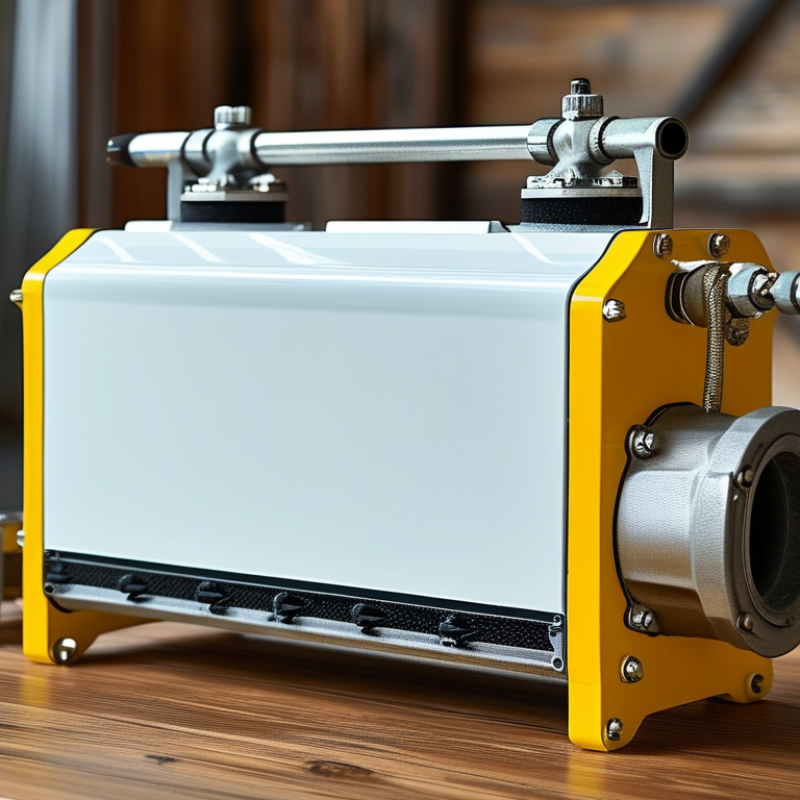
Understanding Absorption Heat Exchangers and Their Applications
Absorption heat exchangers play a crucial role in various industries, including HVAC, chemical processing, and renewable energy. These devices utilize a combination of heat and a refrigerant to efficiently transfer thermal energy. For instance, the International Energy Agency (IEA) reported that heat exchangers could improve energy efficiency by up to 30%. This efficiency is particularly vital as global energy demands continue to rise.
Choosing the right type of absorption heat exchanger depends on specific applications and operating conditions. An industrial setting often requires units that can handle high temperatures and pressures. Conversely, residential uses may prioritize compact size and lower maintenance. The design and materials used also significantly impact performance. Key factors such as the required efficiency, size constraints, and local climate conditions should influence decisions. Interestingly, a report by the American Society of Mechanical Engineers (ASME) notes that improper sizing can lead to a 15% drop in system efficiency.
Despite advancements, challenges remain. For instance, some absorption heat exchangers have lower heat transfer coefficients than traditional units, leading to potential inefficiencies. Users must critically evaluate their needs and consider potential downsides. The complexity of the technology can also lead to miscalculations in performance, emphasizing the importance of professional consultation during the selection process.
How to Choose the Right Absorption Heat Exchanger for Your Needs?
| Type | Cooling Capacity (kW) | Heating Capacity (kW) | Efficiency (%) | Application |
| Single-Effect | 50 | 45 | 70 | District Heating |
| Double-Effect | 80 | 75 | 90 | Industrial Heating |
| Triple-Effect | 110 | 100 | 95 | Process Heat |
| Gas Absorption | 60 | 55 | 80 | Refrigeration |
| Heat Recovery | 70 | 65 | 85 | HVAC Systems |
Key Factors to Consider When Selecting an Absorption Heat Exchanger
When selecting an absorption heat exchanger, several key factors come into play. Understanding the type of application is crucial. Applications vary in temperature, pressure, and fluid types. Different exchangers cater to specific needs. Knowing your system's requirements will lead to a more effective choice.
Energy efficiency is another significant factor. Look for designs that maximize heat recovery while minimizing energy losses. Evaluating the thermal and hydraulic performance can help. A well-chosen heat exchanger can lead to substantial savings. Do not overlook maintenance needs as they impact long-term efficiency too.
Tips: Keep an eye on material compatibility. Corrosion resistance is vital for longevity. Consider the operating environment and the fluids involved. Compact designs may save space but assess their performance thoroughly. Make sure to compare multiple options for the best fit. This thorough approach helps avoid costly mistakes in the future.
Comparing Different Types of Absorption Heat Exchangers
When selecting an absorption heat exchanger, it is vital to understand the different types available. Each type has unique characteristics that cater to specific needs. For instance, double-effect absorption heat exchangers can provide higher efficiency but may cost more upfront. These systems often yield significant energy savings over time, making them suitable for larger applications.
Alternatively, single-effect absorbers are simpler and easier to maintain. They might be more appropriate for smaller settings or where budget constraints exist. Comparing the thermal performance, operating conditions, and maintenance requirements is crucial. Each type has its pros and cons that require careful consideration.
Another aspect to ponder is the desired temperature range and pressure. Some absorption heat exchangers excel in specific conditions, while others are more versatile. Conducting a detailed analysis of operating requirements is necessary. In the end, the best choice depends on individual circumstances and practical needs. Understanding these factors can lead to more informed decisions that enhance system functionality.
Evaluating Performance Metrics and Efficiency Ratings
When selecting an absorption heat exchanger, performance metrics are crucial. Efficiency ratings reveal how well the system converts energy. Look for the Coefficient of Performance (COP), which indicates the heat output relative to the energy input. A higher COP means better efficiency. Understanding this metric helps in making informed decisions.
Heat exchangers come with various designs and materials. Consider the thermal conductivity of the materials used. Copper and aluminum typically offer superior heat transfer. However, durability can be a concern. Stainless steel is more robust but may have lower conductivity.
Examining pressure drops is also essential. A high pressure drop can lead to energy loss, impacting overall efficiency. You might encounter trade-offs between effectiveness and size. Larger models can provide better performance but may require more space. It’s important to evaluate your specific needs carefully before deciding.
Performance Metrics of Absorption Heat Exchangers
This bar chart displays the heat transfer efficiency of various absorption heat exchangers. Such metrics are essential for evaluating the performance and selecting the right model for your specific needs.
Maintenance and Longevity: Ensuring Optimal Heat Exchanger Function
When it comes to absorption heat exchangers, maintenance is crucial. Regular inspections can prevent potential issues. Look for leaks, corrosion, or unusual sounds. These signs often indicate a need for immediate attention. Ensuring that the system is free of contaminants can also enhance performance and longevity. Cleaning is often overlooked but plays a key role.
Longevity depends on adhering to recommended maintenance schedules. These schedules may differ based on usage and environment. Understanding the specific requirements of your system is essential. Don’t neglect the importance of record-keeping. Keeping track of maintenance history offers insights into performance trends over time. It also helps identify recurring issues, prompting proactive measures.
Failure to maintain these systems can lead to costly downtimes. Unexpected failures may disrupt operations. It's important to engage professionals for complex repairs. However, self-assessments are valuable in grasping overall system health. Sometimes, small adjustments can lead to significant improvements. Be willing to adapt and refine your approach based on observations and feedback.
 English
  Česká republika
 Deutsch
 Dutch
Dutch Polska