How to Choose the Best Self Drilling Screw for Your Project?
Choosing the right Self Drilling Screw for your project can be challenging. Self drilling screws are essential fasteners in construction and manufacturing. They save time by eliminating the need for pre-drilled holes. However, not all self drilling screws are created equal.
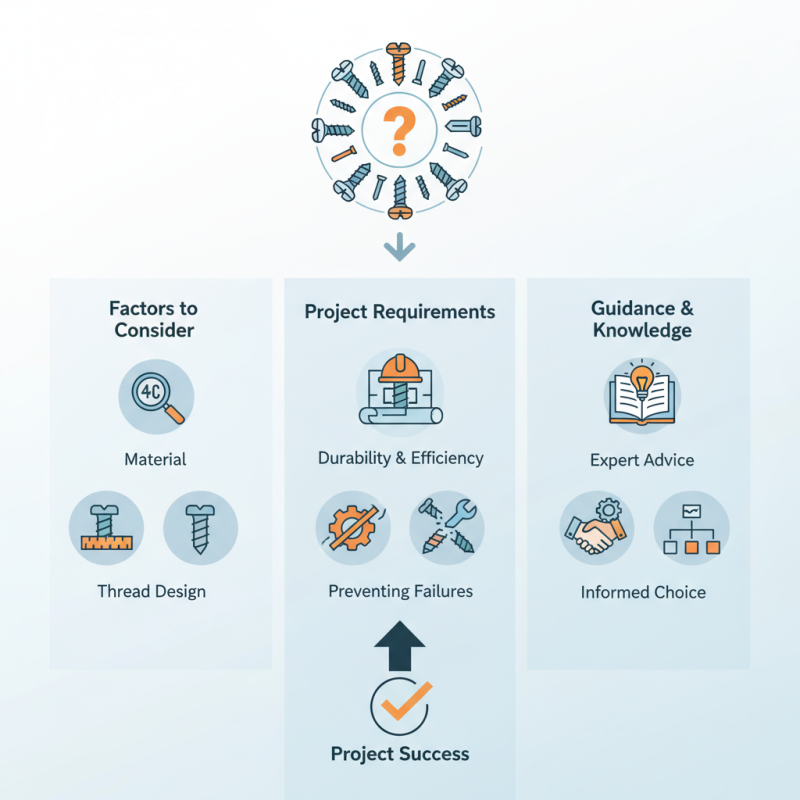
Consider specific factors that affect performance. The material of the screw, its length, and the thread design play crucial roles. A well-chosen screw enhances durability and efficiency. You may need to reflect on your project’s requirements. An inappropriate screw can lead to failures, resulting in costly repairs.
Expert advice is valuable when selecting self drilling screws. Consult professionals or guides to deepen your understanding. Knowledge of screw types can improve your decision-making. Making an informed choice can greatly impact the success of your project.
Understanding Self-Drilling Screws: Basics and Functionality
Self-drilling screws are an essential fastener used in various construction and DIY projects. Understanding their design and functionality helps ensure their effective use. These screws possess a unique tip that drills into materials, eliminating the need for pre-drilling holes. This feature saves time and effort, especially in thick or dense materials. They are particularly useful in metal-to-metal applications or when working with wood and composites.
Their design varies, with different thread patterns available for specific applications. Fine threads offer better gripping power in lighter materials. Coarse threads are great for heavier loads, providing stronger retention. The head style also matters. Options include pan, flat, and hex heads, allowing users to choose based on aesthetic and structural needs. However, some may overlook the importance of the correct size and type, leading to improper installations.
One common mistake is using self-drilling screws in unsuitable materials. For instance, using them in extremely hard substances can cause breakage. Additionally, over-tightening can strip the material or damage the screw. These issues highlight the complexity of choosing the right fastener. Therefore, thorough research and understanding of project requirements are crucial for success.
Identifying the Right Material for Your Project's Needs
Choosing the right material for self-drilling screws is crucial. The choice impacts not just performance but longevity. According to a report by the Fastener Quality Act, using the correct material can enhance screw performance by up to 40%. For many projects, steel variants are the go-to choice due to their strength and durability. However, soft steel may not hold up in corrosive environments.
Stainless steel screws can offer resistance to rust. This property is vital for outdoor projects or areas with high humidity. For applications exposed to harsh chemicals, you might consider specialized coatings. These coatings can prevent corrosion, extending the screw's life. On the other hand, aluminum is lighter and might be suitable for specific uses, despite being less durable.
Material selection is not always straightforward. Sometimes, what works in theory fails in practice. Common oversights include using screws without considering the substrate. Each material behaves differently under stress and environmental changes. Industry data indicate that improper material can lead to a failure rate of over 25% in critical projects. Understanding these nuances is vital for successful outcomes.
Determining the Appropriate Size and Length of Screws
Choosing the right size and length for self-drilling screws is crucial for your project’s success. A screw that is too long can penetrate more than intended, causing damage. Conversely, a screw that is too short won't hold materials together effectively. Consider the thickness of the materials you will join. Measure precisely to ensure a perfect fit.
When determining screw size, think about its diameter. A thicker screw provides more holding strength. However, going too thick can split the material. Different projects may require different screw types, so take time to assess your needs. Remember that using the right screw can prevent future problems.
Tips: Always test a few screws on a scrap piece. This can reveal any issues with length or holding power. Also, keep in mind the material being used; harder materials may need different screws than softer ones. If you are unsure, consult a professional. Their expertise can save time and resources.
How to Choose the Best Self Drilling Screw for Your Project?
This chart illustrates the recommended screw lengths based on different material thicknesses typically encountered in various projects. Selecting the appropriate screw size is crucial for ensuring a strong and secure fastening.
Evaluating Coating Options for Enhanced Durability
When selecting self-drilling screws, the coating plays a critical role in durability. A variety of coatings are available, each providing unique benefits. For instance, zinc plating offers basic rust protection, ideal for indoor applications. However, its effectiveness diminishes over time, especially in moist environments.
On the other hand, ceramic and epoxy coatings provide enhanced resistance to corrosion. They are particularly useful for outdoor projects or in harsh conditions. Consider your project’s specific environment when choosing the coating. It can sometimes be challenging to assess how coatings hold up in the long term. Regular reviews of your projects can help identify potential failures due to inadequate coatings.
Remember, the aesthetic aspect of the coating might also matter. A more decorative finish may be attractive but might not ensure the best performance. It’s important to balance visual appeal with functionality. Always reflect on your choices and consider how different coatings can impact the longevity of your project.
How to Choose the Best Self Drilling Screw for Your Project? - Evaluating Coating Options for Enhanced Durability
| Screw Type | Material | Coating Type | Corrosion Resistance | Recommended Applications |
| Self-Drilling Phillips | Stainless Steel | Zinc Plated | High | Outdoor Applications |
| Self-Drilling Hex | Carbon Steel | Galvanized | Moderate | Metal Structures |
| Self-Drilling Torx | Alloy Steel | Black Oxide | Low | Indoor Applications |
| Self-Drilling PZ | Stainless Steel | Clear Zinc | Moderate | Wood and Metal Combinations |
Considering Specific Applications and Environmental Factors
When selecting a self-drilling screw for your project, environmental factors and specific applications play a key role. For outdoor use, consider corrosion resistance. Stainless steel offers good durability in wet conditions. In dry environments, carbon steel can suffice but may rust over time. The climate impacts wear and tear, so it's vital to assess these conditions.
Tips: Always evaluate the potential for moisture exposure. If your project needs adequate protection, opt for screws treated with protective coatings. Zinc plating is common for moderate protection. For harsher conditions, look for high-performance coatings designed for long-lasting use.
Next, consider the material being joined. Different substrates require different screw types. Softwood is forgiving, while metal may need a sturdier option. The thickness of the material also affects screw length. A screw that is too long can split wood. One that is too short may not provide a secure hold. Ensure to balance length and type for the best strength.
Tips: Test a few screws on scrap material before finalizing your choice. This can help identify issues before they arise. Don't overlook head styles; they influence the ease of installation and hold strength.
 English
  Česká republika
 Deutsch
 Dutch
Dutch Polska