What to Consider When Choosing a Drainage Pump for Your Needs
When selecting a Drainage Pump, many factors come into play. It's not just about the pump's power; it's also about how well it matches your specific needs. A well-chosen drainage pump can dramatically improve the efficiency of water extraction, whether in a basement, yard, or construction site.
Consider the type of water you'll be dealing with. Is it clean water or wastewater? This choice influences the pump's design and functionality. Also, think about the required flow rate and head height. These elements dictate how quickly and efficiently the pump will perform during high-pressure situations. Sometimes, users overlook these crucial details and end up with a pump that just doesn't work for their conditions.
Getting expert advice can be essential. Not all brands are equal, and many claim to offer the best. However, reliability and durability are what truly matter in a drainage pump. Trustworthy reviews and recommendations can guide you in making a well-informed choice. Always reflect on your options. In the world of drainage pumps, a well-considered choice can save you time, money, and frustration.
Factors to Determine the Suitable Drainage Pump Capacity
Selecting the right drainage pump is crucial for efficiency. One of the key factors to consider is the pump capacity. This generally refers to the volume of water that the pump can move in a specific timeframe, usually measured in gallons per minute (GPM). A report by the American Pump Manufacturers Association suggests that assessing your needs accurately can save energy and reduce operational costs.
Determining the necessary capacity involves evaluating the size of the area that requires drainage. For small applications, a pump with a capacity of around 1,500 GPH suffices. For larger basements or flooded areas, models pushing 3,000–5,000 GPH may be necessary. It’s important not to oversize the pump, as this can lead to energy waste and increased wear and tear on the unit. A study from the National Association of Home Builders found that properly-sized pumps have a longer lifespan and lower maintenance costs.
Consider the type of water being pumped as well. Dirty or muddy water may require a pump with a more robust design and higher capacity. Even if your system is designed for clear water, conditions can change unexpectedly. Regular assessments of pump performance and area needs ensure that your drainage solutions remain effective and reliable.
Understanding Different Types of Drainage Pumps Available
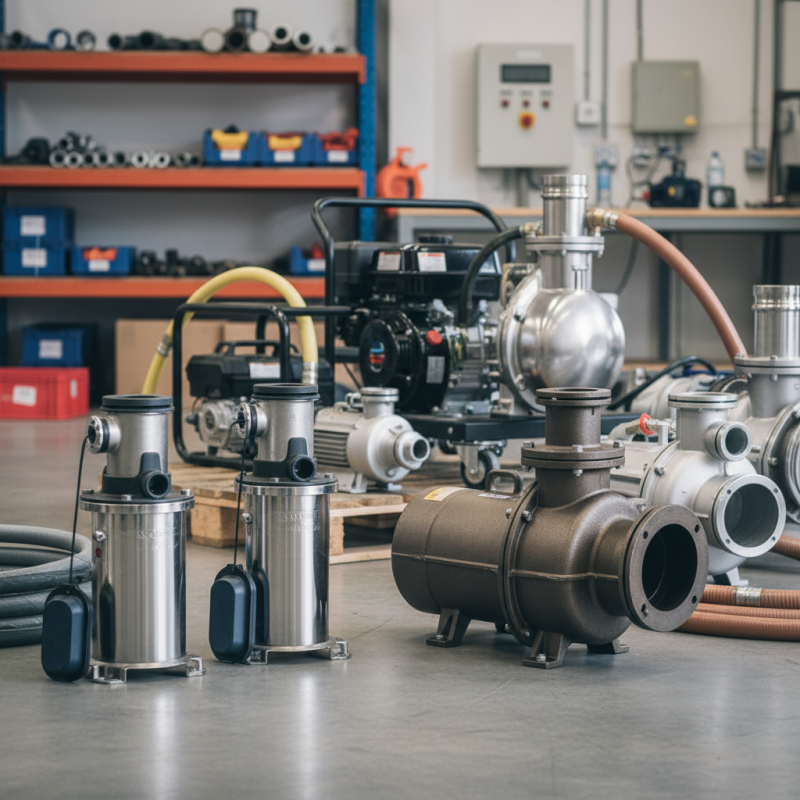
When selecting a drainage pump, understanding the different types available is essential. Various options cater to specific needs in residential and commercial settings. Submersible pumps are popular for their efficiency in removing water from basements and flooded areas. They can handle larger volumes, reaching depths of up to 25 feet. Contractor pumps serve job sites well, pumping out water quickly and effectively. These models possess high flow rates, often exceeding 1200 gallons per hour, making them ideal for construction drainage.
Consider the power source too. Electric pumps are reliable but may face challenges in power outages. Gas-powered pumps can operate without electricity, offering flexibility. It's also important to assess the materials used in the pump construction. Durable materials can withstand harsh conditions and extend the life span of the pump.
**Tip:** Always check the pump's flow rate and head height when making a selection. This data ensures the chosen pump meets your specific requirements.
Factors such as the size of the area being drained and potential clogging from debris should not be overlooked. A poorly matched pump can lead to inefficiencies or increased wear and tear. Reflect on how different environments may affect pump performance over time.
Comparative Analysis of Different Drainage Pumps
Key Features to Look for in a Drainage Pump
When selecting a drainage pump, focus on key features that suit your specific needs. Consider the pump's power rating. A higher horsepower usually delivers better performance in handling large volumes of water. According to industry reports, a pump with at least 1/2 HP is effective for residential use. Assess the flow rate as well. Most residential pumps have a flow rate between 20 and 120 gallons per minute. This determines how quickly your pump can move water.
Look closely at the construction material as well. Pumps made from durable materials like cast iron or stainless steel resist corrosion. Corrosion can lead to mechanical failure and increased maintenance costs. Pay attention to the size of the pump. It should fit your drainage needs without excessive space. Lastly, check for features like automatic shut-off and float switches. These enhance user safety and prevent overflow.
Tips: Consider the installation process too. Some pumps are easy to set up, while others may require professional help. Read user reviews to gauge reliability. Not all pumps perform as advertised, and some may not meet your expectations. Always factor in your long-term needs rather than just short-term solutions.
Assessing the Pump's Installation and Maintenance Requirements
When choosing a drainage pump, installation and maintenance are crucial. Understanding the installation process can save you time and frustration. Some pumps require professional installation, while others are user-friendly and can be set up without help. Assess the space where the pump will be located. A cramped or tricky area may complicate installation.
Maintenance is another aspect to consider. Regular upkeep prolongs the pump's life. Some models have accessible parts, making maintenance easier. You might need to check for clogs often. It's vital to know the maintenance requirements before you commit. This knowledge can help avoid costly repairs.
Don't overlook your specific needs when selecting a pump. If the model is hard to maintain, it could lead to frustration down the line. Consider ease of access for repairs. Ask yourself: how often will you need to perform maintenance? Your answers will guide you toward a suitable choice.
Evaluating Your Budget and Long-Term Cost Implications
When evaluating your budget for a drainage pump, consider both initial costs and long-term expenses. A low purchase price might be tempting, but it can lead to higher maintenance costs. More reliable pumps can save money over time. Understanding your specific needs can help avoid overspending on features you won't use.
Tips: Think about the environment where the pump will be used. If it's in a harsh area, investing slightly more can ensure durability. Evaluate the energy efficiency ratings of potential pumps. A more efficient model might cost more upfront, but lower energy bills can offset that expense.
It's crucial to recognize that not all pumps fit every situation. Choosing a model without thorough research might result in unexpected repairs. Look for a pump that balances affordability with reliability. Don’t ignore warranty offers as they reflect the manufacturer's confidence in their product. A good warranty also protects your investment in the long run.
What to Consider When Choosing a Drainage Pump for Your Needs
| Feature | Details | Price Range (USD) | Long-Term Cost Implications |
| Pump Type | Submersible / Pedestal | 200 - 800 | Higher upfront for Submersible, Lower maintenance for Pedestal |
| Horsepower | 0.5 HP to 2 HP | 150 - 600 | Higher HP increases efficiency & longevity, but also cost |
| Max Flow Rate | 1250 - 6000 GPH | 250 - 1000 | High flow pumps may consume more energy |
| Material | Cast Iron / Thermoplastic | 300 - 800 | Cast Iron has longer lifespan, but higher initial cost |
| Power Source | Electric / Battery Operated | 200 - 700 | Battery may need frequent replacement |
 English
  Česká republika
 Deutsch
 Dutch
Dutch Polska