Why Choose Laminated Glass for Your Next Project?
Laminated Glass has become a game-changer in the construction industry. Experts recognize its advantages in safety and design flexibility. According to Dr. Emily Carter, a leading authority in architectural materials, “Laminated Glass enhances both protection and aesthetic appeal in any project.” This powerful statement reflects the growing trend among architects and builders.
The unique composition of Laminated Glass provides superior strength. It features a layer of polyvinyl butyral (PVB) between two glass panes. This innovation results in reduced risk of shattering and improved sound insulation. Safety becomes paramount, especially in high-traffic areas. However, some still question the material's suitability for every application.
Aesthetic versatility sets Laminated Glass apart. It can be customized in various colors and textures, enhancing design creativity. Despite this, a lack of knowledge about installation methods can lead to costly mistakes. Investing time in research is crucial for successful application. Ultimately, the choice of Laminated Glass can significantly elevate both safety and visual impact in building projects.
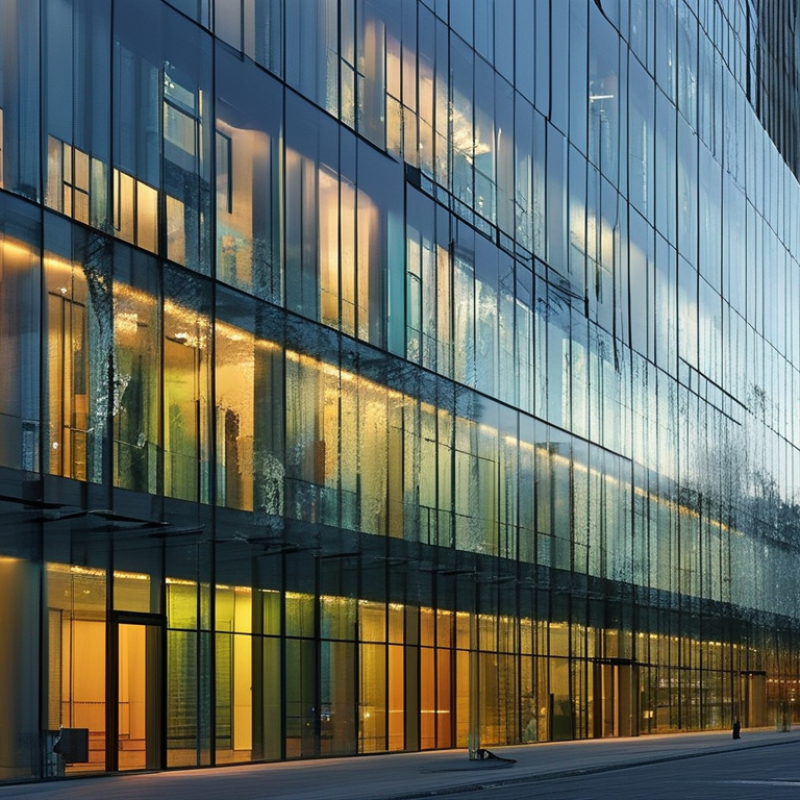
Benefits of Using Laminated Glass in Construction Projects
Laminated glass offers numerous benefits for construction projects. Its unique structure, comprising two or more layers of glass bonded with an interlayer, enhances safety and durability. This feature makes it an ideal choice for areas prone to extreme weather conditions or accidents. When broken, laminated glass tends to shatter but remains adhered to the interlayer, reducing injury risks.
Another significant advantage is its sound insulation property. Laminated glass effectively minimizes external noise, creating a more serene indoor environment. This quality is particularly valuable in urban settings, where noise pollution can be a major issue. Additionally, laminated glass can improve energy efficiency in buildings. By controlling heat transfer, it helps maintain optimal indoor temperatures, thus reducing energy costs.
Despite these benefits, there are some considerations. The installation of laminated glass can be more complex and may require skilled professionals. Its initial cost might be higher compared to standard glass options. However, the long-term savings on energy bills and maintenance can outweigh these upfront expenses. Balancing these factors is essential for making an informed decision for your next project.
Why Choose Laminated Glass for Your Next Project? - Benefits of Using Laminated Glass in Construction Projects
| Benefit | Description | Applications |
| Safety | Laminated glass holds together when shattered, reducing the risk of injury. | Commercial buildings, schools, homes |
| Acoustic insulation | Reduces sound transmission, providing a quieter indoor environment. | Offices, theaters, apartments |
| UV protection | Blocks up to 99% of harmful UV rays, protecting interiors from fading. | Retail stores, museums, residential homes |
| Energy efficiency | Improves thermal performance, reducing heating and cooling costs. | Eco-friendly buildings, homes |
| Aesthetic appeal | Provides a modern, sleek look that enhances architectural design. | High-end residential and commercial projects |
Key Applications of Laminated Glass in Modern Architecture
Laminated glass is a remarkable material gaining traction in modern architecture. Its unique properties make it ideal for a range of applications. From facades to skylights and interior partitions, laminated glass enhances both aesthetics and safety. A recent report by the Glass Association revealed that laminated glass applications are expected to grow by 7% annually due to its durable nature and noise reduction capabilities.
In commercial buildings, laminated glass is often used in high-traffic areas. It can withstand impact, making it safer than traditional glass. The 2022 Safety in Architecture report noted that buildings with laminated glass reduced injury risks by over 30% in case of breakage. Furthermore, its ability to block harmful UV rays helps protect interior furnishings. This is crucial in residential settings, where sunlight can deteriorate valuable items.
Architects value laminated glass for its versatility in design. It can be customized with various interlayers, offering a range of colors and textures. However, selecting the right type requires careful consideration. An improper choice may lead to concerns like excess weight or inadequate insulation. Exploring these aspects can deeply influence a project's outcome, emphasizing the need for informed decision-making in design.
Key Applications of Laminated Glass in Modern Architecture
Safety Features and Security Advantages of Laminated Glass
Laminated glass is gaining popularity in construction due to its unique safety features. This type of glass consists of two or more layers of glass bonded with a special interlayer. When broken, the layers adhere to the interlayer, preventing shards from scattering. This significantly reduces the risk of injury from flying debris, making it an ideal choice for high-traffic areas.
Another advantage is its security benefits. Laminated glass is harder to break compared to standard glass. Intruders may find it challenging to gain access through windows or doors made of laminated glass. This provides an extra layer of security for homes and businesses. However, it's worth noting that while laminated glass enhances safety, it is not entirely impervious to determined efforts. Some users may overlook the importance of using proper framing and installation techniques, which are crucial for maximizing the benefits.
Additionally, laminated glass can reduce noise pollution. The interlayer absorbs sound waves, leading to quieter indoor environments. In urban settings, this feature can greatly enhance comfort. That said, potential users should consider the cost implications, as laminated glass can be more expensive than traditional options. Balancing safety, security, and budget is essential when deciding on materials for your next project.
Energy Efficiency and Sound Insulation Properties of Laminated Glass
Laminated glass offers outstanding energy efficiency and excellent sound insulation, making it a popular choice for various projects. The unique construction of laminated glass consists of two or more layers of glass bonded together by a plastic interlayer. This design not only improves thermal performance but also minimizes heat transfer. Consequently, buildings become more energy-efficient, reducing reliance on heating and cooling systems.
When considering laminated glass, it's essential to think about local climate conditions. In colder regions, laminated glass can retain interior warmth, while in hotter climates, it helps block unwanted heat. Sound insulation is another significant benefit. Laminated glass effectively absorbs sound waves, creating a quieter indoor environment. It's particularly valuable in urban areas with high noise levels from traffic and construction.
For optimal results, assess your project's specific requirements carefully. Think about how the glass will interact with natural light. Utilizing laminated glass can enhance aesthetics, too. Make sure to consult with professionals who specialize in glass installation. They can offer tailored advice based on your unique needs. Remember, not every project demands the same type of glass. Reflect on what will work best for your situation.
Aesthetic Versatility: Design Options with Laminated Glass
Laminated glass offers a unique blend of beauty and practicality. Its aesthetic versatility allows architects and designers to create stunning visual effects. You can choose from various colors, patterns, and textures. This flexibility makes laminated glass suitable for different environments, from modern office spaces to cozy homes.
When considering laminated glass, think about how it can enhance your project. Experiment with layering different materials and colors. Opt for frosted or tinted options to add privacy without sacrificing light. Remember, the right design can make a space feel larger and more inviting.
When planning your project, focus on the composition of laminated glass. It can reduce noise, improve safety, and filter UV rays. These features add value and enhance comfort. Always consult with an expert to ensure proper installation. A well-executed design can elevate the overall aesthetic of your space while offering functional benefits.
 English
  Česká republika
 Deutsch
 Dutch
Dutch Polska