Why Choose Cashew Optical Sorter for Efficient Processing?
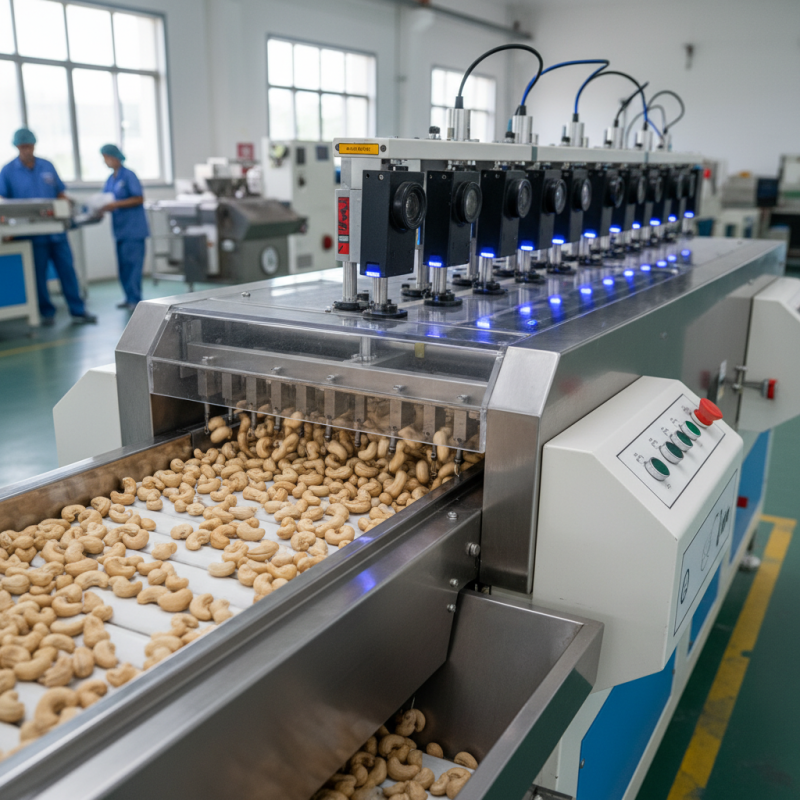
In the competitive world of cashew processing, efficiency is key. The Cashew Optical Sorter has emerged as a revolutionary tool. This advanced machine employs state-of-the-art technology to ensure optimal selection of cashew nuts. It uses high-resolution cameras and sophisticated algorithms to identify and separate defective nuts. This precision reduces waste and maximizes product quality.
Every batch processed with a Cashew Optical Sorter reflects significant improvements in productivity. Companies have reported higher yield rates and reduced labor costs. However, many still hesitate to adopt this technology. It’s essential to understand the learning curve involved in utilizing these advanced systems. Employees must be trained to operate and maintain the equipment effectively.
The investment in a Cashew Optical Sorter can seem daunting. But the long-term benefits often outweigh the initial costs. It requires careful assessment and planning to implement. Companies must reflect on their current processes and consider the potential improvements. Embracing this technology might be the key to achieving greater efficiency and profitability in the cashew market.
Benefits of Cashew Optical Sorters in Nut Processing Efficiency
Processing cashews can be challenging. Workers often struggle with sorting out impurities. Manual sorting is time-consuming and inconsistent. This situation is where cashew optical sorters stand out, enhancing overall efficiency in nut processing.
Cashew optical sorters utilize advanced technologies. They can quickly identify defects in cashews, such as broken pieces or shell fragments. This automated approach reduces human error, ensuring a higher quality product. Sorting happens faster and more reliably than manual methods. Operators can process larger batches in shorter timeframes.
Despite their advantages, issues may arise in calibration and maintenance. Machines need regular checks to function effectively. Occasionally, they might misidentify certain nuts, leading to potential losses. While optical sorters significantly boost productivity, understanding their limitations is crucial for optimal performance.
Key Features of Cashew Optical Sorters for Quality Improvement
Choosing an optical sorter for cashew processing greatly enhances quality. These machines utilize advanced technology to separate defective nuts from high-quality ones. Recent industry reports indicate that optical sorters can reduce defective nut rates by up to 95%. This drastically improves overall product quality and customer satisfaction.
Key features of cashew optical sorters include high-resolution cameras and innovative software. These components assess the size, shape, and color of cashews with precision. With a sorting speed of over 5 tons per hour, these machines outpace manual sorting methods. Moreover, they operate consistently without the fatigue that human workers experience. This not only boosts efficiency but also ensures reliable quality in every batch.
Tip: Regular maintenance of sorting equipment is crucial. It can prevent unexpected breakdowns and maintain sorting accuracy. Additionally, continuous training for machine operators helps in maximizing output efficiency. Even with cutting-edge technology, human oversight remains vital for achieving the best results in quality improvement.
Industry Statistics on Yield Enhancement with Optical Sorting Technology
Optical sorting technology is transforming the cashew processing industry. According to industry reports, using advanced optical sorters can enhance yield efficiency by up to 25%. This increase translates directly into higher profitability for processors. With rising demand in the nut market, optimizing every step in the processing line is critical.
One key aspect is waste reduction. Traditional sorting methods often overlook defects and foreign materials. Studies indicate that optical sorters can identify and remove up to 98% of foreign items with precision. However, some processors still rely on manual sorting, which can lead to inconsistencies in quality. The varying effectiveness highlights the need for upgraded systems.
Another important statistic reveals that producers utilizing optical sorting reduce operational costs by approximately 30%. Enhanced automation leads to fewer labor costs and greater output per hour. Despite these benefits, some facilities remain hesitant to adopt this technology. Resistance to change could hinder future growth, emphasizing the need for broader industry education.
Why Choose Cashew Optical Sorter for Efficient Processing?
| Parameter | Before Optical Sorting | After Optical Sorting | Improvement (%) |
| Total Yield | 80% | 90% | 12.5% |
| Reject Rate | 15% | 5% | 66.67% |
| Quality Grade A | 60% | 85% | 41.67% |
| Cost Efficiency (USD/kg) | 4.00 | 3.00 | 25% |
Comparative Analysis: Cashew Optical Sorters vs. Traditional Sorting Methods
The choice between cashew optical sorters and traditional sorting methods highlights significant differences in efficiency and accuracy. Traditional methods rely heavily on manual labor. Workers often face fatigue, leading to errors in sorting. In contrast, optical sorters leverage advanced technology to identify and separate cashews based on size and color. This automation drastically reduces the time required for processing.
Using cashew optical sorters can enhance the uniformity of sorted nuts. A more homogeneous product is desirable for packaging and distribution. Optical sorters can process large volumes quickly, ensuring that the final product meets high-quality standards. However, the initial investment in these machines can be daunting for some businesses.
Tips: Consider starting with a smaller, adjustable optical sorter. This allows you to evaluate performance before committing to a larger model. Regular maintenance checks are essential to keep the equipment running efficiently. Even advanced technologies need occasional servicing to ensure accuracy. Adopting a mixed approach of both traditional and optical sorting initially could also be beneficial for some operations. It allows time to adjust to new systems while ensuring product quality.
Why Choose Cashew Optical Sorter for Efficient Processing?
This chart compares the efficiency of Cashew Optical Sorters against traditional sorting methods based on key performance indicators. The data represents sorting accuracy, processing speed (kg/hour), and labor costs over a period of 1000 kg of cashews.
Impact of Optical Sorting on Waste Reduction and Cost Management
Optical sorting technology plays a crucial role in the food processing industry. It significantly reduces waste, making operations more efficient. Research indicates that up to 20% of food products can be discarded due to improper sorting. This loss is costly for businesses, affecting profit margins directly.
Cashew processing can benefit greatly from advanced optical sorting. By accurately identifying defects, this technology minimizes the risk of contaminated or defective nuts reaching consumers. A study found that implementing optical sorters reduced waste by nearly 30%. This change not only enhances product quality but also leads to substantial cost savings. Reducing waste directly correlates with lowering operational costs.
However, investing in such technology does require careful consideration. Initial costs can be high, and the return on investment may vary. Companies must analyze their specific needs and processing volumes to ensure that optical sorting aligns with their goals. Ultimately, while it offers remarkable advantages, the decision to adopt it should come after thorough reflection on potential benefits and financial implications.
 English
  Česká republika
 Deutsch
 Dutch
Dutch Polska