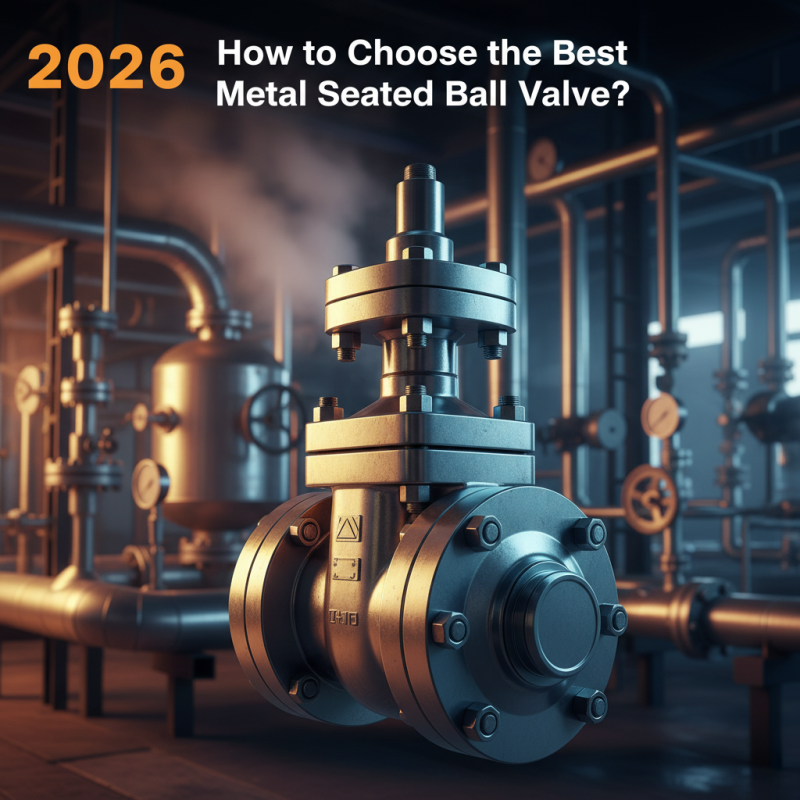
2026 How to Choose the Best Metal Seated Ball Valve?
Choosing the right metal seated ball valve is essential for various industrial applications. It ensures effective flow control and durability under challenging conditions. Metal seated ball valves are known for their strength and longevity, especially in high-pressure environments. These valves are often used in oil, gas, and chemical processing, where reliability is paramount.
When selecting a metal seated ball valve, consider the materials and design. Different applications require specific features to handle temperature fluctuations and corrosive substances. Understanding these needs can help you find an ideal match. A well-chosen valve can enhance system efficiency and reduce maintenance costs.
However, some may overlook crucial factors, leading to unexpected issues. It's vital to assess the operating environment and compatibility. Misjudgments here can result in costly downtime. The goal is to find a valve that meets all specifications while ensuring safety and performance. Being thorough in your selection process will reward you with a dependable metal seated ball valve that stands the test of time.
Understanding Metal Seated Ball Valves: Key Features and Benefits
Metal seated ball valves are a reliable choice for various industrial applications. Their construction features a metal seat, making them suitable for high temperatures and pressures. This design enables them to handle abrasive materials better than soft seated valves. Engineers often prefer metal seated options for environments where durability is paramount, such as oil and gas industries.
When selecting the right valve, consider your specific needs. Look at the pressure rating and temperature limits of the metal seated ball valve. Check the compatibility with the fluids you'll be handling. These factors significantly affect performance and longevity.
Tip: Always consult with a valve expert to ensure the best choice for your application.
Another important feature is maintenance. Metal seated valves typically require more care than their soft seated counterparts. Regular inspections can help identify wear and tear early on. This proactive approach can save costs in the long run.
Tip: Keep a log of maintenance activities to track valve performance over time.
In summary, understanding the key features is vital for an optimal selection. An informed decision will lead to better efficiency and reliability in your operations.
Different Types of Metal Seated Ball Valves and Their Applications
Metal seated ball valves are essential in various industrial applications. They offer durability and reliability in high-temperature and high-pressure settings. Understanding their types can help in making informed choices.
There are generally three types of metal seated ball valves: trunnion-mounted, floating, and segmented ball valves. Trunnion-mounted valves are robust. They handle large flow rates and can endure severe conditions. Floating ball valves are best for lighter applications. They rely on pressure to seal. Segmented ball valves provide excellent flow control and are ideal for abrasive substances.
Choosing the right type requires more than just specifications. It demands an understanding of the environment in which they will operate. Factors like temperature, pressure, and the nature of the fluid matter. Each application can pose unique challenges. For instance, some valves might struggle with certain chemicals. This reflection on potential shortcomings is vital for long-term performance.
Types of Metal Seated Ball Valves and Their Applications
This chart illustrates the distribution of different types of metal seated ball valves used in various applications across industries.
Factors to Consider When Selecting a Metal Seated Ball Valve
When selecting a metal seated ball valve, several critical factors come into play. Material compatibility is crucial. Ensure that the valve material can withstand the specific chemicals in your application. Temperature and pressure ratings are also essential. Each valve has limits, and exceeding these can lead to failure.
Another aspect to consider is the design type of the valve. Some designs offer better sealing capabilities, while others excel in flow control. Evaluate your system's needs carefully. The size and connection types matter as well. Improper sizing can lead to inefficiencies or downtime.
Installation and maintenance are often overlooked but remain vital. Ensure that you have access for future maintenance needs. A difficult-to-reach valve can become a headache if repairs are necessary later. Don't ignore the importance of supplier reliability. A reputable supplier will provide guidance and support throughout the valve's lifecycle.
Installation and Maintenance Guidelines for Metal Seated Ball Valves
Proper installation is crucial for maximizing the efficiency of metal seated ball valves. Begin by ensuring the valve is suitable for your application. Check the pressure ratings and temperature limits. This ensures long-lasting performance. When installing, align the valve correctly with the pipeline. Misalignment can lead to leaks and premature failure. Use appropriate tools to avoid damaging the integrity of the valve.
Regular maintenance plays a vital role in the valve’s lifespan. Inspect seals and seats frequently for wear and tear. A small crack can lead to significant problems later. Lubrication is important but should be done carefully. Over-lubricating can attract debris, causing blockages. Consider implementing a routine maintenance schedule to detect issues early. This proactive approach can save costs in the long run. Stay informed about the specific requirements for your valve, as each type can have unique needs.
Common Mistakes to Avoid When Choosing Metal Seated Ball Valves
When selecting a metal seated ball valve, many common mistakes can lead to costly errors. A frequent oversight is underestimating the importance of material selection. The wrong material can lead to premature wear or failure. It's vital to match the valve material with the specific application’s pressure and temperature requirements. Many buyers focus purely on cost and overlook the long-term impact of their choice.
Another prevalent mistake is neglecting the valve’s size and connection type. A mismatched size can cause flow issues. If the valve doesn’t fit with existing piping, extra expenses arise. It's essential to measure accurately and consider connection types that align with your system. Misjudging flow rates and pressure drops can also occur without proper calculations.
Lastly, don’t ignore the valve manufacturer’s specifications. Some buyers skip this step, thinking all products are similar. Each manufacturer has different quality standards and testing protocols. A lack of research can result in selecting an unreliable product. Always seek out detailed specifications and consult professionals to make informed decisions.
 English
  Česká republika
 Deutsch
 Dutch
Dutch Polska