Why Choose a Screw Vacuum Pump for Your Business Needs?
In today's competitive landscape, selecting the right equipment can greatly influence operational efficiency. A Screw vacuum pump stands out for its reliable performance and advanced technology. This pumping solution captures attention for numerous applications across different industries.
Choosing a screw vacuum pump reflects not only an investment in equipment but also in productivity. Its design delivers exceptional vacuum levels while ensuring lower noise and energy consumption. Many businesses prioritize these features, seeking sustainable operations that do not compromise performance.
However, it's essential to recognize that not every vacuum solution is perfect for all environments. Businesses should evaluate their specific needs and challenges before adopting this technology. Reflecting on past experiences while exploring innovative solutions can lead to more informed decisions. Investing time in this process is crucial for long-term success.
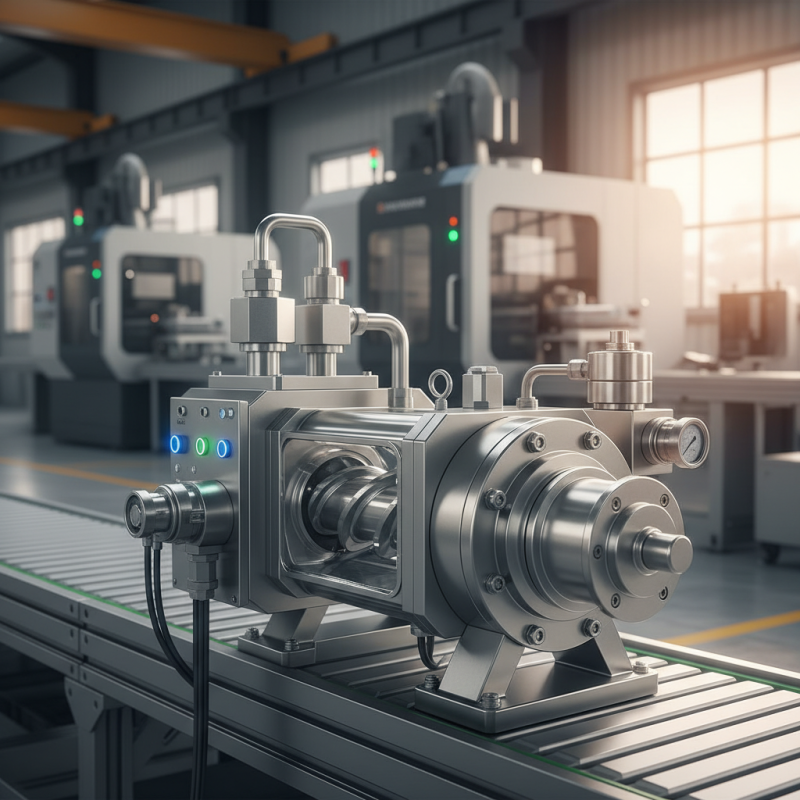
Benefits of Screw Vacuum Pumps in Industrial Applications
Screw vacuum pumps are becoming increasingly vital in various industrial applications. These pumps effectively manage airflow and create high levels of vacuum. According to a recent industry report, screw vacuum pumps can achieve up to 200 mbar absolute pressure. This efficiency leads to better performance and reduced energy consumption.
In applications like food packaging and pharmaceuticals, maintaining a consistent vacuum level is critical. A study indicated that businesses utilizing screw vacuum pumps showed a decrease in production costs by approximately 20%. Their ability to handle a wide range of gases without lubrication also reduces contamination risks, making them safer for sensitive processes.
However, not all applications will benefit equally from these pumps. Some industries may require additional maintenance or have specific space constraints. These factors impact the choice of vacuum pump. Careful consideration ensures that businesses select the best option for their needs, balancing performance with operational limitations.
Energy Efficiency Comparisons: Screw vs. Traditional Pumps
Energy efficiency is a critical factor in choosing vacuum pumps for industrial applications. Screw vacuum pumps significantly outperform traditional pumps in energy consumption. Studies show that screw pumps can reduce energy costs by up to 50% compared to rotatory vane pumps. This efficiency not only decreases operational costs but also minimizes carbon footprints, making them more environmentally friendly.
In many operations, users report reduced cooling requirements with screw vacuum pumps. This often leads to lower overall system costs. Additionally, screw pumps typically have lower maintenance needs because of fewer moving parts. Industry reports indicate that maintenance can account for 15-30% of total operational costs. Shift towards screw technology may provide an important cost-saving measure.
Despite the clear advantages, businesses must reflect on specific operational needs. Not every application may benefit from a screw vacuum pump. Factors like scale, required vacuum level, and specific material handling should guide decisions. Evaluating long-term benefits against initial investments remains crucial for informed choices.
Maintenance Considerations for Screw Vacuum Pumps in Businesses
When considering screw vacuum pumps for business, maintenance is a vital factor. These pumps are robust and efficient but require regular care to operate at peak performance. Without diligent maintenance, performance may drop, leading to increased downtime. Consistent checking of oil levels and replacing filters can prevent major issues.
Tips for maintenance include regular inspections. Look for unusual vibrations or noises during operation. These can signal potential problems. Keeping the pump clean is crucial. Dust and debris can hinder its efficiency. Schedule these inspections every few months.
Another point to consider is wear and tear. Over time, components may degrade, affecting operation. Monitor the vacuum levels closely. A sudden drop might indicate a need for repair. Keeping a maintenance log can be helpful. Documenting issues helps identify patterns, leading to more efficient management of the vacuum pump system.
Why Choose a Screw Vacuum Pump for Your Business Needs? - Maintenance Considerations for Screw Vacuum Pumps in Businesses
| Aspect | Details |
| Efficiency | High pumping speed with low energy consumption. |
| Maintenance Frequency | Requires maintenance every 3-6 months depending on usage. |
| Typical Applications | Used in food packaging, pharmaceuticals, and chemical processes. |
| Common Issues | Potential overheating and oil contamination. |
| Replacement Parts | Filters, valves, and oil can be sourced easily. |
| Lifespan | Typically lasts 10-15 years with proper maintenance. |
| Cost Consideration | Initial investment is high, but costs are justified by efficiency. |
| Noise Level | Generally quieter compared to other vacuum pump types. |
Cost-Effectiveness: Analyzing Long-Term Savings of Screw Pumps
When weighing the cost-effectiveness of screw vacuum pumps for your business, it's essential to consider long-term savings. A recent industry report highlights that businesses can save between 20% to 40% in energy costs when switching to screw vacuum pumps. This efficiency stems from their design, which allows for continuous operation with less downtime. Also, they require less maintenance compared to their rotary counterparts, further reducing operational expenses.
Tips: Monitor the total cost of ownership. Always factor in energy consumption and maintenance costs alongside the initial purchase price. What may seem cheaper upfront can lead to higher expenses over time.
Another vital aspect of screw pumps is their durability. Many models have a lifespan exceeding 15 years with proper maintenance. This longevity can significantly impact your budget planning. However, consider potential needs for upgrades or replacement parts. Adaptability is crucial for changing business conditions.
Tips: Invest in training for staff. A well-trained team can maximize the pump's efficiency and lifespan. Regular checks on performance can provide valuable insights to prevent costly repairs.
Industry-Specific Use Cases for Screw Vacuum Technologies
Screw vacuum pumps are increasingly embraced across various industries due to their versatile applications. In the food packaging sector, these pumps efficiently remove air to prolong shelf life. They maintain product integrity and enhance vacuum sealing. Such technologies enhance safety and quality, addressing industry-specific needs.
In pharmaceutical manufacturing, screw vacuum pumps reduce the risk of contamination. They help maintain sterile environments by enabling effective moisture removal. This capability supports compliance with stringent industry regulations. However, operators must ensure regular maintenance. Overlooking this could lead to performance issues, affecting production quality.
The automotive industry benefits from screw vacuum technologies as well. These pumps assist in processes like forming and degassing materials, improving overall efficiency. While many businesses see success with these pumps, challenges like initial setup costs and energy consumption deserve consideration. Balancing performance with operational costs requires careful planning.
 English
  Česká republika
 Deutsch
 Dutch
Dutch Polska