 English
  Česká republika
 Deutsch
 Dutch
Dutch Polska


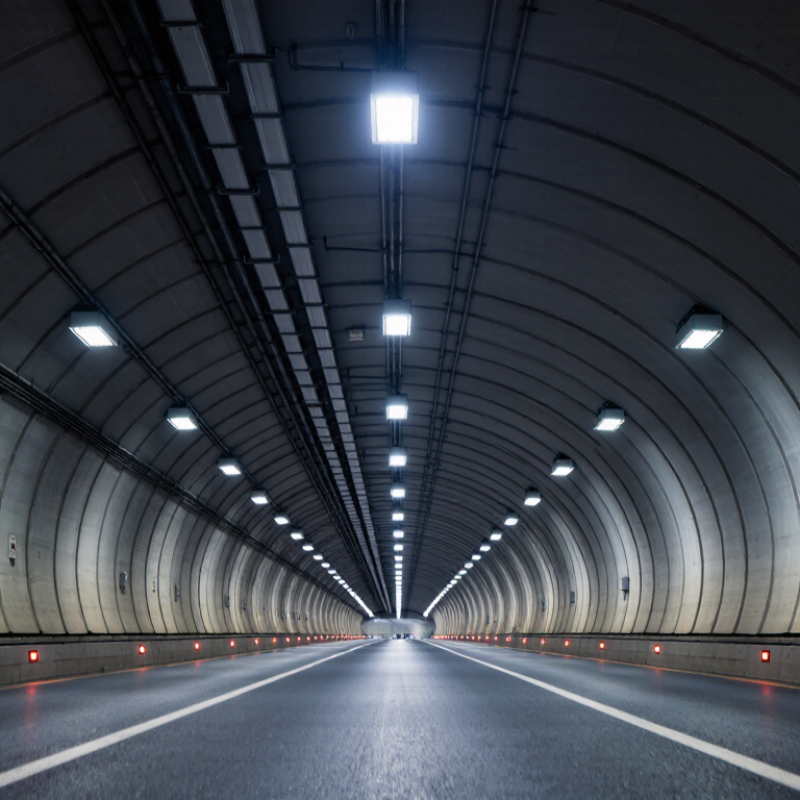
How to Choose the Best LED Tunnel Light for Global Projects?
Evaluating Performance, Safety, and Environmental Durability
For global tunnel projects, LED selection should begin with measured performance, not advertised wattage. Request photometric files, roadway luminance data, and uniformity results from accredited laboratories. Check glare control carefully, especially near entrances, exits, curves, and changing daylight conditions. Stable drivers should support dimming, emergency operation, and low flicker. A small flicker problem can become a serious comfort issue during long journeys.
Safety depends on more than brightness. Confirm suitable ingress protection against dust and water, plus impact resistance for maintenance areas. Thermal design deserves close attention because tunnel ceilings can trap heat. Review electrical protection, surge tolerance, grounding, and maintenance access with qualified engineers. Local standards may differ between countries, so project teams should verify requirements with independent inspectors. One weakness in many specifications is relying on laboratory figures without checking installation conditions.
Tips: Compare performance at the expected mounting height and temperature. Test samples in a representative tunnel section when possible. Check corrosion resistance for coastal, humid, or polluted locations. Look for sealed housings, durable coatings, and replaceable components. Keep records of temperature cycling, vibration, salt exposure, and cleaning methods. Do not ignore maintenance time. A light that performs well but requires difficult access may create higher lifetime costs. The perfect specification rarely survives unchanged in the field, so allow room for practical review.