The Best Hollow Bit Types for Your Drilling Needs?
When it comes to drilling, choosing the right tool is essential. Hollow Bits are popular for various projects. They create clean, precise holes in different materials. Whether you're working with wood, metal, or masonry, there’s a hollow bit designed for your needs.
Various types of hollow bits exist. Some are ideal for woodworking, while others excel in metalworking. Each bit serves a distinct purpose. Their unique designs and sizes make them versatile tools in any toolbox. However, the plethora of choices can be overwhelming. Selecting the best hollow bit requires an understanding of your specific requirements.
Consider your project’s demands carefully. Not every hollow bit will fit your needs. Mistakes can happen if you choose the wrong type. Investing time in researching hollow bits can pay off. You’ll avoid frustrating outcomes and achieve better results. Explore options, ask for advice, and make an informed decision. This journey will ultimately improve your drilling experience.
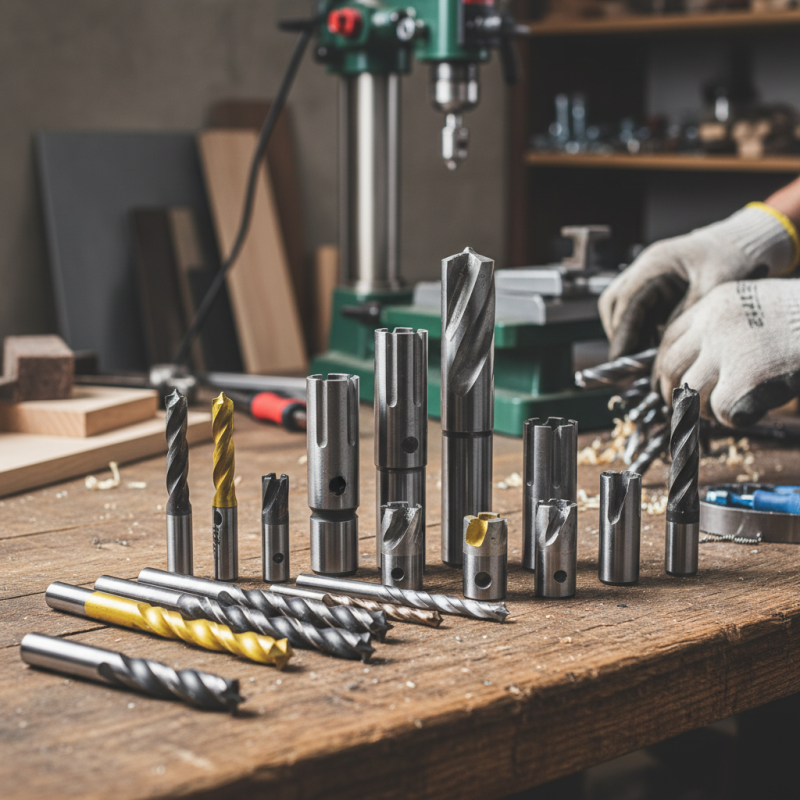
The Definition and Purpose of Hollow Bits in Drilling Applications
Hollow bits are essential tools in various drilling applications. They have a unique design that allows them to remove material while creating a hole. This is particularly useful for tasks requiring precision. The hollow nature enables the extraction of debris, keeping the drill site clean.
The purpose of hollow bits extends beyond mere drilling. They are often used in plumbing and HVAC installations. The ability to drill through thick materials makes them valuable. They can handle wood, metal, and even concrete, depending on the type. Choosing the right hollow bit can be tricky. Sometimes, the wrong bit causes damage or slows work down.
While hollow bits are versatile, they are not foolproof. Users might find that certain bits wear out quickly. Factors like pressure and speed impact their lifespan. Some may struggle with the learning curve. Proper technique is crucial for achieving desired results. It's important to experiment to find what works best.
The Best Hollow Bit Types for Your Drilling Needs
| Hollow Bit Type | Purpose | Common Applications | Material | Diameter Range |
| Twist Hollow Bits | Designed to create holes while removing debris. | Woodworking, Metal Fabrication | High-Speed Steel | 3mm - 16mm |
| Sawdust Hollow Bits | For making clean, deep holes with minimal material loss. | Furniture Making, Cabinetry | Carbide-Tipped | 6mm - 30mm |
| Spade Hollow Bits | Effective for large holes in softwood and plastic. | Plumbing, Electrical Work | High-Speed Steel | 10mm - 45mm |
| Auger Hollow Bits | Designed for drilling deep holes efficiently. | Earth Work, Tree Surgery | Steel | 20mm - 100mm |
| Core Hollow Bits | Used for removing a core of material to create large holes. | Construction, HVAC | Diamond-Coated | 25mm - 150mm |
Types of Hollow Bits: A Comparison of Material and Design Specifications
When choosing hollow bits, various factors come into play. Material often affects performance and durability. Steel bits are prevalent due to their strength. However, carbide-tipped bits offer higher precision and longevity. According to a 2022 industry report, carbide-tipped tools can last up to 50% longer than standard steel bits in heavy applications. This can lead to significant cost savings for contractors.
Design specifications are also crucial. A spiral fluted design enhances chip removal. This design reduces heat and friction, making drilling faster and cleaner. Research shows that bits with this design can improve drilling efficiency by up to 30%. However, they can be more challenging to handle for novices.
Another consideration is the bit’s diameter and length. Most professionals note that standard sizes are beneficial for versatility. Unconventional sizes, while useful for specific tasks, may create confusion. Choosing the right size can significantly impact the outcome of a project. It requires careful thought and planning.
Industry Standards for Hollow Bit Performance: Metrics and Testing Protocols
When selecting hollow bits for drilling, performance standards are crucial. Industry metrics often define success. According to the 2022 Drilling Performance Report, bits with a higher penetration rate show better efficiency. For example, a bit that performs at 30 feet per hour cuts down operation time significantly.
Testing protocols vary, but they consistently measure key performance indicators. Durability tests focus on wear resistance and lifespan. A study from the International Drilling Association found that hollow bits with reinforced cutting edges reduce wear by 25%. However, many bits still fail under intense conditions. This highlights a gap in manufacturing standards.
The importance of material selection cannot be overstated. Reports indicate that bits made from high-grade steel exhibit superior performance. Yet, cost often dictates choices, leading to compromises. Some contractors opt for cheaper alternatives, risking efficiency and long-term value. This ongoing issue reflects the industry’s struggle between budget constraints and quality needs.
Choosing the Right Hollow Bit for Specific Drilling Projects and Materials
Choosing the right hollow bit is crucial for effective drilling. Different projects require specific bit types. For wood, a spade hollow bit works well. It removes material swiftly, making deep holes. However, it can cause splintering if used without care.
If you're drilling through metal, an annular cutter is ideal. These bits create clean, precise holes. However, mistakes in speed can lead to burnt edges. You should watch the temperature closely.
Concrete drilling requires specialized bits like core drills. They handle tough materials effectively. Still, if the bit overheats, it can wear down quickly. Maintain the right pressure for best results. Choosing the right type simplifies your work but demands attention to detail.
Maintenance and Lifespan Considerations for Hollow Bits in Professional Use
When it comes to hollow bits, maintenance is essential. Regular inspection can prevent costly mistakes. A worn bit might not perform well. Check for dull edges and signs of wear. Replace them before you face problems. Cleaning is also important. Debris can accumulate, affecting performance. Clear any buildup after each use.
Lifespan varies for hollow bits. Harder materials can wear them down faster. Factors include the type of material being drilled and the speed of operation. Overheating is a quick way to shorten lifespan. Use proper drilling techniques to reduce heat. This may involve adjusting the pressure applied during drilling. Remember, a bit used infrequently may also degrade over time.
Reflecting on your experience with hollow bits can be enlightening. Have you been proactive with maintenance? Are you aware of how wear affects your projects? Understanding these considerations can lead to improved efficiency. A little care goes a long way in ensuring you get the most from your tools. Each bit tells a story, whether it’s about precision or damage.
 English
  Česká republika
 Deutsch
 Dutch
Dutch Polska