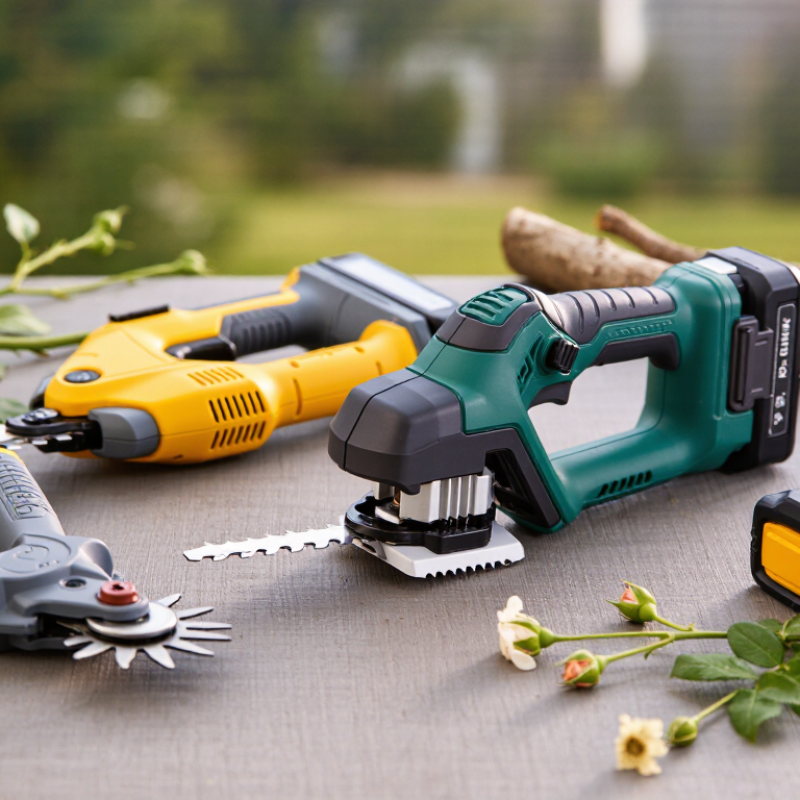
Best Electric Hand Shears for Gardening in 2026?
Choosing the best electric pruning tool is about more than cutting speed. In 2026, gardeners can compare compact cordless models, battery systems, blade materials, and safety features more carefully than ever. Electric Hand Shears For Gardening may reduce repetitive hand pressure, but they are not equally suited to every task. A small pair can be handy for roses and young shoots, while thicker, woody branches may call for a different tool.
This guide focuses on practical details that matter outdoors: comfortable grip, manageable weight, clean cuts, battery runtime, charging time, and access to replacement blades. It also considers safeguards such as trigger locks and blade covers, which can make storage and handling more responsible. Product specifications are useful, but they do not tell the whole story. A tool’s balance may feel different after an hour of pruning. Small details matter.
Battery claims should be read with care, since runtime changes with branch thickness, cutting frequency, and battery condition. Safety instructions and the stated cutting capacity deserve a close look before purchase. No tool fits everyone. A gardener with a few patio plants may value light weight, while someone maintaining fruit trees may need greater capacity and serviceable parts. This overview aims to help readers compare options without treating one feature as a guarantee of performance. Even a well-reviewed model can feel awkward in real use, so it is worth checking its weight and grip before committing.
Understanding Electric Hand Shears and Their Uses in Gardening
Electric hand shears use a small motor and sharpened blades to cut stems with less repeated squeezing than manual pruners. They are useful for deadheading roses, trimming soft new growth, and pruning many small branches during a long gardening session. Light work. The reduced hand effort can help when fingers tire, but it does not make every cut effortless. Thick, dry wood may exceed a tool’s capacity and can strain its mechanism.
Match the cutting range to the plants you actually grow, not the largest branch you hope to tackle. A clean, sharp blade usually leaves a neater cut, so remove sap and plant debris after use, following the tool’s care instructions. Keep fingers clear of the blades, and switch the tool off before clearing a jam. Not always simple. Battery weight, charging time, and balance matter too, especially when working overhead or among crowded shrubs.
In a small garden, manual pruners may be quicker to grab and easier to control. Electric shears are most useful when repeated, suitable cuts would otherwise tire your hand; they are not a substitute for careful pruning judgment.
Key Features to Compare When Choosing Shears in 2026
Best Electric Hand Shears for Gardening in 2026?
Compare shears by the branches you actually cut, not just the largest diameter listed. Cutting capacity varies with wood hardness, blade sharpness, and battery charge. A tool rated for thicker stems may still struggle with dry, dense wood. Small details matter.
Battery life should match the length of your pruning sessions. Check whether the battery is replaceable and how long charging takes. Weight matters, too: a few extra ounces can feel significant when your arm is raised among shrubs. Try the grip if possible. A comfortable handle and easy-to-reach safety switch help reduce strain and accidental starts.
Look for sharp, replaceable blades and straightforward cleaning access. Sap left around the cutting head can make later cuts rough, so maintenance should not require a complicated teardown. A narrow head can reach crowded growth, while a wider opening may suit thicker stems. There is no perfect combination. A lighter shear may have less cutting power, and a powerful model can feel tiring after repeated overhead work. Check the warranty and safety instructions, then choose for your garden’s typical jobs—not an occasional oversized branch.
Best Electric Hand Shears for Gardening in 2026? - Key Features to Compare When Choosing Shears in 2026
| Feature to Compare | Light-Duty Pruning | General Garden Use | Heavy-Duty Pruning | Long-Reach Pruning |
|---|---|---|---|---|
| Typical tasks | Deadheading, herbs, flowers, and thin green stems. | Routine trimming of shrubs, fruit trees, and established garden plants. | Occasional work on thicker woody growth, within the tool’s stated capacity. | Pruning higher branches from the ground, where the tool’s reach allows safe access. |
| Cutting capacity | Look for a stated maximum suitable for the thin stems you prune most often. | A stated capacity around 20–30 mm may suit many common garden tasks; confirm the maker’s rating. | Some models list capacities around 30–40 mm, but actual results depend on wood species, dryness, and branch shape. | Check the stated cutting capacity and whether it applies at the head’s working angle. |
| Blade design | A sharp bypass blade generally makes cleaner cuts on live stems than an anvil-style blade. | Check that the blade is replaceable and accessible for cleaning and sharpening. | Look for durable, serviceable blades and a clear procedure for replacing them. | Check blade access and maintenance steps; servicing a pole-mounted head can be less convenient. |
| Battery and runtime | A compact battery can keep tool weight down; compare stated runtime with the size of your job. | Compare battery capacity, charge time, and whether a spare battery is available. | Higher cutting loads can use battery power faster. Consider a spare battery for extended sessions. | Battery location affects balance and handling. Check whether it is carried on the tool or separately. |
| Tool weight and balance | Prioritize low weight and comfortable grip for repetitive, precise cuts. | Compare the tool’s weight with its battery installed, not the bare-tool figure alone. | A more powerful tool may be heavier; assess whether you can control it comfortably for repeated cuts. | Check total working weight and balance, since extended reach can make a tool feel heavier in use. |
| Safety features | Look for a deliberate trigger sequence, blade lock, and clear instructions for transport. | Check for a blade lock or protective cover and a safe procedure for clearing jams. | Confirm that the tool has a clearly documented safety system and that replacement parts are available. | Check the locking mechanism, pole stability, and safe operating instructions before working overhead. |
| Maintenance and support | Confirm that blades can be cleaned and sharpened, and that replacement blades can be obtained. | Check the manual for lubrication, cleaning, and battery-care requirements. | Prioritize serviceable parts, clear maintenance instructions, and accessible repair support. | Check how the cutting head, pole, and battery are maintained and whether parts are sold separately. |
| Best choice when | Your work is mostly light trimming and minimizing hand fatigue matters most. | You want one tool for a broad mix of regular garden pruning. | You frequently encounter thicker branches and are willing to trade some weight for capacity. | You need extra reach for suitable branches and can safely manage a longer tool. |
Buying note: Cutting-capacity figures are manufacturer ratings, not a guarantee for every branch. Hard, dry, or unusually shaped wood may require a smaller cut or a different tool. Compare the instructions, battery system, weight with battery, and available replacement parts before buying.
Top Electric Hand Shears for Different Gardening Needs
Electric hand shears suit different jobs, not every gardener. For roses, herbs, and precise deadheading, choose a light tool with a narrow head and responsive trigger. It is easier to guide between crowded stems. For fruit trees or dense shrubs, prioritize a wider opening, stronger cutting capacity, and a secure grip. Check the rated branch diameter against the wood you actually prune; dry, hard stems can be tougher than fresh shoots of equal thickness.
The National Gardening Association’s 2024 National Gardening Survey estimated that 80% of U.S. households took part in lawn or garden activities in 2023. That broad figure does not measure electric-shear use, but it shows why one tool rarely fits every task. Small urban gardens benefit from compact tools and modest batteries. Larger yards may need longer runtime and replaceable batteries. Look for stated runtime or cut-cycle testing, and remember that cold weather and thick branches can reduce performance. Fit matters more.
Weight deserves a hands-on check. A tool that feels light on a shop shelf may strain the wrist after repeated overhead cuts. Balance matters, too. Try the handle with gloves, inspect the safety lock, and keep the free hand clear of the blade path. One easy mistake is buying for maximum branch size, then carrying unnecessary weight all season. A smaller shear may be the better daily choice, though it will not handle every limb.
How to Match a Pruner to Your Plants and Workload
Start with the plants, not the shear’s advertised maximum. For roses, herbs, and soft new growth, a lighter tool with a comfortable grip may be easier to control. For woody shrubs, check the rated cutting diameter and whether it applies to dry or green wood. The National Gardening Association’s 2024 National Gardening Survey estimated that 105.7 million U.S. households took part in lawn and garden activities in 2023. That broad figure signals varied gardening needs; it does not mean one pruner suits every garden.
Think about how long you work, too. For occasional cuts, prioritize balance, trigger comfort, and a battery that stores easily. For repeated pruning, compare tool weight with the battery installed, charge time, and spare-battery availability. Try the grip if possible. Small hands can struggle with bulky handles, even when the cutting capacity looks generous.
A useful rule, but not a perfect one: choose a shear rated above your usual stem size, not far beyond it. Oversized tools can feel tiring during delicate work. Remove tangled stems by hand when safe, and avoid forcing a cut that stalls. It is easy to overvalue speed. A clean, controlled cut matters more.
Safe Operation, Maintenance, and Battery Care
Electric hand shears reduce repetitive squeezing, but their blades can close faster than expected. Keep fingers clear, wear eye protection, and hold branches steady before cutting. Switch the tool off before clearing jammed twigs or changing blades. The U.S. Bureau of Labor Statistics reported 2.6 million nonfatal workplace injuries and illnesses in private industry in 2023. That broad figure does not isolate garden tools, but it is a useful reminder that routine work still carries risk.
Clean sap and leaf fragments from the blade after each session, following the tool’s manual. Dry metal parts before storage; moisture can encourage corrosion. Check blade fasteners and guards for looseness or damage. For battery care, use only the specified charger, and charge on a dry, stable surface. Keep batteries away from hot sheds and direct sun. Let a warm battery cool before charging. Replace swollen, cracked, or unusually hot packs instead of using them. Small checks matter.
Tips: Keep fingers clear. Remove the battery before cleaning or servicing. Store the pack cool and dry, with its charge level set as the manual recommends. It is easy to rush cleanup after pruning; that is exactly when a loose twig or exposed blade can catch a hand.
English
Česká republika
Deutsch
Dutch
Polska