China Best CHLF Pump Manufacturer and Supplier?
Choosing a China-based Chlf Pump manufacturer or supplier takes more than comparing catalog prices. A CHLF Pump may suit clean-water transfer, building services, or industrial circulation, but the right choice depends on the actual duty point. Buyers should confirm required flow, total head, liquid temperature, and operating schedule. A pump that looks right on paper can perform poorly when the system curve says otherwise.
Pump engineer Igor J. Karassik is widely associated with practical, system-based pump engineering. This guide applies that principle in an editorial paraphrase: “Choose for the duty point, not the label.” It is a useful reminder, not a verified direct quotation. Ask suppliers for a performance curve, materials list, motor details, and test documentation. Check whether the quoted model matches the stated flow and head, rather than relying on a broad product description. Small details matter: seal material, flange dimensions, and the sound of an uneven test run can reveal questions worth asking.
Supplier claims also deserve careful review. Request clear warranty terms, spare-parts availability, lead times, and written answers about inspection procedures. Compare like with like. A low quote may exclude accessories or testing. That is easy to miss. This guide will outline how to assess Chinese CHLF Pump manufacturers, verify product fit, and compare supplier support. Some information may still need direct confirmation; buyers should treat that as part of responsible sourcing, not an inconvenience.
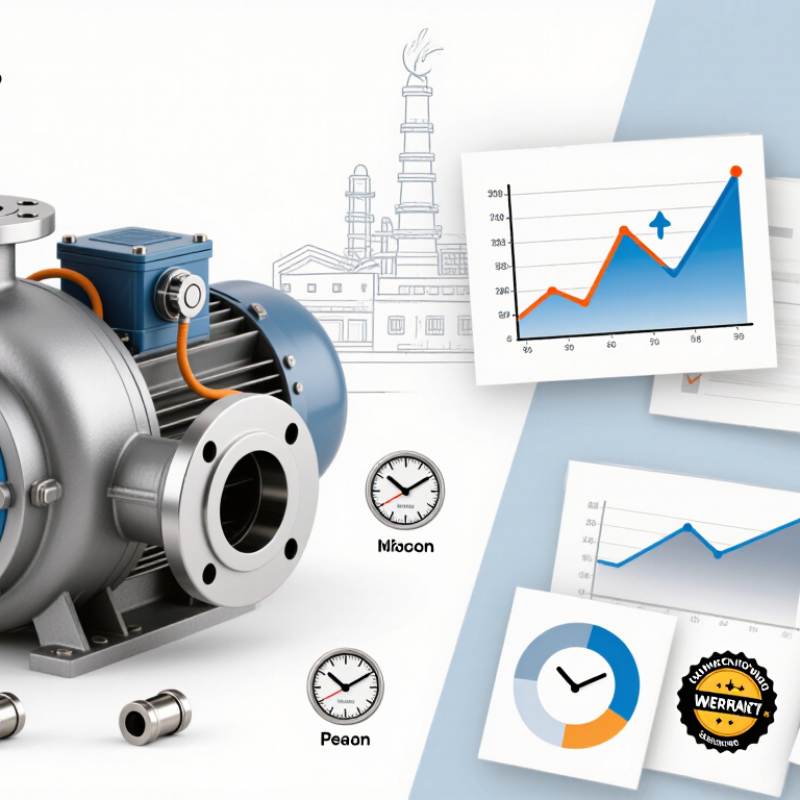
What Is a CHLF Pump and How Does It Work?
A CHLF pump commonly refers to a horizontal multistage centrifugal pump for clean water and similar low-viscosity liquids. Its exact construction can vary, so check the pump’s nameplate and performance curve. Inside, a motor turns an impeller. The impeller accelerates the water, and a diffuser converts much of that motion into pressure. No mystery.
Several impellers sit in sequence. Each stage adds pressure as water passes through the pump, making this design useful where a steady, higher discharge pressure is needed. Suction conditions still matter: air entering the line, a blocked strainer, or insufficient inlet pressure can reduce flow and cause vibration. A neat diagram rarely shows those messy details.
The U.S. Department of Energy’s guide, Improving Pumping System Performance, notes that pumping systems can account for nearly 20% of global electricity demand. That figure is a useful reminder to match pump size to real operating conditions, rather than choosing by outlet size alone. Measure flow and pressure at the installation, and review the curve against the system’s actual demand. A small mismatch can mean unnecessary energy use or unstable operation.
How a CHLF Pump Converts Flow into Hydraulic Power
A CHLF pump is a horizontal, multistage centrifugal pump. Its impellers add energy to the water, increasing pressure as the water passes through the pump. This chart shows calculated power at a constant 30 m head, assuming water density of 1,000 kg/m³ and 60% pump efficiency. Values are illustrative calculations, not specifications for a particular pump.
Where Are CHLF Pumps Commonly Used?
CHLF pumps are commonly used in buildings and light industrial systems that need reliable water pressure. In apartment blocks, they can feed upper floors when mains pressure is weak. In workshops, they may supply washdown points or circulate water through cooling equipment. Their multistage design helps deliver steady pressure from a compact unit. They are also found in water-treatment setups, irrigation systems, and air-conditioning circuits. Clean water is the usual choice; liquid temperature, solids, and chemical compatibility depend on the exact pump configuration.
Tips: Check the required flow and head before selecting a pump. A unit that is too large may cycle often, waste energy, and wear sooner. Small pipe restrictions matter, too.
Installation details shape real-world performance. Keep the suction line short and adequately sized, and fit suitable isolation valves for servicing. A strainer may help where debris is possible, but it can also restrict flow if neglected. One detail is easy to miss: a pump that sounds strained may have an air leak, a blocked inlet, or simply be operating outside its intended range. Check the manual and operating conditions before assuming the motor is at fault.
China Best CHLF Pump Manufacturer and Supplier? - Where Are CHLF Pumps Commonly Used?
| Application | Typical Fluid | Common Pumping Task | Suitability and Considerations |
| Building water supply | Clean, non-abrasive water | Supplying water to upper floors or supporting pressure-boosting systems | Multistage designs can provide higher pressure than many single-stage pumps. Select the pump to match the system’s required flow and head. |
| HVAC and water circulation | Clean heating or cooling water | Circulating water through heating, cooling, or air-conditioning systems | Check the liquid temperature, system pressure, and seal materials against the pump’s specified operating limits. |
| Water treatment | Filtered or otherwise suitably clean water | Transferring water between treatment stages or supplying process equipment | Suspended solids and chemical additives can affect wear and corrosion resistance. Confirm compatibility before use. |
| Light industrial processes | Clean process water or compatible low-viscosity liquids | Feeding machinery, rinsing lines, or transferring liquid within a process | Confirm liquid properties, including viscosity, temperature, and chemical compatibility, using the specific pump documentation. |
| Washing and cleaning systems | Clean water or compatible cleaning solutions | Supplying water to equipment-washing or cleaning circuits | Pressure requirements vary by system. The pump must not be used with chemicals that are incompatible with its wetted materials or seals. |
| General water transfer | Clean water from a tank or reservoir | Moving water to another tank, production area, or distribution line | Ensure the inlet conditions prevent air entry and cavitation, and check whether the installation requires a self-priming pump. |
Selection note: “CHLF” is used for a range of horizontal multistage pump models, and specifications can vary. Verify the exact model’s flow, head, temperature range, materials, and permitted liquid characteristics before selecting a pump. These pumps are generally intended for clean liquids, not sewage or liquids containing significant abrasive solids.
What Defines a Reliable CHLF Pump Manufacturer?
China Best CHLF Pump Manufacturer and Supplier?
What Defines a Reliable CHLF Pump Manufacturer?
A reliable CHLF pump manufacturer can show how its pump performs, not just describe it as efficient. Ask for certified performance curves, materials specifications, and test records for the model you plan to buy. The U.S. Department of Energy’s Improving Pumping System Performance: A Sourcebook for Industry estimates that pumping systems use nearly 20% of the world’s electrical energy. That makes correct sizing and dependable performance important over the pump’s working life.
For a CHLF pump, check that the stated flow and head match your operating conditions. A curve should identify the pump’s best-efficiency point, while documentation should specify allowable liquid temperature and material compatibility. Ask how each unit is inspected and how spare parts and technical support are handled. Clear answers are useful; vague promises are not. A supplier’s quality certificate is a starting point, not proof that every pump meets your needs.
Tips: Share your required flow, head, liquid, and operating hours before requesting a quote. Compare the proposed duty point with the pump curve. Small details matter. Even a well-made pump may perform poorly if the system is incorrectly sized, and that is worth checking before purchase.
How Can Buyers Compare CHLF Pump Suppliers in China?
When comparing CHLF pump suppliers in China, begin with the operating point, not the quoted price. Share required flow, total head, liquid temperature, and duty hours, then ask for a pump curve showing efficiency at that exact point. A catalog maximum can look impressive while missing your real duty. Ask for material specifications, seal options, motor details, and a written tolerance for performance.
The U.S. Department of Energy’s Improving Pumping System Performance sourcebook reports that pumping systems account for nearly 20% of global electricity demand. That makes verified efficiency more than a brochure detail.
Request a dated test record and clarify whether testing follows ISO 9906 acceptance criteria. Compare test results, not just claimed efficiency.
Small details matter: impeller dimensions, vibration readings, and whether the motor is included can change the delivered package.
Supplier reliability also shows up in documentation and follow-through. Ask for a sample inspection report, traceable material records, warranty terms, and spare-parts lead times. Check that the proposed CHLF model fits your pipe connections and installation space. A video call from the test bay can help confirm equipment and procedures, though it is not a substitute for independent inspection. I would still question any unusually low quote; sometimes the missing detail is exactly what later causes delay.
What Should Buyers Check Before Ordering a CHLF Pump?
Before ordering a CHLF pump, match its rated flow and head to your actual duty point. A pump selected from maximum figures alone may run inefficiently or fail to deliver enough pressure. Check the performance curve, not just the catalog headline. Small details matter.
Confirm the liquid’s temperature, viscosity, and chemical properties, then verify that wetted materials suit those conditions. Ask about seal type, inlet size, installation limits, and required electrical supply. If the liquid contains solids or varies during operation, say so clearly; standard configurations may not be suitable. I would also check available suction conditions and compare them with the pump’s NPSH requirements. This part is easy to miss.
Request a current datasheet, dimensional drawing, test documentation, and a clear list of included accessories. Confirm the delivery lead time, warranty terms, and availability of seals and other wear parts. Ask how the supplier verifies the supplied model against the order. A photo of the nameplate can help, but it does not replace written specifications. One thing still deserves thought: buyers sometimes choose on price before checking whether the pump fits the system.
 English
 Česká republika
 Deutsch
 Dutch
 Polska