Top Benefits of Die Casting Mold for Global Buyers?
In the competitive landscape of manufacturing, "Die Casting Mold" stands out as a vital component. Industry expert Dr. Amy Chen, a renowned material engineer, notes, "The right mold can significantly improve production efficiency." This insight emphasizes the importance of selecting superior die casting molds for global buyers.
Die casting molds offer numerous benefits, such as precise tolerances and excellent surface finishes. They allow for mass production with reduced lead times. However, not all molds achieve the same results. Understanding the intricacies of die casting molds can be daunting for new buyers. A poorly designed mold can lead to costly mistakes.
Investing in high-quality die casting molds is essential. Quality molds provide longevity and optimize the manufacturing process. As companies aim to innovate, they must weigh costs against potential gains. Many buyers overlook this balance, leading to challenges down the road. Whether for automotive parts or consumer goods, the right die casting mold influences success in manufacturing.
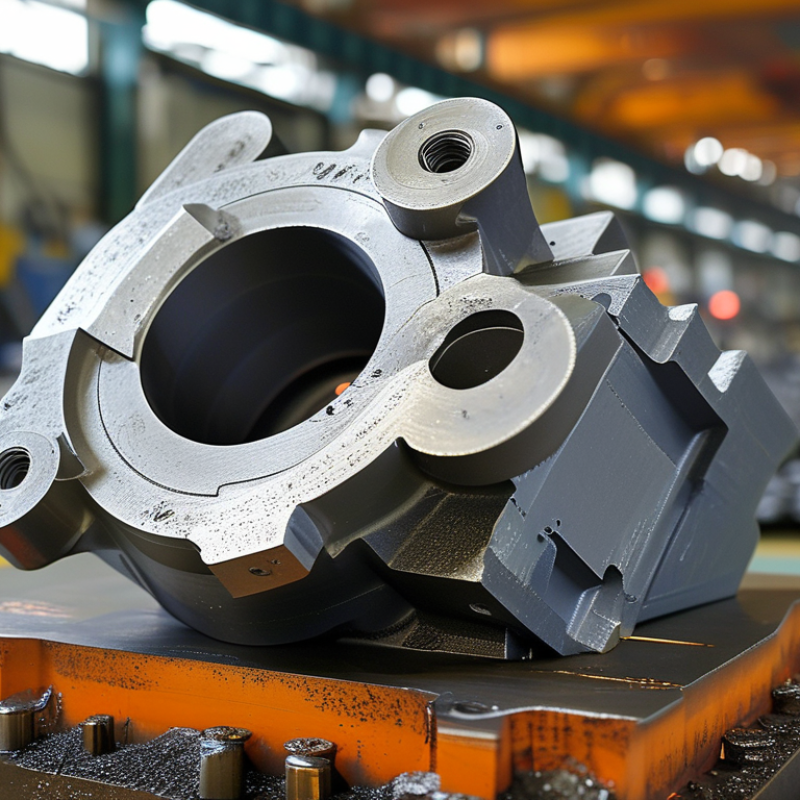
Key Advantages of Die Casting Molds for Global Manufacturing
Die casting molds offer significant advantages for global manufacturing. Their precision and efficiency are paramount in today's competitive environment. Reports indicate that the global die casting market is expected to reach over $15 billion by 2026, driven by the increasing demand for lightweight components across various industries. This reflects the growing recognition of die casting as a vital manufacturing process.
One of the key benefits of using die casting molds is the ability to produce complex shapes with high accuracy. Mold designs can allow for intricate geometries while maintaining dimensional stability. This reduces the need for extensive post-processing, saving both time and resources. Yet, achieving this precision requires advanced materials and technology, and not all manufacturers meet these standards.
Moreover, die casting processes lead to less material waste compared to traditional methods. A study showed that die casting can achieve up to 90% material utilization. However, this efficiency varies significantly across different production methods. Manufacturers must continually assess their processes to ensure optimal outcomes. This ongoing evaluation demonstrates a commitment to enhancing production capabilities while addressing potential inefficiencies in their operations.
Cost-Effectiveness of Die Casting Molds in Mass Production
Die casting molds are crucial in manufacturing processes, especially for mass production. They offer significant cost-effectiveness when producing high volumes of parts. This method allows manufacturers to create complex shapes with high precision, reducing material waste. Furthermore, the durability of die casting molds ensures they can withstand repeated use, making them economical over time.
For efficient mass production, examining the design of the mold is vital. A well-designed mold can enhance the flow of molten metal, reducing cycle time and improving output rates. This increased efficiency leads to lower labor costs and less energy consumption. Choosing the right alloy can also impact costs, affecting both the mold's longevity and the final product's quality.
Create your designs with manufacturability in mind. Simplifying complex features can reduce molding issues. Regular maintenance of the molds is necessary to sustain their effectiveness, even if it adds minor upfront costs. Keep an eye on the latest advancements in die casting technology, as they can further enhance efficiency and quality. Consider partnering with experienced professionals to optimize your production process.
Enhanced Precision and Quality in Die Cast Components
Die casting molds play a vital role in achieving enhanced precision and quality in components. These molds allow manufacturers to produce intricate designs with high dimensional accuracy. This precision minimizes the need for further machining. As a result, companies can reduce production costs and lead times.
Quality is equally critical. Die casting ensures that components have a smooth finish and uniform density. The process offers thin walls and complex geometries that are hard to achieve with other methods. However, not every mold performs perfectly. There are instances when surface defects may arise. These may require additional inspection and refinement.
Investing in high-quality die casting molds requires careful consideration. Buyers should evaluate vendors based on experience and technical capability. Understanding the intricate balance between cost and quality is crucial. Though challenges exist, the benefits of using die casting molds cannot be ignored. They consistently demonstrate improved accuracy and reduced waste in manufacturing processes, making them an essential choice for many industries.
Material Versatility Offered by Die Casting Molds
Die casting molds provide significant material versatility, catering to various industrial needs. This manufacturing process allows for the use of non-ferrous metals like aluminum, magnesium, and zinc. According to a recent industry report, aluminum die casting accounts for approximately 80% of the total die-cast market due to its lightweight and corrosion-resistant properties.
Different materials allow for unique applications, from automotive parts to electronics. The seamless integration of these materials into production lines enhances efficiency. The precision achieved through die casting results in minimal waste. As reported by industry analysts, processes that use die casting can achieve up to 95% material utilization.
However, not every material is suitable for every application. Understanding the specific requirements of each project is crucial. For instance, while aluminum is ideal for lightweight components, magnesium suits complex designs but may offer less strength. Buyers need to consider the balance of cost, strength, and application when selecting materials. This complexity can be daunting but is vital for optimizing production quality.
Sustainability and Eco-Friendly Aspects of Die Casting Processes
The die casting process has gained attention for its sustainability. It utilizes metals that are abundant and recyclable. This makes it a compelling choice for manufacturers concerned about their environmental impact. Using this method allows companies to minimize waste while maximizing efficiency.
One significant aspect of die casting is its energy efficiency. The process requires less energy than traditional manufacturing methods. This results in a lower carbon footprint. Additionally, the rapid production rates significantly reduce resource consumption overall. However, some challenges remain regarding the sourcing of raw materials. The mining and processing of metals can still pose environmental concerns.
While die casting is not without flaws, its benefits are undeniable. The ability to create complex shapes with minimal waste is a major advantage. Yet, as industries strive for eco-friendliness, there is a continuous need for innovation. Improvements in recycling methods and energy sources can further enhance the sustainability of die casting. Addressing these issues can lead to a more sustainable future in manufacturing.
Top Benefits of Die Casting Mold for Global Buyers
This bar chart illustrates the various benefits of die casting mold for global buyers, showcasing important factors such as cost efficiency, sustainability, high precision, reduced waste, and durability. The data reflects the percentage effectiveness of each benefit, highlighting the importance of these aspects in the die casting process.
 English
  Česká republika
 Deutsch
 Dutch
Dutch Polska