Alloy Steel vs Stainless Steel Tips for Global Buyers?
When considering materials for industrial applications, the choice between alloy steel and stainless steel is crucial. Industry expert Dr. John Mitchell states, “Understanding the unique properties of alloy steel and stainless steel can dramatically impact project outcomes.” Buyers must be well-informed, as these materials possess distinct characteristics.
Alloy steel is known for its enhanced strength and hardness due to the addition of various elements. These modifications make it suitable for heavy-duty applications. In contrast, stainless steel excels in corrosion resistance, making it ideal for environments exposed to moisture. However, the decision between them isn’t always straightforward.
Both alloy steel and stainless steel have their pros and cons. Choosing the wrong type can result in material failure or increased costs. Buyers should assess project requirements carefully. Are you prioritizing strength or corrosion resistance? This reflection can lead to better material selection. It’s not just about specs; it’s about matching the right material to the right application.
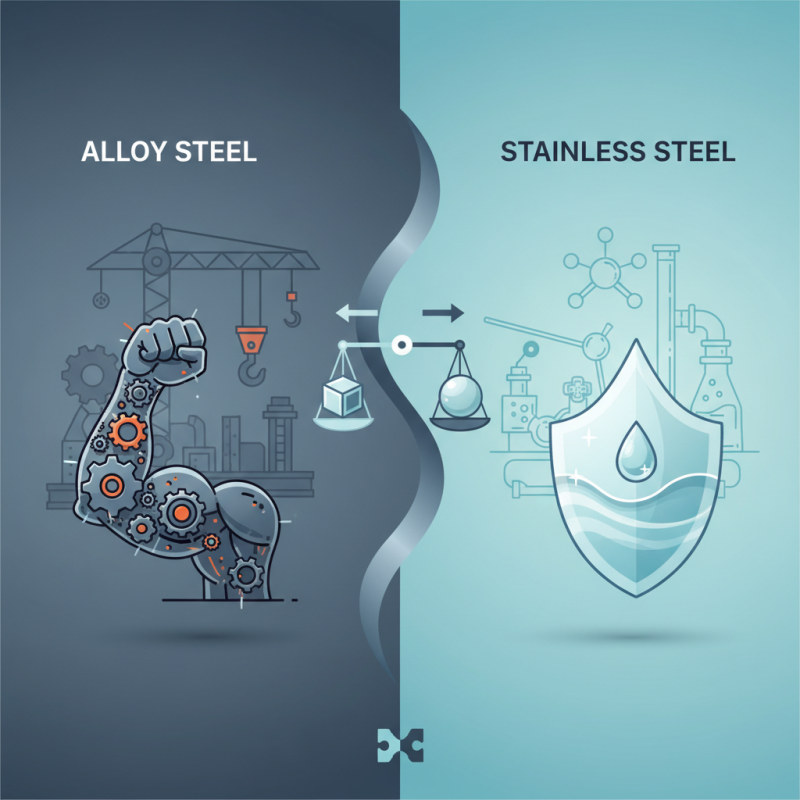
Understanding Alloy Steel: Properties and Applications
When exploring alloy steel, it's crucial to understand its properties and applications. Alloy steel consists of iron and additional elements, which enhance specific features. These elements can include chromium, nickel, and molybdenum. This combination provides superior strength, toughness, and resistance to wear and corrosion. Alloy steel is often utilized in industries that require materials capable of withstanding high levels of stress.
The applications of alloy steel are diverse. It is widely used in automotive manufacturing, oil and gas drilling, and heavy machinery production. Components in these industries often need high tensile strength and durability. For example, alloy steel is a preferred choice for gears, shafts, and structural components. However, the performance of alloy steel can vary based on the specific composition and heat treatment. Therefore, careful selection based on application is essential.
While alloy steel presents many advantages, there are also considerations to keep in mind. Its complex properties can make it challenging to work with. Sometimes, the cost can be significantly higher than carbon steel. Understanding these nuances is key for buyers. Being informed about the different types leads to better decision-making. The right knowledge can ultimately enhance project success.
Exploring Stainless Steel: Characteristics and Benefits
Stainless steel offers remarkable durability and resistance to corrosion, making it an ideal choice in various industries. According to a report by the International Stainless Steel Forum, the usage of stainless steel has increased by 6% annually over the past five years. This growth underscores its vital role in sectors like construction, automotive, and healthcare.
One of the standout characteristics of stainless steel is its ability to withstand extreme temperatures. Research indicates that it maintains structural integrity even at high heats, significantly enhancing safety in industrial applications. However, stainless steel is not flawless. Its cost can be a barrier for some projects. Understanding the right grade of stainless steel is crucial for achieving the desired performance while staying within budget.
In food processing, stainless steel's smooth surface aids in reducing bacterial growth. It’s easier to clean and can withstand harsh chemicals used in sanitation. Still, frequent assessments are essential to ensure that surfaces remain scratch-free, as scratches can harbor bacteria. Regular maintenance is necessary to uphold the benefits of stainless steel in hygienic environments.
Key Differences Between Alloy Steel and Stainless Steel
When choosing between alloy steel and stainless steel, understanding key differences is crucial. Alloy steel contains varying amounts of elements like nickel, chromium, and molybdenum. These additions enhance specific mechanical properties, making it suitable for heavy-duty applications. Stainless steel, on the other hand, primarily contains chromium, which provides its corrosion resistance and a shiny finish. This characteristic is vital in medical and food applications.
Tips for global buyers include considering the intended use of the material. Alloy steel might be a better choice for high-stress environments. It offers superior strength and toughness. Stainless steel excels where corrosion resistance is paramount. Buyers should assess environmental factors, such as exposure to moisture or chemicals, as these can influence the longevity of the materials used.
Furthermore, the cost is another factor worth reflecting on. Alloy steel may come cheaper in certain markets. However, investing in stainless steel could yield long-term savings due to its durability. Always consult with a materials engineer when in doubt. They can provide personalized recommendations based on specific project needs. Understanding these differences aids in making informed purchasing decisions.
Considerations for Choosing Between Alloy and Stainless Steel
Choosing between alloy steel and stainless steel can be challenging. Each material has distinct properties that influence its application in various industries. Recent data indicates that the global steel market is projected to reach 3 billion metric tons by 2025, highlighting the demand for diverse steel types.
Alloy steel is composed of iron mixed with other elements, enhancing its strength and toughness. It's ideal for demanding applications like automotive and construction. In contrast, stainless steel offers excellent corrosion resistance, suitable for food processing and medical equipment. A report by the International Stainless Steel Forum in 2022 indicated that stainless steel usage had increased by 4%, hinting at its growing importance in key sectors.
Tip: Always assess your project's specific requirements before making a decision. The choice between alloy and stainless steel can significantly impact performance and longevity. Additionally, consider the environment in which the steel will be used. Exposure to moisture or chemicals may favor stainless steel, while high-stress situations may necessitate the strength of alloy steel. Make sure to consult with experts for tailored advice and insights.
Global Market Trends for Alloy Steel and Stainless Steel Buyers
The global market for alloy steel and stainless steel has shown significant growth. According to a recent report by Mordor Intelligence, the alloy steel market is projected to reach approximately $225 billion by 2027, growing at a CAGR of around 5%. In contrast, stainless steel is expected to surpass $135 billion during the same timeframe, driven by increased demand in construction and automotive sectors.
For buyers venturing into these markets, understanding the different applications is crucial. Alloy steel is preferred for high strength and toughness in demanding environments, while stainless steel's corrosion resistance is vital for applications in food processing and chemical industries. Buyers should evaluate the specific requirements of their projects before making decisions.
Here are some tips: Always consider the environmental impact during procurement. Investigate suppliers' sustainability practices. Keep an eye on fluctuating metal prices that can affect your budget. Lastly, collaborating with industry experts can provide insights into market trends, ensuring informed purchasing decisions.
Alloy Steel vs Stainless Steel: Global Market Trends
| Category | Alloy Steel | Stainless Steel |
| Corrosion Resistance | Moderate | High |
| Strength | High | Moderate |
| Ductility | Good | Excellent |
| Applications | Construction, Automotive | Kitchenware, Medical Instruments |
| Cost | Lower | Higher |
| Market Growth Rate (2023) | 4.5% | 5.2% |
 English
  Česká republika
 Deutsch
 Dutch
Dutch Polska