7 Best Hot Sealing Machines for Global Buyers
Choosing the right Hot Sealing Machine can shape product quality, operating speed, and long-term packaging costs. Global buyers often compare models from different manufacturers, yet specifications rarely tell the whole story. Seal strength, temperature stability, bag compatibility, and maintenance access can matter more than attractive catalog images.
This guide introduces seven hot sealing machines selected for practical comparison. It considers continuous band sealers, impulse sealers, heavy-duty models, and compact units for smaller production spaces. Each option is reviewed through common buyer concerns, including sealing width, heating control, conveyor design, power requirements, and operator safety. Details matter. A machine that performs well with thick laminated bags may struggle with thin polyethylene film.
Reliable selection also requires evidence beyond marketing language. Buyers should examine manufacturer documentation, warranty terms, replacement-part availability, and independent user feedback. Where possible, testing the actual packaging material is wise. Fit matters. A fast machine is not useful if its seal weakens during transport or demands frequent adjustments.
No shortlist is perfect. Production volume, local voltage, humidity, and packaging design can change the final decision. Some machines may appear efficient but require skilled setup. Others may cost more initially while reducing waste and downtime. This comparison aims to provide a practical starting point, not a universal answer. Careful evaluation remains essential for safe, compliant, and dependable packaging operations across international markets.
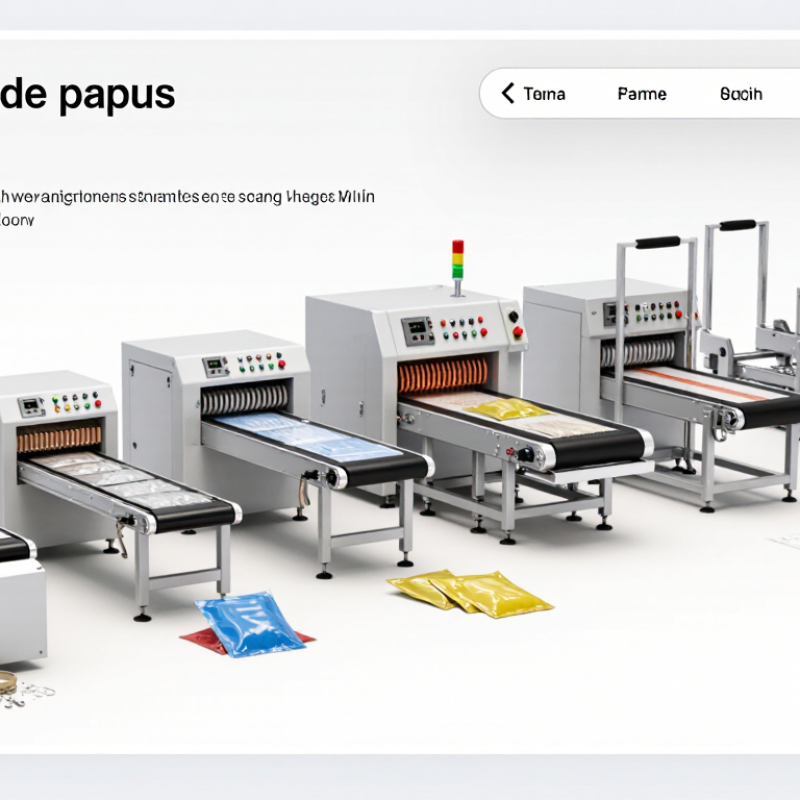
What Is a Hot Sealing Machine and How Does It Work?
A hot sealing machine closes thermoplastic packaging with controlled heat and pressure. It softens a sealable inner layer, presses the surfaces together, and allows the joint to cool. This process creates an airtight or moisture-resistant closure without glue. Common formats include pouches, films, laminated bags, and small trays. The machine may use heated jaws, an impulse bar, or a continuous band. Each design suits different packaging speeds and materials.
In practical use, operators adjust temperature, dwell time, and pressure as a set. Too much heat can wrinkle film or weaken the package. Too little heat leaves channels that may leak during transport. A clean sealing surface matters more than many buyers expect. Dust, product residue, and uneven film tension can interrupt the seal. I recommend testing filled samples, not empty film alone. Watch the seal after cooling. A warm seal can look secure while still peeling easily.
For global buyers, machine selection should match material structure, bag width, output, and available power. Ask for measurable sealing width, temperature range, cycle time, and safety controls. Request sample tests and inspect seals by hand with a simple leak check. Specifications can help, but they do not replace production trials. This is where mistakes happen. A machine that performs well in a sample room may need slower settings on a busy line. Documenting settings improves consistency, although real packaging conditions still require judgment.
Key Types of Hot Sealing Machines for Different Packaging Needs
Key Types of Hot Sealing Machines for Different Packaging Needs
Hot sealing equipment must match the film, bag format, and production speed. Impulse sealers suit small batches, repair stations, and mixed pouch sizes. They heat only during jaw contact, reducing energy use between cycles. Constant-heat sealers work better with thicker laminates, coated papers, and heat-sensitive structures. Temperature stability matters more than impressive maximum heat.
Continuous band sealers support higher output and repeatable seals. Vertical models handle liquid or powder-filled bags, while horizontal models suit snacks, hardware, and flat pouches. Vacuum chamber sealers remove air before sealing, helping protect products from moisture and oxidation. Their cycle speed is slower. That trade-off is often overlooked.
Grand View Research valued the global flexible packaging market at about USD 283.7 billion in 2023 and forecasts roughly 4.5% annual growth through 2030. Smithers’ 2024 flexible-packaging forecast also links growth with downgauging and recyclable structures. These trends demand wider temperature control and careful pressure adjustment. PMMI industry research continues to identify automation, labor savings, and material flexibility as major machinery priorities.
Buyers should verify seal strength using their actual film, not a supplier’s sample alone. A machine can pass a short trial and fail after cold storage or transport vibration. That is an uncomfortable lesson, but a useful one. Check voltage, spare-part access, sealing-jaw width, and operator training before purchase. Forecasts guide decisions, but packaging trials decide reliability.
How to Compare the 7 Best Hot Sealing Machines
Comparing the seven best hot sealing machines requires more than checking advertised sealing width. Start with the material, bag thickness, and daily workload. An impulse sealer suits occasional packaging and thin plastic films. A constant-heat model handles coated materials more evenly. Band sealers work better for continuous production. Vacuum sealers add air removal, but they need different operating skills.
Run the same test across all seven machines. Use identical bags, fill weights, and sealing times. Measure seal width, cooling time, leakage, and power use. A strong seal should look continuous, without wrinkles, scorching, or weak corners. Check temperature stability with a surface thermometer when possible. Small variations matter. I once judged a machine too quickly because its first seal looked clean. Repeated seals later showed uneven pressure near the edge.
Operator safety also affects the comparison. Examine insulation, cutting surfaces, emergency controls, and heat exposure. A compact machine may save bench space but slow larger work. A heavier unit can feel stable, though it may be inconvenient to move. Review replacement heaters, sealing strips, and service guidance before buying. Spare parts are part of the real cost. Noise matters in a shared workspace. So does training time. Cheap controls can become expensive when new operators create failed seals. Test several bag sizes, not just the easiest one. Real packaging is rarely perfect.
Essential Features to Check Before Buying
7 Best Hot Sealing Machines for Global Buyers
Essential Features to Check Before Buying
Packaging performance begins with the seal, not the machine’s advertised speed. Smithers’ 2024 flexible packaging market report forecasts the sector will exceed 300 billion dollars by 2028. That growth increases pressure on buyers to select equipment that handles changing films consistently. In plant trials, stable temperature, pressure, and dwell time usually matter more than impressive cycle claims. Ask for documented test results using your actual pouch material.
Check the sealing jaw width and adjustment range carefully. A narrow jaw may suit small sachets, but wider formats need even pressure across the complete seal. Digital temperature control should stay within a tight tolerance, while alarms should identify overheating or weak contact. Machines supporting data logging can help operators trace batch variations. This supports quality reviews and follows the practical direction of modern packaging automation described in PMMI industry reports.
Material compatibility also deserves attention. Polyethylene, laminated films, and coated papers can require different heat profiles. ASTM F88 seal-strength testing and ASTM F2029 heat-sealability testing provide useful evaluation methods. However, a laboratory result does not guarantee production success. Dust, wrinkles, and uneven filling still create failures. I have seen buyers overlook cleaning access and spare heating elements. That mistake becomes expensive. Check guarding, emergency stops, power compatibility, and local technical support before ordering. A machine that seals perfectly for one week may disappoint when operators cannot maintain it.
7 Best Hot Sealing Machines for Global Buyers - Essential Features to Check Before Buying
The comparison below summarizes common commercial machine configurations and practical buying criteria. Actual output depends on bag material, product temperature, operator skill, and packaging conditions.
| Machine Type | Typical Seal Length | Seal Width | Operating Speed | Temperature Range | Suitable Materials | Typical Power | Best Application | Essential Features to Check |
| Impulse Hand Sealer | 200–400 mm | 2–5 mm | About 10–25 bags/min, depending on bag size | Typically up to 250°C | PE, PP, laminated films, coated aluminum foil | 300–900 W | Small workshops, retail products, samples, and low-volume packaging | Adjustable sealing time Replaceable heating wire Non-stick sealing tape Overheat protection |
| Foot-Operated Impulse Sealer | 300–600 mm | 2–5 mm | About 15–35 bags/min | Typically up to 250°C | PE, PP, multilayer laminates, plastic-lined bags | 500–1,500 W | Medium-volume operations requiring both hands to position large bags | Hands-free operation Adjustable worktable Stable foot pedal Easy jaw replacement |
| Continuous Band Sealer | Continuous sealing | 6–15 mm | 8–18 m/min | Usually 0–300°C | Thermoplastic films, laminated pouches, foil-lined bags | 400–1,000 W | High-throughput sealing of regularly sized bags | Conveyor height adjustment Date or batch coder option Temperature control Speed adjustment |
| Vertical Continuous Band Sealer | Continuous sealing | 6–15 mm | 8–18 m/min | Usually 0–300°C | PE, PP, laminated films, moisture-sensitive products | 500–1,200 W | Liquid, granular, or heavy products that must remain upright | Adjustable sealing head Vertical conveyor Product support shelf Moisture-resistant controls |
| Vacuum Chamber Sealer | 250–500 mm chamber width | 3–8 mm | 2–6 cycles/min | Typically up to 200°C | Vacuum pouches, barrier laminates, nylon/PE bags | 600–2,000 W | Food, medical supplies, components, and products requiring air removal | Adjustable vacuum time Gas-flush option Double sealing bar Oil or dry pump specification |
| Hot Bar Sealer | 200–800 mm | 3–12 mm | About 5–20 cycles/min | Approximately 50–300°C | Thick laminates, coated films, aluminum foil laminates | 800–2,500 W | Heavy-duty bags and materials needing strong, wide seals | Heated upper and lower bars Pressure adjustment Dwell-time control Uniform jaw alignment |
| Ultrasonic Tube or Spout Sealer | 10–80 mm tube diameter | According to tube design | 10–30 units/min | Heat generated at the sealing interface | Thermoplastic tubes, laminated tubes, plastic spouts | 600–1,500 W | Cosmetics, personal care, pharmaceutical, and chemical tubes | Tooling matched to tube size Controlled sealing pressure Cycle monitoring Easy-clean contact parts |
Buyer checklist: Confirm the local voltage and frequency, required certification, spare-part availability, sealing temperature stability, compatible film thickness, operator safety features, after-sales support, and the machine’s actual test results using your own packaging material.
How to Choose the Right Machine for Global Use
7 Best Hot Sealing Machines for Global Buyers
Choosing a hot sealing machine for global use requires more than checking sealing speed. The best option depends on packaging material, production volume, seal width, and operator skill. Common choices include impulse sealers, constant-heat sealers, continuous band sealers, vacuum sealers, tray sealers, tube sealers, and automated heat-sealing lines.
Start with the material. Polyethylene may seal at a different temperature than laminated film. A machine with adjustable heat, pressure, and dwell time offers better control. For small batches, an impulse sealer can save space and energy. High-volume facilities may need a continuous band model with date coding and conveyor support. Vacuum equipment requires careful testing because excessive suction can wrinkle thin pouches.
Voltage is easy to overlook. Check the machine’s input range, plug type, frequency, and available replacement parts before ordering. A 220-volt unit may not suit every facility. Ask for a test seal using your actual packaging, not a sample film chosen by the seller. Inspect the seal after cooling, bending, and moderate pulling. Keep records of temperature settings and seal strength.
Global buyers should also review safety documentation, service instructions, and operator training requirements. Reliable suppliers should explain maintenance intervals and provide clear technical support. Some machines look efficient but create uneven seals during long shifts. That matters. My own preference is to compare total operating cost over three years, not only the purchase price. A cheaper machine can become expensive when heating elements, controllers, or spare parts are difficult to source.
7 Best Hot Sealing Machines for Global Buyers: How to Choose the Right Machine for Global Use
The chart compares representative throughput levels for seven commonly used hot sealing machine types. Values show the midpoint of typical market operating ranges and are intended for early-stage equipment selection.
For global purchasing, consider bag material, sealing width, voltage compatibility, temperature control, operator skill, maintenance access, and local service availability. Higher throughput is not always better if the machine cannot handle the required film thickness or package format.
 English
 Česká republika
 Deutsch
 Dutch
 Polska