2026 Best Transformer Winding Machine Manufacturers
Choosing among the 2026 best transformer winding machine manufacturers takes more than comparing catalog prices. Transformer Winding equipment affects coil accuracy, production speed, insulation quality, and the consistency of finished units. Small details matter. A steady wire-tension system, precise traverse control, and reliable turn counting can reduce defects during daily production. The right setup depends on the transformer design, conductor type, coil dimensions, and expected output.
This guide introduces manufacturers and the capabilities buyers should examine before requesting a quotation. Look for clear specifications on winding ranges, machine configuration, control systems, and compatible wire sizes. Ask how the equipment handles rectangular or round conductors, and whether its fixtures suit your core and bobbin designs. A supplier’s installation guidance, operator training, spare-parts support, and response time also affect long-term value. Request a live demonstration or sample coil when practical. A brochure alone may not show how a machine behaves under real production conditions.
There is no single best manufacturer for every factory. A compact workshop may value flexible tooling, while a high-volume plant may prioritize automation and repeatability. Compare documented capabilities with your actual process, and confirm details directly with the manufacturer. Specifications can look impressive on paper. Yet small differences in setup and service can matter more than headline speed. This overview offers a practical starting point, not a substitute for testing equipment against your production needs.
What Transformer Winding Machines Do and How They Work
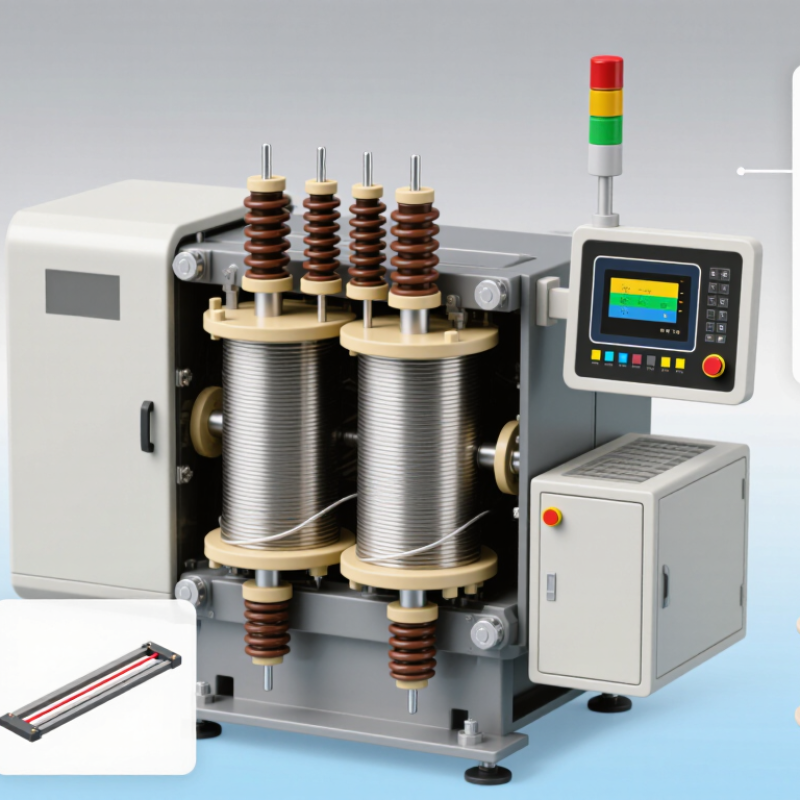
A transformer winding machine shapes copper or aluminum conductor into coils used inside a transformer. It rotates a bobbin, former, or core while guiding the conductor across its surface. The winding pattern, number of turns, and spacing affect how the finished coil performs. Small details matter.
During operation, a drive system controls rotation while a traverse guide moves the wire from side to side. Tension controls help prevent loose turns or damaged insulation. Sensors or programmed controls can track turn counts and machine speed. Some machines also pause while insulation paper is inserted between layers. The operator sets parameters for the coil design, then checks the first turns before continuing. That check is easy to rush.
Different jobs call for different setups. A fine wire coil may need gentle tension, while a larger conductor requires firm guidance and careful handling. Machine accuracy helps, but it does not replace inspection. Operators should watch for uneven winding, crossed turns, and insulation shifts, especially near the coil edges. Even good settings may need adjustment when materials vary slightly. That part takes judgment, and sometimes the first attempt is not quite right.
Transformer Winding Machines: Copper and Aluminum Conductor Resistivity
Transformer winding machines guide and tension conductor as it is wound into coils. At 20°C, copper and aluminum have approximate electrical resistivities of 16.8 and 28.2 nΩ·m, respectively. Conductor choice affects winding design and electrical resistance; this chart compares material properties, not machine performance.
Main Machine Types and Their Industrial Applications
Transformer winding machines differ according to conductor type, coil geometry, and production volume. Automatic wire-winding machines guide copper or aluminum wire onto a mandrel with controlled tension and turn counting. They are commonly used for distribution transformers, control transformers, and higher-voltage coils that require orderly layers. Servo-guided traverses help maintain spacing, while adjustable tension reduces loose turns and conductor damage. Small details matter.
Foil winding machines handle wide copper or aluminum strip, often alongside insulation paper. Their broad, even layers suit low-voltage, high-current windings in distribution transformers and industrial units. Operators may adjust strip tension, edge alignment, and insulation feed for each design. A small misalignment can create uneven edges, so setup checks remain important.
Toroidal winding machines wrap wire around ring-shaped cores used in current transformers, sensors, and compact power supplies. Vertical winding machines support larger coils by holding heavy forms upright, while horizontal machines can suit long or bulky windings used in power equipment. The best choice depends on the coil, core, and required output—not simply the machine’s advertised speed. In practice, automation does not remove every judgment call; insulation condition and winding quality still need careful inspection.
Criteria for Evaluating Transformer Winding Machine Manufacturers
A sound evaluation begins with the machine’s performance on your actual core and conductor sizes, not its advertised maximum speed. Ask manufacturers to wind a representative coil and measure turn placement, layer edges, insulation handling, and tension during acceleration. Numbers need context. Require test conditions, tolerances, and repeatability results in writing. The International Energy Agency’s Electricity Grids and Secure Energy Transitions (2023) estimates annual grid investment must rise from about USD 300 billion to more than USD 600 billion by 2030. That expanding workload makes dependable production equipment important, but it does not make every high-speed machine suitable.
Assess how easily operators can set, save, and verify winding recipes across shifts. Check whether the controls record key settings and flag tension or wire-break issues. Not just speed. Ask for references from factories winding similar transformer types, plus documented acceptance tests and realistic changeover times. Inspect guarding, emergency stops, and access for routine maintenance on the shop floor. Then review spare-parts availability, technician response, training, and warranty limits. A polished demonstration can hide awkward setup steps. I would also check performance after repeated runs; one clean sample coil proves little. Compare the full operating record, not only the first successful winding.
Notable Transformer Winding Machine Manufacturers in 2026
Notable transformer winding machine manufacturers stand out through repeatable winding quality, practical engineering support, and clear machine specifications. Their equipment may handle copper or aluminum conductors, foil coils, and different transformer designs. Buyers should check usable winding dimensions, load capacity, wire tension control, and traverse accuracy against their actual production needs. Small details matter. A poorly guided conductor can create uneven layers, waste material, or require extra manual correction.
Experienced manufacturers typically explain how machines manage tension, insulation placement, coil alignment, and winding speed. Ask for sample coil results, operating videos, and references from applications similar to yours. A polished brochure is not enough. Maintenance access matters, too: operators should be able to reach adjustment points without dismantling half the machine. Controls should show useful production data, while safety features and training should be described plainly.
In 2026, the strongest supplier is not automatically the one offering the most automation. A simpler machine may suit a smaller workshop; a high-volume plant may need programmable recipes and process records. Compare installation, spare-part availability, service response, and operator training alongside the purchase price. These points are easy to overlook. And specifications can still leave questions. Request clarification in writing, then confirm performance during acceptance testing.
2026 Best Transformer Winding Machine Manufacturers – Notable Capability Guide
Compare manufacturers by the machine capabilities they offer. The categories below describe common transformer-winding equipment and applications; available configurations vary by supplier and model.
| Machine Category | Winding Process | Typical Conductor | Common Transformer Application | Useful Capability to Evaluate | Purchasing Consideration |
|---|---|---|---|---|---|
| HV wire winding machine | Winds insulated wire in controlled turns and layers, often with programmed traverse. | Round or rectangular insulated copper or aluminum wire | High-voltage windings for distribution and power transformers | Programmable turn count, layer positioning, and adjustable wire tension | Check compatibility with the wire dimensions, coil geometry, and insulation requirements used in production. |
| LV foil winding machine | Winds conductive foil with insulation material between layers when required by the design. | Copper or aluminum foil | Low-voltage windings, including many dry-type and distribution transformer designs | Foil guiding, tension control, edge alignment, and insulation-paper handling | Confirm the machine’s allowable foil width and thickness against the winding drawings. |
| Automatic foil winding machine | Automates winding operations such as foil feeding, insulation feeding, and programmed stopping, depending on configuration. | Copper or aluminum foil with insulating materials as specified | Repeat production of foil-wound coils | Automation of material feeding, process settings, and winding sequence | Ask which operations are included in the standard configuration and which require optional equipment. |
| Multi-wire winding machine | Winds multiple parallel wires together or in coordinated paths, subject to the machine design. | Multiple strands of insulated copper or aluminum wire | Coils designed with parallel conductors | Independent or coordinated tensioning and consistent wire placement | Verify the supported number and dimensions of conductors, along with the required coil layout. |
| Toroidal winding machine | Feeds conductor through the center of a ring-shaped core and winds around the core. | Insulated wire or strip, depending on the model | Toroidal transformers and other ring-core magnetic components | Core-size range, winding control, and access for loading and unloading | Match the machine to the core’s inner diameter, outer diameter, and height. |
| Manual or semi-automatic winding machine | Uses operator-guided setup or handling alongside powered rotation and, where available, controlled winding functions. | Wire or foil, according to the machine configuration | Prototypes, repair work, short runs, and varied coil designs | Ease of setup, operator controls, and adaptability to different winding jobs | Consider operator skill requirements, changeover time, and the level of process repeatability needed. |
Selection tip: Request a demonstration or sample winding using representative conductors, insulation, and coil dimensions. Confirm safety features, control functions, tooling, training, and after-sales support before purchase.
How to Compare Manufacturers and Select a Suitable Supplier
2026 Best Transformer Winding Machine Manufacturers
The IEA’s Electricity 2024 report projects global electricity demand will grow by an average of 3.4% annually from 2024 to 2026. That outlook makes dependable transformer production important, but it does not identify the right winding machine for every factory. Compare manufacturers against your actual coil designs, wire diameters, insulation requirements, and daily output. Ask for documented winding accuracy, tension control, changeover time, and reject rates. A polished demonstration helps. It is not production.
Request a trial using your own conductor and a representative bobbin. Check whether operators can repeat the setup after a shift change, and inspect finished coils for loose turns, crossed wires, or damaged insulation. Ask for maintenance intervals, spare-part lead times, training details, and remote-support response times in writing. Review references from plants with similar products and production volumes. A low quote can still be expensive. Compare total operating costs, not just purchase price. I would also question impressive cycle-time claims unless the supplier explains the test conditions; small differences in coil geometry can change results. No scorecard replaces a trial run, but a consistent evaluation makes supplier comparisons fairer.
English
Česká republika
Deutsch
Dutch
Polska