2026 Best Hair Restoration Options for Global Buyers
Hair Restoration is no longer a single-procedure decision. Global buyers can compare follicular unit extraction, follicular unit transplantation, medication, platelet-rich plasma, and emerging regenerative approaches. Each option carries different evidence, costs, recovery demands, and suitability.
The International Society of Hair Restoration Surgery’s 2022 Practice Census recorded 703,183 surgical hair restoration patients worldwide in 2021. Its findings also showed that men represented most surgical patients, while female demand continued to grow. These figures indicate strong international interest, but they do not prove that every clinic delivers equal results. Patient selection matters.
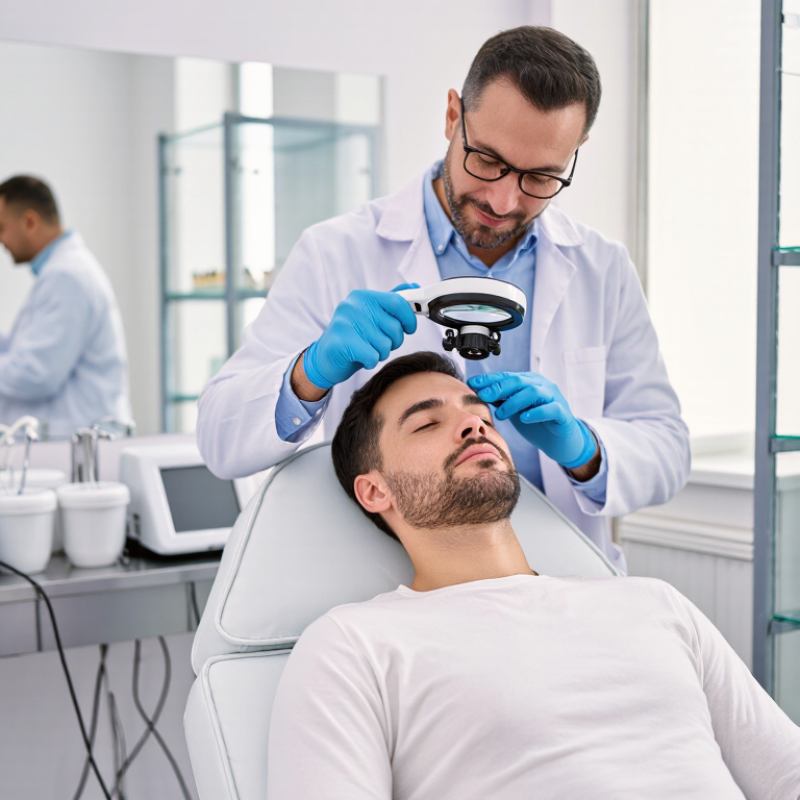
Diagnosis comes first. The American Academy of Dermatology advises identifying the cause of hair loss before treatment. Pattern loss, scarring alopecia, hormonal changes, and nutritional problems require different medical responses. A reputable provider should examine the scalp, review medical history, explain donor-area limits, and discuss realistic density. Ask for untreated, long-term patient photographs.
Look beyond advertisements. Verify the physician’s license, specialist training, facility standards, informed-consent process, and postoperative support. Confirm who performs each surgical step. Clarify medication risks, revision policies, travel timing, and emergency contacts. Local regulation may differ sharply between countries.
There is no universal winner.
This guide compares the leading 2026 options for international buyers, using clinical evidence, professional guidance, and practical travel considerations. Some market forecasts sound impressive, yet commercial reports may rely on different definitions and datasets. That limitation deserves attention. A cheaper package can become expensive after flights, follow-up visits, or corrective treatment. Careful research is not a guarantee, but it reduces avoidable surprises.
What Hair Restoration Is and Who May Benefit
Hair restoration describes a group of medical and cosmetic approaches for visible hair loss. These may include diagnosis, medication, scalp treatments, transplant surgery, or carefully selected non-surgical coverage. The right option depends on the cause, not only the amount of hair missing. Hereditary pattern loss remains common. The American Academy of Dermatology reports that hereditary hair loss affects about 80 million people in the United States.
Who may benefit?
Adults with stable pattern hair loss often consider transplantation when donor hair is dense enough. A transplant can move follicles from the back or sides toward thinning areas. It cannot create unlimited density. People with sudden shedding, scalp inflammation, scarring, or unexplained patches need medical assessment first. Treating the underlying condition may matter more than cosmetic restoration.
Demand is substantial.
The International Society of Hair Restoration Surgery’s 2022 Practice Census recorded 703,183 hair restoration patients worldwide in 2021. That figure includes surgical and non-surgical care, so it does not predict individual results. A qualified dermatologist or hair restoration surgeon should review medical history, medications, scalp photographs, and hair-loss progression. Ask about credentials, realistic density, recovery, and possible complications. Results vary. Even experienced clinicians cannot promise a permanent, perfectly natural outcome. That uncertainty deserves honest discussion.
How to Compare Surgical and Nonsurgical Restoration Options
For global buyers, hair restoration should begin with diagnosis, not a discount. The American Academy of Dermatology estimates that hereditary hair loss affects about 80 million people in the United States. Yet shedding may also reflect thyroid disease, iron deficiency, medication, or scalp inflammation. A qualified dermatologist can examine density, family history, and scalp health before recommending treatment.
Surgical restoration moves follicles from a donor area to thinning zones. Follicular unit excision leaves tiny scattered marks, while strip surgery creates a linear scar. The 2023 ISHRS Practice Census reported that men represented 87.3% of surgical patients worldwide in 2022. Surgery may create durable coverage, but donor hair remains limited. Results also depend on planning, surgical skill, healing, and realistic density goals. Surgery is not magic.
Nonsurgical options usually require patience and maintenance. Topical or oral medicines may slow loss or improve existing hair, but they can cause side effects and need medical screening. Low-level light therapy and platelet-rich plasma may help selected patients, though evidence and protocols vary. Compare published evidence, practitioner licensing, product regulation, follow-up access, and the full cost of travel. A low quote can hide medication, revision, translation, or emergency expenses. This comparison is imperfect; I would rather see a slower, documented plan than a dramatic promise.
2026 Best Hair Restoration Options for Global Buyers
How to Compare Surgical and Nonsurgical Restoration Options
Surgical restoration usually requires a longer recovery period but can provide permanent transplanted hair when suitable donor hair is available. Nonsurgical treatments generally involve less downtime, but results vary and ongoing treatment or periodic maintenance is commonly required. The time ranges shown are typical clinical expectations; individual outcomes depend on diagnosis, treatment plan, health, and adherence.
Key Factors in Choosing a Global Hair Restoration Provider
Choosing a global hair restoration provider requires more than comparing prices or browsing impressive photographs. A qualified surgeon should explain diagnosis, donor-area limits, treatment methods, risks, and realistic density. Ask where the procedure occurs and who performs each stage. Local licensing and professional registration matter, especially when treatment crosses borders. Clear medical records, written consent, and emergency procedures also show responsible practice.
Travel planning deserves equal attention. A reliable provider should explain consultation timing, recovery restrictions, medication guidance, and follow-up after returning home. Ask whether secure online reviews are verified and whether results include consistent lighting and comparable hair lengths. A polished website is not proof. I would also question dramatic guarantees, because hair growth varies with age, health, genetics, and adherence to aftercare.
Tips: Request a video consultation with the operating clinician. Compare two or three treatment plans. Confirm the total cost in writing, including travel-related medical appointments. Check how complications are managed locally and internationally. Keep copies of prescriptions and clinical notes. Small details matter.
Patients should understand the difference between follicular extraction, strip surgery, and non-surgical support. The best option depends on scalp condition, available donor hair, expectations, and long-term planning. Some providers may recommend waiting, which can feel disappointing but may be medically sensible. Seek an independent medical opinion when the advice feels rushed, vague, or unusually certain.
What to Expect During Treatment, Recovery, and Follow-Up
Hair restoration planning should include treatment, recovery, and long-term follow-up. The 2022 ISHRS Practice Census reported 789,778 surgical hair restoration patients worldwide in 2021. This growth increases choice, but also increases the need for careful clinical screening. A qualified physician should assess hair loss pattern, donor density, scalp health, and medical history. Remote consultations help, but they cannot replace an in-person examination.
During treatment, discomfort is usually manageable with local anesthesia. Swelling may appear around the forehead after several days. Small crusts can remain for about one to two weeks. Most patients resume light activities within several days, although healing differs. Transplanted hairs often shed temporarily. Visible growth commonly develops between three and six months, while fuller results may require 12 months or longer. The ISHRS report also highlights that treatment demand varies by age, gender, and region, so international buyers should avoid fixed promises.
Tips: Request a written recovery plan. Confirm who performs each clinical step. Ask about emergency contact procedures. Keep travel flexible for early reviews. Do not judge results too soon. Follow-up photographs should use consistent lighting and angles. A common planning error is treating surgery as a single event. Ongoing hair-loss management may still matter. Expectations can be imperfect, even with skilled care. Check local licensing rules before booking treatment abroad.
| Treatment option | Best suited for | Typical treatment schedule | What happens during treatment | Expected recovery | When results may appear | Follow-up needs | Important considerations for international patients |
|---|---|---|---|---|---|---|---|
| Follicular Unit Extraction (FUE) | People with sufficient donor hair who want individual follicular units harvested with no linear scalp scar. | Usually one procedure lasting approximately 4–8 hours; larger cases may require two days. | Local anesthesia is used. Follicular units are removed individually and placed into recipient sites. | Scabbing, redness, swelling, and tenderness commonly improve within 7–14 days. Strenuous activity is often limited for about 1–2 weeks. | Temporary shedding can occur during the first few months. New growth commonly becomes noticeable around 4–6 months, with fuller results at 9–12 months. | Early wound review is recommended, followed by progress checks at approximately 3, 6, and 12 months. | Confirm who performs extraction and implantation, the emergency contact process, aftercare instructions, and access to a qualified clinician after returning home. |
| Follicular Unit Transplantation (FUT) | People needing a larger graft yield or those whose donor area may be better preserved by strip harvesting. | Often completed in one session of approximately 4–8 hours, depending on graft number. | A narrow strip of donor scalp is removed under local anesthesia, divided into follicular units, and transplanted. | The incision may feel tight or sore for several days. Sutures or staples usually require removal or review after about 7–14 days. A linear scar remains. | Early growth is usually assessed from 4–6 months, with maturation commonly continuing through 12–18 months. | A wound check and suture or staple removal are important, followed by longer-term photographic monitoring. | Plan sufficient time for incision review before flying. Ask about scar management, restrictions, and how complications will be handled internationally. |
| Implanter-assisted follicular transplantation | Selected patients seeking a placement technique that may help control graft angle and spacing; suitability depends on the surgeon’s assessment. | Generally one session, although extensive areas may require staged procedures. | Follicular units are harvested, loaded into an implanter device, and inserted directly into prepared or created recipient sites. | Recovery is broadly similar to other transplant techniques: crusting and redness may last about 7–14 days, with activity restrictions set by the clinician. | Growth commonly follows the transplant timeline: early changes around 4–6 months and maturation over 9–18 months. | Use the same structured follow-up schedule as other transplant procedures and document progress with consistent photographs. | The device does not replace surgical expertise. Verify the clinician’s credentials, graft-count method, and whether the procedure is performed by licensed medical staff. |
| Prescription medical therapy | People with pattern hair loss who want to slow progression, preserve existing hair, or support transplant results. | Usually taken or applied continuously, with a medical review after approximately 3–6 months and periodically thereafter. | Common medical approaches include topical minoxidil and, for eligible adults, oral hair-loss medicines prescribed after reviewing health history and risks. | There is no surgical downtime. Temporary increased shedding, scalp irritation, dizziness, or other medicine-specific effects may occur. | Changes may take 3–6 months, and benefits generally require continued use. Stopping treatment can allow hair loss to resume. | Periodic assessment is needed to review response, side effects, blood pressure or other monitoring requirements, and ongoing suitability. | Obtain a prescription and written treatment plan. Medication availability and regulations differ by country; do not start or continue treatment without appropriate medical advice. |
| Platelet-rich plasma (PRP) as an adjunct | Some people with early or moderate pattern hair loss, or patients using it as a supplementary treatment; evidence and response vary. | Common protocols use multiple sessions several weeks apart, followed by maintenance visits; schedules are clinician-dependent. | A small blood sample is processed and concentrated platelets are injected into selected scalp areas. | Mild scalp soreness, swelling, or bruising usually settles within 1–3 days. Normal activities often resume quickly. | Any improvement is gradual and is typically assessed after several months. It should not be presented as a guaranteed replacement for transplantation. | Response should be measured with standardized photographs and clinical review rather than relying only on short-term appearance. | Ask about sterile blood-processing procedures, contraindications, anticoagulant use, and the evidence supporting the proposed protocol. |
| Low-level light therapy | Some adults with pattern hair loss who prefer a non-invasive option or an adjunct to other treatment. | Usually requires repeated use several times per week for many months, followed by continued maintenance. | The scalp is exposed to low-intensity red or near-infrared light using a medically designed device. | No incisions or injection-related downtime are expected. Temporary warmth or scalp irritation is possible. | Potential benefits are gradual and are generally evaluated after 3–6 months or longer. Results vary. | Regular progress reviews help determine whether continued use is worthwhile and whether another diagnosis should be investigated. | Check device safety, regulatory status in the destination country, contraindications, return or warranty terms, and realistic evidence-based expectations. |
| Planning note: Treatment suitability, graft numbers, recovery time, and outcomes vary with diagnosis, donor density, hair characteristics, general health, surgical technique, and aftercare. A qualified medical professional should confirm the diagnosis and provide an individualized plan. Seek urgent medical care for severe pain, spreading redness, fever, heavy bleeding, breathing difficulty, or sudden vision changes after treatment. | |||||||
How to Evaluate Safety, Cost, and Long-Term Results
2026 Best Hair Restoration Options for Global Buyers
Safety should lead every price comparison. The ISHRS 2022 Practice Census estimated 3.44 million surgical hair restoration patients worldwide in 2021. Growing demand does not guarantee consistent quality. Ask who performs each surgical step, not only who owns the clinic. Verify medical registration, documented training, emergency protocols, sterile facilities, and realistic candidacy assessments. A proper consultation should examine scalp health, family history, donor density, medication use, and future hair loss. Cosmetic promises should never replace diagnosis.
Cost requires a complete written quotation. Include consultation, laboratory tests, anesthesia, medication, aftercare, travel, and possible revision procedures. ISHRS reporting shows that procedure prices vary widely by region and technique, so the cheapest offer may exclude important care. Long-term results deserve equal attention. Peer-reviewed clinical literature generally supports transplanted donor follicles as durable, but existing native hair may continue thinning. Ask for standardized before-and-after photographs, follow-up periods, and complication rates. Results need time.
Be cautious with guarantees. Even careful planning cannot control healing, scarring, or future loss. Some clinics provide impressive images but limited outcome data. That gap matters. A second medical opinion may feel slow, yet it can reveal unrealistic graft estimates or unsafe donor planning. Cost is visible. Risk is not.
English
Česká republika
Deutsch
Dutch
Polska